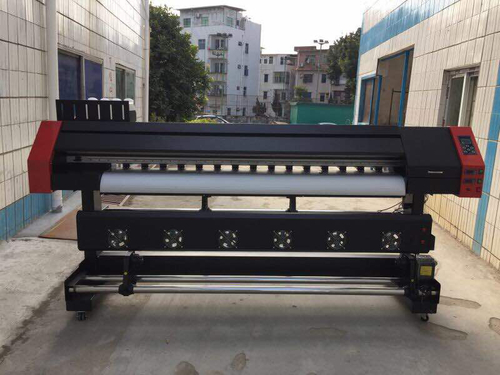

Eco solvent printing has become a popular choice for businesses looking to enter the digital printing industry. With its reputation for producing vibrant, durable prints while being more environmentally friendly than traditional solvent methods, many entrepreneurs are considering whether this technology offers a sustainable and lucrative business opportunity. In this article, we’ll explore the profitability of eco solvent printing, the key factors that influence margins, and how to maximize your return on investment.
Before diving into the details, it’s helpful to understand how eco solvent printing compares to other digital printing processes. For those interested in broader trends, the article on trends in wood-grain and natural textures on print offers insight into evolving customer preferences and how print businesses can stay competitive.
Understanding Eco Solvent Printing and Its Market Potential
Eco solvent printers use specially formulated inks that emit fewer volatile organic compounds (VOCs) than traditional solvent inks. This makes them suitable for indoor and outdoor applications, including banners, vehicle wraps, posters, and wall graphics. The demand for high-quality, weather-resistant, and eco-friendly prints is rising, especially as businesses and consumers become more environmentally conscious.
Key advantages of eco solvent printing include:
- Lower environmental impact compared to standard solvent printing
- Ability to print on a wide range of media, including vinyl, canvas, and paper
- High durability and resistance to fading, scratching, and water
- Vibrant color reproduction suitable for both indoor and outdoor signage
These benefits have expanded the market for eco solvent print products, making them attractive to retail stores, event organizers, advertising agencies, and even small businesses seeking branded materials.
Profit Margins in Eco Solvent Printing
A central question for any entrepreneur is: is eco solvent printing profitable enough to justify the investment? The answer depends on several factors, including startup costs, ongoing expenses, pricing strategies, and local market demand.
Let’s break down the primary cost components:
- Equipment investment: Entry-level eco solvent printers can range from $4,000 to $15,000, with higher-end models costing more. Consider additional expenses for computers, RIP software, and finishing equipment.
- Consumables: Ink, media (vinyl, banners, canvas), and maintenance supplies are recurring costs. Eco solvent inks are typically more affordable than UV or latex inks, and their efficiency can help control expenses.
- Labor and overhead: Staffing, rent, utilities, and marketing all impact your bottom line.
On the revenue side, print businesses often achieve gross margins of 40–60% on eco solvent jobs, depending on volume and complexity. Custom banners, vehicle wraps, and specialty graphics command higher prices, while commodity products like posters may have tighter margins.
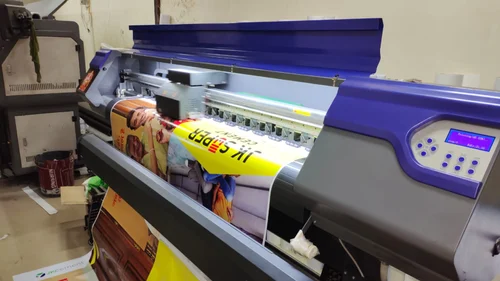
To maximize profitability, focus on value-added services, efficient workflows, and targeting niche markets where competition is lower and customers are willing to pay a premium for quality and eco-friendliness.
Key Factors That Influence Profitability
Several variables play a role in determining whether your eco solvent printing venture will be financially rewarding:
- Local demand: Urban areas with many businesses, events, and advertising needs offer more opportunities. Research your region to identify gaps in service or underserved niches.
- Product diversification: Offering a range of products—such as wall decals, window graphics, and custom wraps—can help smooth out seasonal fluctuations and attract a broader client base.
- Operational efficiency: Streamlined production, regular equipment maintenance, and effective scheduling reduce waste and downtime. For practical advice, see these maintenance tips for smoother printer operations and performance.
- Marketing and customer service: Building strong relationships and a reputation for reliability can lead to repeat business and referrals.
Another consideration is how eco solvent printing compares to other environmentally responsible print methods. For those interested in alternatives, the guide to solvent-free printing processes explores additional options for sustainable print production.
Challenges and Risks to Consider
While the potential for profit is strong, there are challenges to be aware of:
- Initial capital requirements: Equipment and setup costs can be significant, especially for newcomers.
- Competition: The print industry is competitive, and price wars can erode margins if you compete solely on cost.
- Technical know-how: Mastery of color management, file preparation, and printer maintenance is essential for consistent quality and minimal downtime.
- Changing technology: Staying updated with the latest print technologies and media options is necessary to remain relevant.
Mitigating these risks involves thorough market research, investing in staff training, and keeping an eye on industry trends. For example, understanding how to achieve photographic quality on corrugated flutes can help you offer premium services that set your business apart.
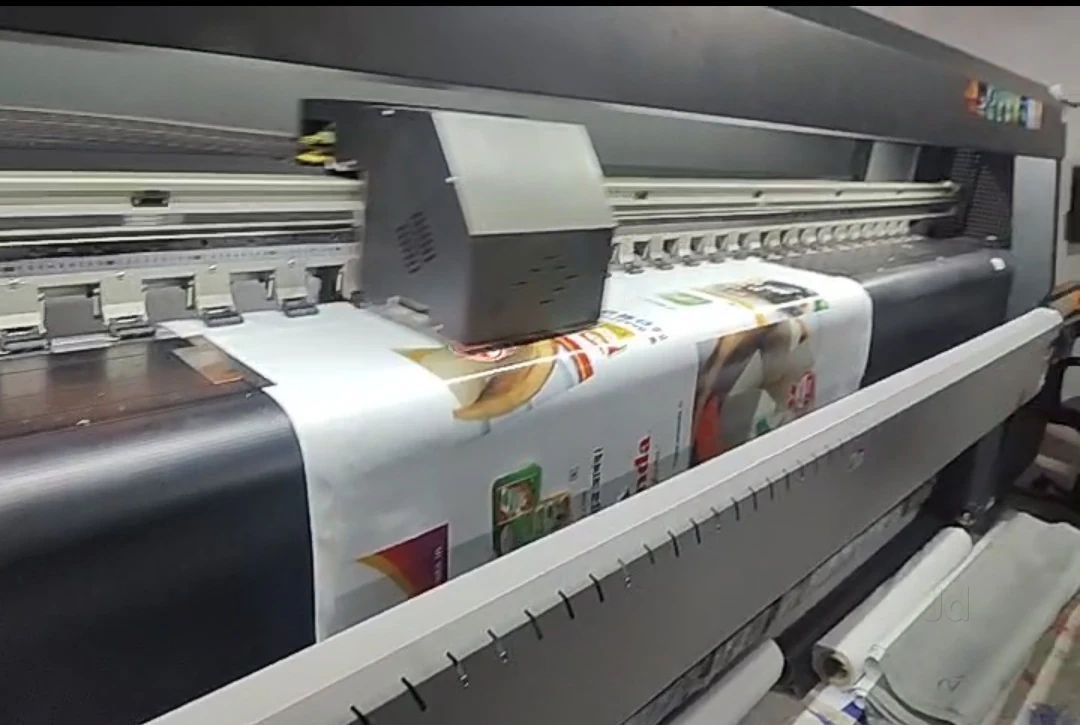
By proactively addressing these challenges, you can position your business for long-term success in the eco solvent printing sector.
Maximizing Returns in Eco Solvent Printing
To ensure your business thrives, consider these practical strategies:
- Specialize in high-value niches: Focus on products or services that require expertise, such as vehicle wraps or custom wall graphics, where customers are willing to pay more for quality and durability.
- Leverage eco-friendly branding: Promote the environmental benefits of your services to attract clients who prioritize sustainability.
- Invest in training: Stay up to date with the latest print techniques, color management, and finishing processes to deliver superior results.
- Optimize workflow: Use software and automation to streamline order processing, proofing, and production scheduling.
- Build partnerships: Collaborate with local designers, marketing agencies, and event planners to expand your reach and offer bundled services.
Staying informed about new developments in print technology and customer preferences is also key. For example, exploring the what is sublimation printing for specialty packaging can help you identify additional revenue streams or complementary services.
Frequently Asked Questions
What types of products can be made with eco solvent printing?
Eco solvent technology is versatile and can be used to produce banners, vehicle and window graphics, wall decals, posters, floor graphics, and even some types of packaging. Its ability to print on various substrates makes it suitable for both indoor and outdoor applications.
How does eco solvent printing compare to other digital printing methods in terms of profitability?
Eco solvent printing often offers a good balance of low operating costs and high-quality output. While UV and latex printing may offer faster speeds or broader media compatibility, eco solvent’s lower ink costs and environmental appeal can result in strong profit margins, especially for signage and graphics.
What are the main maintenance requirements for eco solvent printers?
Regular maintenance is crucial for consistent print quality and equipment longevity. This includes daily cleaning of print heads, periodic replacement of consumables, and following manufacturer guidelines. For more detailed advice, refer to maintenance tips for smoother printer operations and performance.
Conclusion
The question of is eco solvent printing profitable can be answered with a confident yes—provided you approach the business with careful planning, attention to quality, and a focus on customer needs. By understanding your market, investing in the right equipment, and offering value-added services, you can build a sustainable and rewarding print operation. As the demand for eco-friendly and durable print solutions continues to grow, those who adapt and innovate will find ample opportunities for success in this evolving industry.