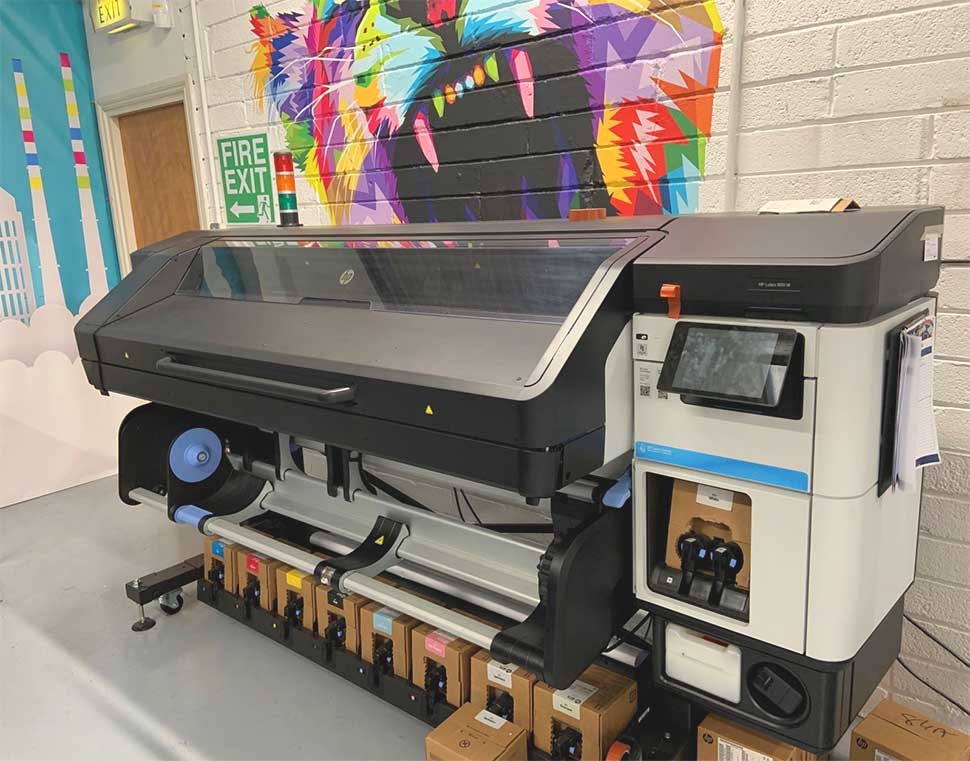

Creating custom wall murals for commercial and residential spaces has become increasingly popular, thanks to advancements in printing wall murals with latex printers. Latex technology offers vibrant color, durability, and eco-friendly benefits, making it a top choice for designers and print providers. Whether you’re a print shop owner, interior designer, or a business looking to transform a space, understanding the process and best practices for producing large-format wall graphics is essential.
This article provides a comprehensive overview of the workflow, materials, and considerations involved in producing high-quality wall murals using latex printing. We’ll also touch on how latex compares to other print technologies, and share practical tips for achieving professional results.
For those interested in sustainable print solutions, you may also want to explore our guide to solvent-free printing processes, which highlights eco-friendly trends in the industry.
Why Choose Latex Technology for Large Wall Graphics?
Latex printing stands out for its versatility and environmental advantages. Unlike solvent-based inks, latex inks are water-based, emitting low levels of volatile organic compounds (VOCs). This makes them safer for indoor environments, including schools, hospitals, and offices. Additionally, latex prints are known for their flexibility, scratch resistance, and ability to adhere to a wide variety of substrates.
- Vivid color reproduction: Latex printers deliver sharp, vibrant images ideal for impactful wall décor.
- Fast turnaround: Prints come out dry and ready for immediate finishing or installation.
- Durability: Latex inks resist fading, scratching, and water, making them suitable for high-traffic areas.
- Eco-friendly: Water-based inks and recyclable media options support green initiatives.
For a deeper comparison between latex and other print technologies, see this analysis of latex vs. eco-solvent printing.
Preparing Artwork for Wall Murals
Before starting the wall mural production process with latex printers, it’s crucial to prepare your artwork correctly. Large wall graphics require high-resolution images and careful planning to ensure seamless installation and visual impact.
- Resolution and Scaling: Use images with at least 150–300 dpi at full mural size. Vector graphics are ideal for logos or illustrations.
- Color Management: Calibrate your monitor and use ICC profiles tailored to your printer and media. This ensures color accuracy from screen to print.
- Bleed and Overlap: Add bleed (typically 1–2 inches) and plan for panel overlaps if the mural will be printed in sections.
- Proofing: Print a small sample or section to check color and clarity before full production.
Material Selection for Latex-Printed Murals
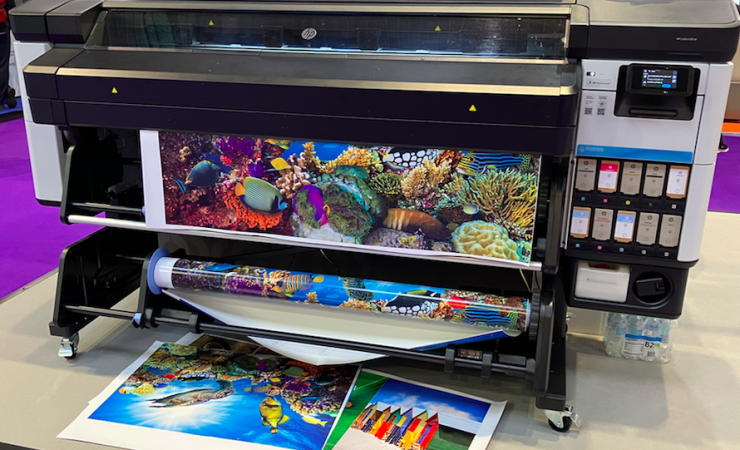
The choice of media is a key factor in the success of any large-format wall installation. Latex printers are compatible with a wide range of materials, including:
- Self-adhesive vinyl: Popular for its ease of installation and removability.
- Non-woven wallpaper: Offers a classic look and is ideal for residential or hospitality settings.
- Textured wallcoverings: Mimic materials like canvas or fabric for a unique finish.
- PVC-free options: Environmentally friendly choices for sensitive spaces.
Always check the manufacturer’s recommendations for compatibility with latex inks. Some substrates may require specific profiles or pre-treatment for optimal results.
Printing Workflow and Best Practices
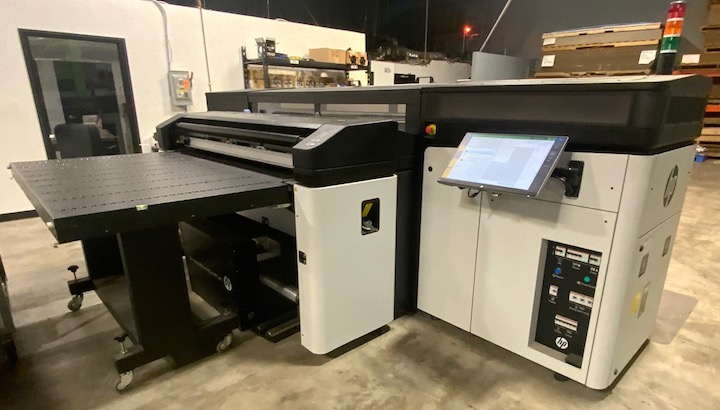
Achieving flawless results when printing wall murals with latex printers involves careful attention to workflow and equipment setup. Here’s a step-by-step overview:
- Printer Calibration: Regularly calibrate your printer to maintain color consistency and print quality.
- Media Loading: Ensure the media is loaded straight and tension is even to prevent skewing or banding.
- Print Settings: Select the correct media profile, resolution, and ink density for your chosen substrate.
- Panelization: For murals larger than the printer width, divide the artwork into overlapping panels for seamless installation.
- Finishing: Trim panels accurately and allow prints to cure fully before handling or installing.
Proper workflow minimizes waste and ensures a professional finish, especially for large or complex projects.
Installation Tips for Large Wall Murals
Proper installation is as important as the printing process itself. Here are some practical tips for a smooth application:
- Surface Preparation: Clean and dry the wall thoroughly. Remove dust, grease, and loose paint.
- Alignment: Use a level and mark guidelines to ensure straight placement of the first panel.
- Application: Work from the center outward, smoothing out air bubbles with a squeegee or soft cloth.
- Seam Matching: Carefully align overlapping panels for a seamless look.
- Trimming: Use a sharp blade to trim edges and around fixtures for a clean finish.
For complex or large-scale installations, consider hiring a professional installer to guarantee the best results.
Comparing Latex Printing to Other Technologies
When evaluating options for wall mural production, it’s helpful to understand how latex stacks up against other print methods such as eco-solvent and UV-curable printing. Latex offers several advantages:
- Health and safety: Low VOC emissions make latex prints suitable for sensitive environments.
- Immediate usability: Prints are dry and odorless right off the printer, reducing turnaround time.
- Media compatibility: Works with a broad range of wallcoverings, including PVC-free and textured options.
However, for certain specialty applications, other technologies may be preferred. For example, UV printing is ideal for rigid substrates, while solvent inks may offer higher outdoor durability. For more on specialty print processes, see our article on what is sublimation printing for specialty packaging.
Common Challenges and Solutions
Even with advanced equipment, some challenges can arise during the production of wall murals with latex printers:
- Color shifts: Regular calibration and use of ICC profiles help maintain color accuracy.
- Banding or streaks: Ensure printheads are clean and media is loaded correctly.
- Adhesion issues: Choose the right media for the wall surface and follow manufacturer guidelines.
- Panel misalignment: Careful planning and marking during installation prevent visible seams.
Addressing these issues proactively will save time and materials, resulting in a mural that meets or exceeds client expectations.
Frequently Asked Questions
What types of walls are suitable for latex-printed murals?
Most smooth, clean, and dry surfaces are suitable for latex-printed wall graphics. Painted drywall, glass, and some textured surfaces can all work, but always test adhesion and compatibility before full installation.
How long do latex-printed wall murals last?
With proper installation and care, latex-printed murals can last 5–10 years indoors without significant fading or damage. Durability depends on factors like exposure to sunlight, humidity, and cleaning methods.
Are latex inks safe for indoor environments?
Yes, latex inks are water-based and emit very low levels of VOCs, making them safe for use in homes, schools, hospitals, and offices. They are also odorless and dry quickly, allowing for immediate use of the space after installation.
Conclusion
Latex printing has transformed the way large wall murals are produced, offering a blend of vivid color, durability, and environmental responsibility. By following best practices in artwork preparation, material selection, and installation, you can achieve professional, long-lasting results for any space. For those interested in the latest trends in decorative printing, check out our insights on trends in wood-grain and natural textures on print.
Whether you’re expanding your print shop’s offerings or planning a custom mural project, latex technology provides the flexibility and quality needed to bring creative visions to life.