
Counterfeit products present a growing threat to brands across industries, undermining trust, damaging reputations, and causing significant financial losses. As counterfeiters become more sophisticated, businesses must adopt advanced anti-counterfeiting printing techniques to safeguard their products and customers. This guide explores the most effective methods for enhancing brand security through innovative print solutions, offering practical insights for manufacturers, packaging designers, and brand managers.
Understanding the latest developments in secure printing is crucial for anyone responsible for product packaging and brand protection. For those interested in related packaging trends, exploring trends in wood-grain and natural textures on print can provide additional inspiration for unique and secure packaging designs.
Why Brand Security Demands Advanced Printing Solutions
Brand security is no longer a concern limited to luxury goods. Pharmaceuticals, electronics, food, and even everyday consumer products are targets for counterfeiters. The consequences of fake goods range from lost revenue to serious health and safety risks for consumers. As a result, companies are investing in secure printing methods that make duplication difficult and authentication straightforward.
Modern anti-counterfeiting measures go beyond simple holograms or serial numbers. They combine multiple layers of security—both overt and covert—integrated directly into the packaging or product labels. This layered approach not only deters counterfeiters but also empowers retailers, inspectors, and end-users to verify authenticity quickly and reliably.
Key Anti-Counterfeiting Printing Techniques
There are several proven printing technologies that brands can use to protect their products. Each method offers unique benefits and can be tailored to suit specific security needs and budgets.
1. Holographic Elements and Foil Stamping
Holograms remain one of the most recognizable and effective anti-counterfeiting printing techniques. These three-dimensional images are extremely difficult to replicate without specialized equipment. Foil stamping, often combined with holographic patterns, adds a layer of visual complexity and tactile feedback that further deters counterfeiters.
- Overt security: Easily visible to consumers and inspectors.
- Customization: Can be designed with unique logos, serial numbers, or microtext.
- Integration: Suitable for labels, cartons, and flexible packaging.
2. Microtext and Guilloche Patterns
Microtext involves printing text so small that it is only legible under magnification. Guilloche patterns are intricate, fine-line designs often used on currency. Both are nearly impossible to duplicate accurately with standard printing equipment, making them valuable for high-security packaging.
- Covert security: Not easily seen by the naked eye, ideal for inspector verification.
- Design flexibility: Can be incorporated into logos, borders, or background patterns.
3. Invisible Inks and UV-Activated Features
Invisible inks are only visible under ultraviolet (UV) light or when exposed to specific chemicals. These features are ideal for covert authentication, allowing inspectors or retailers to verify products without alerting counterfeiters to the security measures in place.
- Discreet validation: Useful for in-field checks and supply chain verification.
- Layered security: Can be combined with QR codes or serial numbers for added protection.
4. Serialization and Track-and-Trace Codes
Serialization involves printing unique codes—such as QR codes, barcodes, or alphanumeric strings—on each product or package. These codes can be tracked throughout the supply chain, enabling real-time authentication and recall management.
- Supply chain transparency: Enables tracking from production to point of sale.
- Consumer engagement: Allows customers to verify authenticity via smartphone apps or websites.
5. Tamper-Evident and Security Labels
Tamper-evident labels are designed to show visible signs of interference if removed or altered. These can include destructible films, void patterns, or color-changing materials. When combined with other brand protection printing techniques, they provide a strong deterrent against unauthorized access or repackaging.
- Immediate feedback: Consumers can instantly recognize if a product has been tampered with.
- Custom solutions: Labels can be tailored to specific packaging formats and security needs.
Integrating Secure Printing into Packaging Design
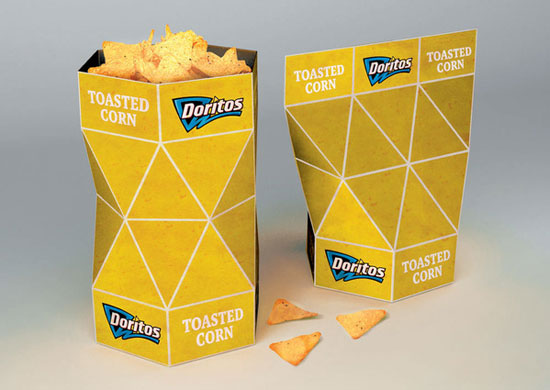
For maximum effectiveness, anti-counterfeiting features should be considered early in the packaging design process. Collaboration between brand managers, designers, and print suppliers ensures that security elements are seamlessly integrated without compromising aesthetics or usability.
Some brands are exploring innovative materials and finishes, such as those discussed in what is sublimation printing for specialty packaging, to further differentiate their products and deter counterfeiters. Combining tactile, visual, and digital security elements creates a multi-layered defense that is much harder to breach.
Emerging Trends in Anti-Counterfeiting Printing
The future of secure printing is being shaped by advances in digital technology, artificial intelligence, and sustainable materials. For example, digital watermarking and blockchain-based authentication are gaining traction as brands seek to enhance traceability and consumer trust. According to key trends in AI, packaging labels, and eco-friendly production, the industry is moving towards smarter, more environmentally conscious solutions that do not compromise on security.
Brands are also adopting solvent-free and low-impact printing processes, as detailed in the guide to solvent-free printing processes, to meet regulatory requirements and consumer expectations for sustainability.
Best Practices for Implementing Brand Protection Measures
To maximize the effectiveness of anti-counterfeiting strategies, consider the following best practices:
- Assess risk: Identify which products are most vulnerable to counterfeiting and prioritize protection accordingly.
- Layer security: Combine multiple printing techniques for a robust defense.
- Educate stakeholders: Train staff, retailers, and consumers on how to recognize and use security features.
- Monitor and adapt: Stay informed about new counterfeiting tactics and update security measures regularly.
- Collaborate with experts: Work with experienced print suppliers and technology partners to access the latest innovations.
Frequently Asked Questions
What are the most effective anti-counterfeiting features for packaging?
The most effective features combine overt elements like holograms and tamper-evident labels with covert techniques such as microtext, invisible inks, and serialization. Layering these methods increases security and makes duplication significantly harder for counterfeiters.
How can consumers verify the authenticity of a product?
Consumers can check for visible security features (holograms, unique labels), scan QR codes or barcodes for authentication, and look for signs of tampering. Some brands also provide online or app-based verification tools linked to serialization codes.
Are anti-counterfeiting printing techniques expensive to implement?
Costs vary depending on the complexity and number of security features used. However, many solutions are scalable and can be tailored to fit different budgets. The investment is often justified by the reduction in counterfeit-related losses and the protection of brand reputation.
Conclusion
Adopting advanced anti-counterfeiting printing techniques is essential for brands seeking to protect their products and maintain customer trust. By integrating secure printing solutions into packaging design and staying informed about emerging trends, businesses can stay ahead of counterfeiters and ensure the authenticity of their goods. For further insights into achieving high-quality results on challenging materials, consider reading about how to achieve photographic quality on corrugated flutes and explore the evolving landscape of future of cobots in packaging decoration for automated security applications.