

Choosing the right substrate is essential for achieving high-quality, durable prints with eco solvent ink. This comprehensive resource explores compatible materials, best practices, and key considerations for professionals and businesses looking to maximize the performance and sustainability of their printing operations. Whether you’re new to eco solvent technology or seeking to improve your results, understanding substrate compatibility is crucial for vibrant graphics, long-lasting signage, and efficient production workflows.
Eco solvent inks have become popular in the print industry due to their lower environmental impact, reduced odor, and ability to deliver vivid colors on a variety of surfaces. However, not every material is suitable for use with these inks. Selecting the proper substrate ensures optimal adhesion, color accuracy, and resistance to weather or abrasion. For those interested in broader sustainable printing methods, you may also want to explore our guide to solvent-free printing processes for additional eco-friendly options.
Understanding Eco Solvent Ink and Its Applications
Eco solvent ink is formulated with mild, biodegradable solvents, making it less harmful to both operators and the environment compared to traditional solvent inks. These inks are widely used for indoor and outdoor signage, vehicle wraps, banners, and wall graphics. Their advantages include:
- Low odor, making them suitable for indoor environments
- Excellent color vibrancy and sharpness
- Good resistance to UV light and weathering
- Compatibility with a wide range of flexible and rigid substrates
However, the performance of eco solvent inks is heavily influenced by the type of substrate chosen. Using the wrong material can result in poor ink adhesion, color fading, or even print failure.
Key Factors in Substrate Selection for Eco Solvent Printing
When evaluating materials for use with eco solvent inks, consider the following factors to ensure optimal print quality and durability:
- Surface Energy: Substrates with higher surface energy allow better ink adhesion. Materials like PVC and coated vinyl are ideal, while low-energy plastics may require pre-treatment.
- Absorbency: Non-porous materials prevent ink from soaking in, resulting in sharper images. Highly absorbent substrates can cause ink bleed or dull colors.
- Coating Compatibility: Some substrates are pre-coated to enhance ink bonding. Always verify if the material is designed for eco solvent printing.
- Intended Use: Outdoor applications demand substrates with UV resistance and weatherproofing, while indoor graphics may prioritize smoothness and color accuracy.
Testing new materials before full production is recommended to avoid costly errors and ensure customer satisfaction.
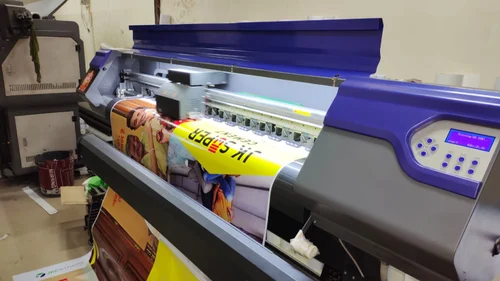
Popular Substrates Compatible with Eco Solvent Inks
There are several categories of materials that work well with eco solvent printers. Here are some of the most widely used options:
1. Vinyl (PVC) Films
Self-adhesive vinyl is one of the most common substrates for eco solvent printing. It is flexible, durable, and available in a range of finishes (gloss, matte, transparent). Applications include vehicle wraps, window graphics, and outdoor signage.
2. Banners and Flex Materials
PVC banner material is designed for large-format prints such as event backdrops, billboards, and promotional displays. These substrates are strong, weather-resistant, and provide excellent color reproduction.
3. Canvas and Fabrics
Specially coated polyester and cotton canvases allow for high-quality art reproductions and indoor displays. Fabric banners and flags can also be printed with eco solvent inks if the material is properly treated.
4. Paper and Cardstock
While less common for outdoor use, certain coated papers and cardstocks are compatible with eco solvent inks for posters, point-of-sale displays, and short-term graphics.
5. Specialty Films
Backlit films, perforated window films, and reflective materials are available with coatings that accept eco solvent inks, expanding creative possibilities for advertising and branding.
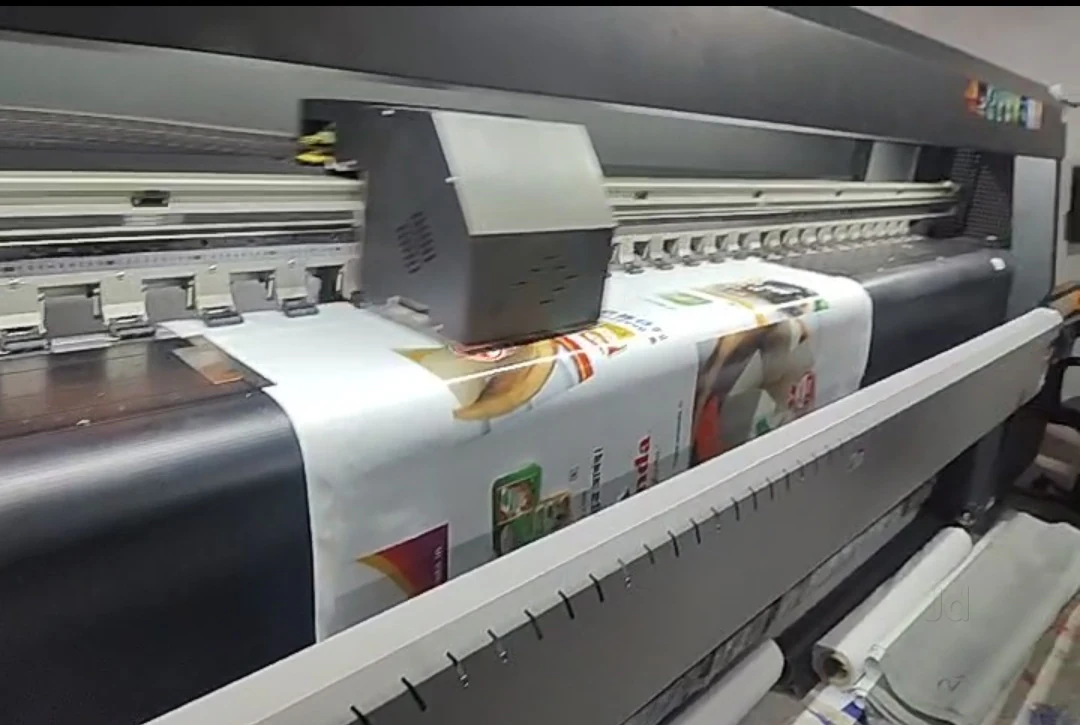
Best Practices for Printing on Eco Solvent Substrates
To get the best results from your eco solvent printer and chosen substrate, follow these recommendations:
- Store Materials Properly: Keep substrates in a clean, dry environment to prevent contamination and warping.
- Handle with Care: Wear gloves to avoid transferring oils or dust onto the print surface.
- Test Print Settings: Adjust ink density, temperature, and print speed according to the substrate manufacturer’s guidelines.
- Allow for Proper Drying: Eco solvent inks require time to cure. Avoid handling or finishing prints until fully dry to prevent smudging.
- Lamination: For outdoor or high-traffic applications, consider laminating prints to enhance durability and protect against scratches and UV exposure.
For additional tips on keeping your equipment running smoothly, check out these maintenance tips for smoother printer operations and performance.
Common Challenges and How to Overcome Them
Even with the right substrate, you may encounter issues such as ink pooling, poor adhesion, or color inconsistency. Here’s how to address some typical problems:
- Ink Not Adhering: Ensure the substrate is compatible and clean. Some plastics may need a primer or corona treatment.
- Color Fading: Use UV-resistant substrates and inks, and consider lamination for outdoor graphics.
- Banding or Smudging: Adjust printhead alignment and allow for sufficient drying time before handling.
- Material Curling: Store rolls flat and avoid excessive heat during printing.
Staying updated on trends in wood-grain and natural textures on print can also inspire new substrate choices and creative applications.
Environmental Benefits and Considerations
Eco solvent inks are designed to minimize environmental impact, but substrate choice also plays a role in sustainability. Opt for recyclable or biodegradable materials when possible, and work with suppliers who prioritize eco-friendly manufacturing processes. Proper waste management and recycling of offcuts or used graphics can further reduce your operation’s footprint.
For specialty packaging and unique applications, you may want to learn more about what is sublimation printing for specialty packaging as an alternative or complement to eco solvent printing.
Frequently Asked Questions
What substrates are not recommended for eco solvent ink?
Materials with very low surface energy, such as untreated polyethylene or polypropylene, are generally unsuitable unless specially coated. Highly absorbent or textured surfaces can also cause poor print quality.
Can eco solvent inks be used for food packaging?
Eco solvent inks are not food-safe and should not be used for direct food contact packaging. For food-safe applications, consider water-based or UV-curable inks certified for such use.
How do I ensure long-lasting outdoor prints?
Choose UV-resistant substrates, use high-quality eco solvent inks, and apply a protective laminate. Proper curing and storage also contribute to print longevity in outdoor environments.
Conclusion
Understanding the relationship between eco solvent ink and substrate selection is key to producing vibrant, durable, and sustainable prints. By choosing compatible materials, following best practices, and staying informed about new technologies, you can achieve outstanding results for a wide range of applications. For those interested in the future of automation in print finishing, explore the future of cobots in packaging decoration to see how innovation is shaping the industry.