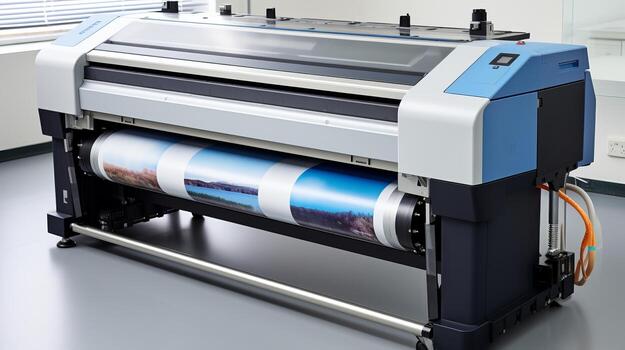

Sticker printing has evolved significantly in recent years, with businesses and hobbyists alike seeking vibrant, long-lasting, and environmentally friendly solutions. Eco solvent ink for sticker printing has become a top choice for those who need durable results without compromising on sustainability. This guide explores what sets eco solvent inks apart, their benefits for sticker applications, and how they compare to other ink technologies.
Whether you’re a print shop owner, a designer, or simply curious about modern sticker production, understanding the role of eco solvent inks can help you make informed decisions. For those interested in broader developments in print finishes, you may also want to learn about trends in wood-grain and natural textures on print, which are influencing packaging and label design today.
What Are Eco Solvent Inks?
Eco solvent inks are a type of ink formulation designed for wide-format printing, especially on vinyl and other flexible substrates. Unlike traditional solvent inks, which use aggressive chemicals, eco solvent variants utilize milder, biodegradable solvents. This makes them less hazardous to both users and the environment, while still delivering strong adhesion and vivid colors.
These inks are particularly popular in the signage, label, and sticker industries due to their balance of performance and environmental responsibility. They are engineered to work with a range of media, including self-adhesive vinyl, which is commonly used for sticker production.
Why Choose Eco Solvent Ink for Sticker Printing?
When it comes to producing stickers, the choice of ink can have a significant impact on the final product. Here’s why many professionals prefer eco solvent ink for sticker printing:
- Durability: Stickers printed with eco solvent inks are resistant to water, UV rays, and abrasion, making them suitable for both indoor and outdoor use.
- Vibrant Colors: These inks produce rich, saturated hues that stand out, which is essential for eye-catching stickers and labels.
- Environmental Benefits: The reduced use of volatile organic compounds (VOCs) and biodegradable solvents make these inks a greener choice compared to traditional options.
- Versatility: Eco solvent inks adhere well to a variety of surfaces, including vinyl, PVC, and some coated papers, expanding creative possibilities for sticker makers.
- Low Odor: The milder solvent base results in less odor during printing, creating a more pleasant and safer working environment.
How Eco Solvent Inks Work in Sticker Production
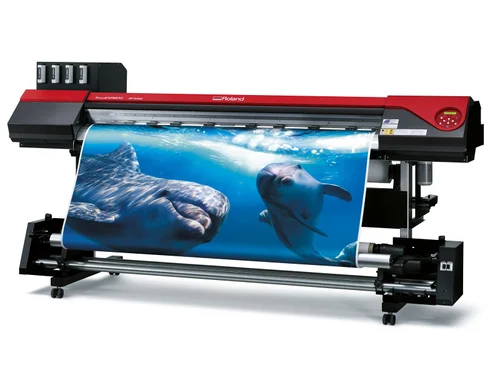
Eco solvent inks are specifically formulated to penetrate and bond with the surface of vinyl and other sticker materials. The printing process typically involves an inkjet printer equipped with eco solvent-compatible printheads. As the ink is deposited onto the substrate, the solvent component helps the pigment adhere firmly, resulting in a durable and weather-resistant print.
After printing, stickers may require a short drying or curing period to ensure the ink sets completely. Some printers include built-in heaters to accelerate this process, which is especially useful for high-volume production runs.
For those interested in alternative sustainable printing methods, exploring a guide to solvent-free printing processes can provide additional insights into eco-friendly print technologies.
Comparing Eco Solvent Ink to Other Ink Types
Choosing the right ink for sticker printing often involves comparing several technologies. Here’s how eco solvent inks stack up against other common options:
| Ink Type | Durability | Environmental Impact | Common Uses |
|---|---|---|---|
| Eco Solvent | High (outdoor & indoor) | Lower VOCs, biodegradable solvents | Stickers, signage, vehicle wraps |
| Traditional Solvent | Very high | Higher VOCs, more hazardous | Outdoor banners, billboards |
| UV-Curable | Excellent | Low VOCs, instant curing | Rigid substrates, specialty labels |
| Latex | Good | Water-based, very low emissions | Wall graphics, indoor stickers |
While UV and latex inks offer unique benefits, eco solvent remains a preferred choice for sticker printing due to its combination of durability, cost-effectiveness, and environmental responsibility. For a deeper dive into the differences between ink technologies, see this comparison of UV and eco solvent inks.
Best Practices for Printing Stickers with Eco Solvent Inks
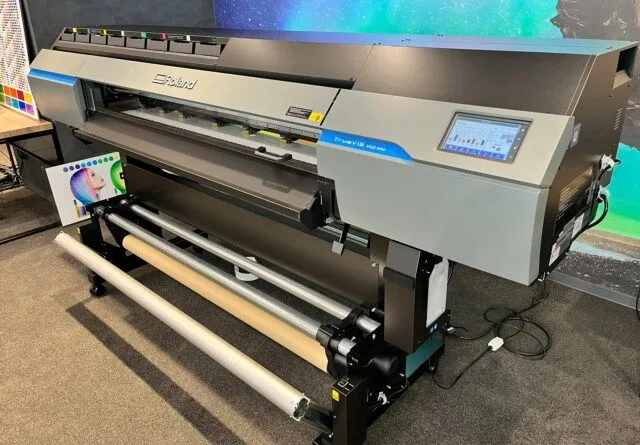
To achieve the best results when using eco solvent ink for sticker printing, consider the following tips:
- Choose Compatible Media: Use vinyl or other substrates specifically rated for eco solvent printing to ensure proper ink adhesion and longevity.
- Calibrate Your Printer: Regularly maintain and calibrate your printer for optimal color accuracy and print quality.
- Allow Proper Drying Time: Even though eco solvent inks dry faster than traditional solvents, allowing sufficient curing time will maximize durability.
- Laminate for Extra Protection: For stickers exposed to harsh environments, consider adding a clear laminate layer to further protect against scratches and fading.
- Store Inks Correctly: Keep ink cartridges sealed and stored in a cool, dry place to maintain their shelf life and performance.
For those working with specialty packaging or unique substrates, you might also be interested in learning what is sublimation printing for specialty packaging and how it compares to eco solvent methods.
Environmental Impact and Safety Considerations
One of the main advantages of eco solvent inks is their reduced environmental footprint. By using milder solvents and producing fewer harmful emissions, these inks help create a safer workplace and minimize the impact on air quality. Many eco solvent inks are also formulated to be biodegradable, further reducing their long-term environmental effects.
However, it’s still important to follow proper handling and disposal guidelines. Always ventilate your workspace, wear gloves when handling inks, and dispose of empty cartridges according to local regulations. These practices ensure both safety and compliance with environmental standards.
Frequently Asked Questions
Are eco solvent inks suitable for outdoor stickers?
Yes, stickers printed with eco solvent inks are highly durable and weather-resistant, making them ideal for outdoor use. They can withstand exposure to sunlight, rain, and abrasion without significant fading or deterioration.
How do eco solvent inks compare to UV-curable inks for sticker printing?
Eco solvent inks offer excellent flexibility and are well-suited for printing on vinyl and other flexible materials. UV-curable inks cure instantly and are great for rigid substrates, but may not provide the same flexibility as eco solvent options. Both have their place depending on the application and desired finish.
Can I use eco solvent inks on any type of sticker material?
Eco solvent inks are best used with media specifically designed for solvent-based printing, such as self-adhesive vinyl. Using incompatible materials may result in poor adhesion or color quality. Always check manufacturer recommendations for your chosen substrate.
Conclusion
Eco solvent inks have become a cornerstone in modern sticker production, offering a reliable blend of durability, color vibrancy, and environmental responsibility. By understanding their advantages and best practices, you can produce high-quality stickers that stand out and last. For those interested in the future of print technology, exploring the future of cobots in packaging decoration can provide a glimpse into upcoming innovations in the industry.