

As businesses grow and adapt to changing market demands, packaging operations must keep pace. Modular packaging systems have emerged as a strategic solution for companies seeking flexibility, efficiency, and the ability to scale production without major overhauls. By breaking down packaging lines into interchangeable, upgradable modules, organizations can respond rapidly to new products, fluctuating order volumes, and evolving sustainability requirements.
This article explores the core benefits of modular packaging systems, how they support scalable operations, and why they are becoming a preferred choice across industries. We’ll also look at real-world applications, key features, and future trends shaping the packaging landscape. For those interested in related innovations, the trends in wood-grain and natural textures on print offer further insight into how packaging is evolving both functionally and aesthetically.
Understanding Modular Packaging Solutions
Traditional packaging lines are often rigid, requiring significant investment and downtime to adapt to new products or increased demand. In contrast, modular systems are designed as a series of independent units—such as feeders, conveyors, printers, and sealers—that can be added, removed, or reconfigured as needed. This plug-and-play approach enables businesses to tailor their packaging processes to current needs and future growth.
Key components of modular packaging include:
- Interchangeable modules for different packaging tasks
- Standardized connections and interfaces
- Easy integration with automation and robotics
- Scalable layouts for expanding production capacity
Key Advantages for Growing Businesses
Scalability is one of the most compelling benefits of modular packaging systems. As demand increases or product lines diversify, companies can expand capacity by simply adding new modules—without replacing the entire line. This reduces capital expenditure, minimizes disruption, and allows for incremental investment.
Other important advantages include:
- Flexibility: Quickly adapt to new packaging formats, sizes, or materials.
- Reduced downtime: Swap or upgrade modules with minimal interruption to production.
- Cost efficiency: Invest only in the modules required for current needs, scaling up as business grows.
- Future-proofing: Integrate new technologies or comply with regulatory changes by updating specific modules.
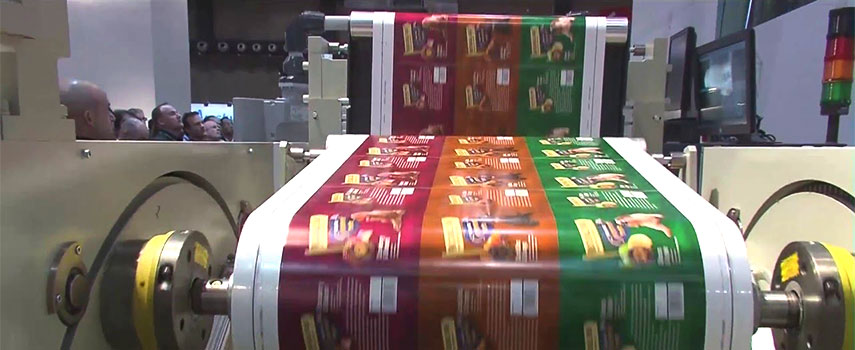
How Modular Packaging Enhances Operational Efficiency
One of the standout advantages of modular packaging systems is improved operational efficiency. By enabling targeted upgrades and maintenance, companies can keep lines running smoothly and avoid the costly downtime associated with traditional systems. Maintenance teams can isolate and service individual modules without halting the entire operation.
Additionally, modularity supports lean manufacturing principles. Businesses can optimize workflows by arranging modules in the most efficient sequence for their products. As new packaging requirements arise, modules can be swapped or repositioned to maintain optimal throughput.
For companies interested in advanced print quality on packaging, the how to achieve photographic quality on corrugated flutes guide provides practical tips for integrating high-resolution printing modules into modular lines.
Supporting Sustainability and Innovation
Environmental considerations are increasingly important in packaging. Modular systems make it easier for companies to adopt sustainable practices by allowing for the integration of eco-friendly modules, such as those designed for recyclable materials or solvent-free printing. This adaptability helps businesses stay compliant with environmental regulations and meet consumer expectations for greener packaging.
Innovation is also accelerated, as new technologies—like smart sensors, AI-driven quality control, or advanced labeling—can be incorporated by adding or upgrading modules. For an in-depth look at upcoming trends, the article on key trends in AI, packaging labels, and eco-friendly production highlights how modularity supports rapid adoption of cutting-edge solutions.
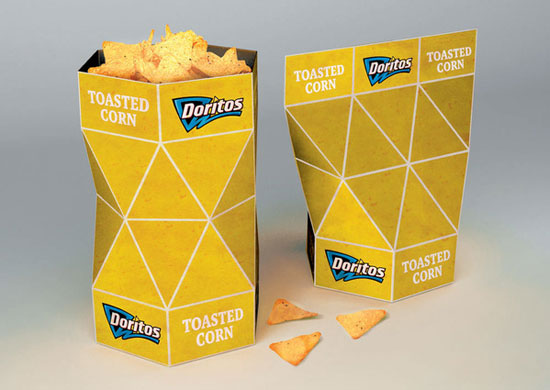
Real-World Applications and Industry Examples
Modular packaging is being adopted across a range of sectors, from food and beverage to pharmaceuticals and e-commerce. For instance, snack manufacturers can quickly introduce new flavors or package sizes by swapping out filling or sealing modules. E-commerce fulfillment centers can adjust their lines to accommodate seasonal spikes in order volume, simply by adding extra packing or labeling stations.
Pharmaceutical companies benefit from the ability to maintain strict quality control and traceability by integrating specialized inspection or serialization modules. This approach also supports compliance with evolving regulations and standards.
For those exploring specialty packaging needs, the what is sublimation printing for specialty packaging article offers insight into how modular systems can be tailored for unique product requirements.
Considerations When Implementing Modular Packaging
While the benefits of modular packaging systems are clear, successful implementation requires careful planning. Businesses should evaluate:
- Compatibility with existing equipment and workflows
- Ease of integration with automation and digital technologies
- Supplier support for future upgrades and module availability
- Total cost of ownership, including maintenance and training
Partnering with experienced vendors and investing in staff training can help maximize the return on investment and ensure smooth transitions as new modules are introduced.
For a deeper dive into eco-friendly production and solvent-free printing, the guide to solvent-free printing processes provides actionable guidance for companies looking to enhance their sustainability profile through modular upgrades.
Frequently Asked Questions
What makes modular packaging systems scalable?
Modular packaging systems are scalable because they allow businesses to add or remove modules based on current production needs. This flexibility means companies can increase capacity, introduce new product lines, or update processes without investing in entirely new equipment.
Are modular packaging solutions suitable for small businesses?
Yes, modular systems are ideal for small and medium-sized enterprises. They enable incremental investment, so businesses can start with a basic setup and expand as demand grows. This approach reduces upfront costs and financial risk.
How do modular systems support sustainability goals?
By making it easy to integrate eco-friendly modules—such as those for recyclable materials or solvent-free printing—modular packaging supports sustainability initiatives. Companies can adapt quickly to new environmental regulations and consumer preferences by updating specific modules rather than replacing entire lines.
Conclusion
Modular packaging systems offer a powerful combination of flexibility, scalability, and efficiency for businesses navigating a rapidly changing marketplace. By enabling targeted upgrades, supporting sustainable practices, and reducing operational downtime, these systems are helping organizations future-proof their packaging operations. As technology continues to advance, modularity will remain a key driver of innovation and competitiveness in the packaging industry.