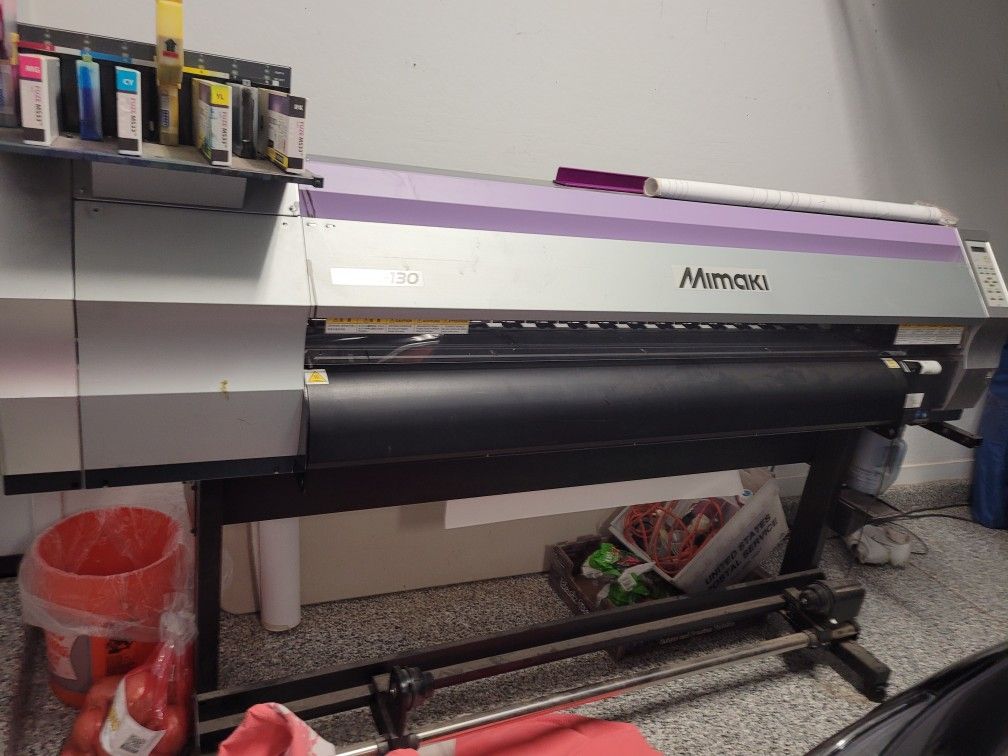

Eco solvent ink has become a popular choice in the digital printing industry, especially for those seeking a balance between print quality, environmental responsibility, and cost-effectiveness. Understanding the pros and cons of eco solvent ink is essential for businesses, print professionals, and hobbyists looking to make informed decisions about their printing solutions. This article explores the advantages and drawbacks of eco solvent inks, helping you determine if they fit your needs.
Eco solvent inks are formulated with mild, biodegradable solvents, making them less hazardous than traditional solvent inks. They are widely used for indoor and outdoor signage, vehicle wraps, banners, and other applications where durability and vibrant color are required. However, like any technology, they come with trade-offs that should be carefully considered.
If you’re interested in sustainable alternatives, you might also want to read the guide to solvent-free printing processes for a broader perspective on eco-friendly printing methods.
What Is Eco Solvent Ink?
Eco solvent ink is a type of ink used in wide-format inkjet printers. Unlike traditional solvent inks, which use aggressive chemicals, eco solvent formulations rely on gentler, biodegradable solvents. This makes them less toxic and more suitable for use in environments where air quality and safety are concerns.
These inks are designed to adhere well to a variety of substrates, including vinyl, banner materials, and coated papers. They are especially valued for producing prints that are both durable and vibrant, with resistance to fading and weathering.
Key Advantages of Eco Solvent Ink
There are several compelling reasons why print shops and professionals choose eco solvent inks. Here are some of the main benefits:
- Lower Environmental Impact: Eco solvent inks emit fewer volatile organic compounds (VOCs) compared to traditional solvent inks. This results in improved air quality and a safer working environment.
- Indoor and Outdoor Versatility: Prints made with eco solvent inks are suitable for both indoor and outdoor use. They offer good resistance to water, UV rays, and abrasion, making them ideal for signage, vehicle graphics, and banners.
- Vivid Colors and High Print Quality: These inks deliver bright, sharp, and consistent colors. The quality is often comparable to that of more aggressive solvent inks, making them a strong choice for applications where appearance matters.
- Less Odor: One of the most noticeable benefits is the reduced odor during printing. This makes eco solvent ink more pleasant to use, especially in enclosed or poorly ventilated spaces.
- Compatibility with a Range of Media: Eco solvent inks work well with a wide variety of substrates, including self-adhesive vinyl, canvas, and coated papers.
- Lower Maintenance Requirements: Printers using eco solvent inks typically require less frequent cleaning and maintenance compared to those running traditional solvent inks.
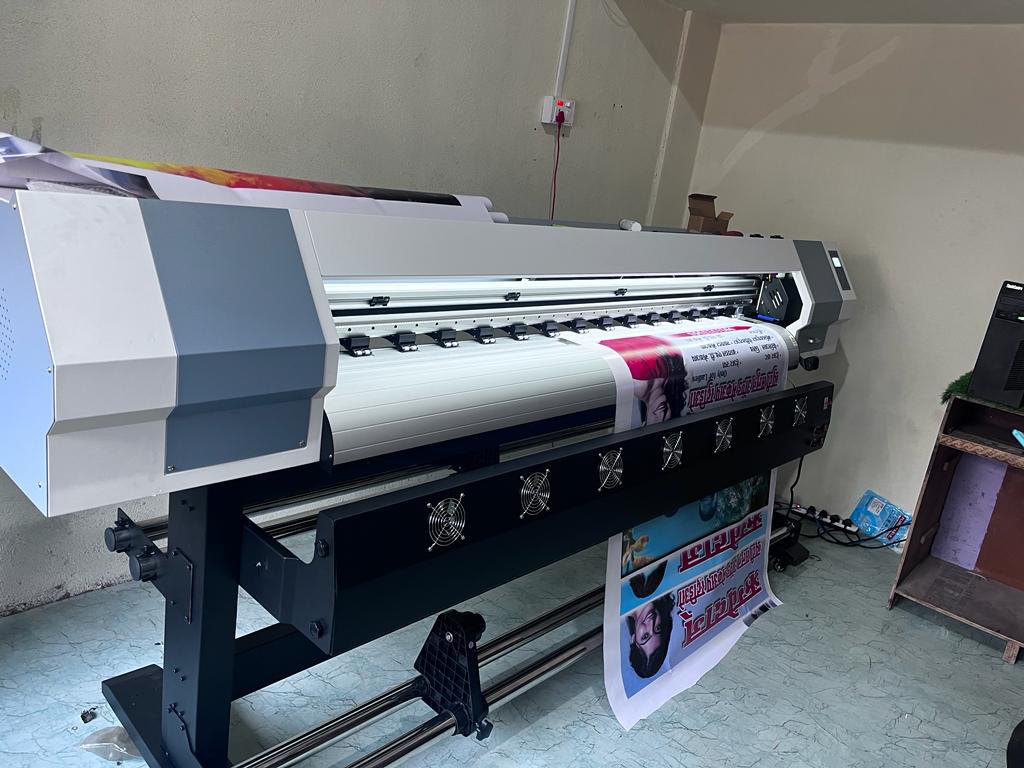
Potential Drawbacks to Consider
While eco solvent inks offer many benefits, it’s important to be aware of their limitations. Here are some of the main disadvantages:
- Longer Drying Times: Compared to hard solvent inks, eco solvent inks may require longer to dry, especially on non-porous surfaces. This can slow down production in high-volume environments.
- Limited Substrate Compatibility: Although versatile, eco solvent inks may not adhere as well to certain uncoated or specialty materials. For some applications, additional surface preparation or coating may be necessary.
- Outdoor Durability Is Not Unlimited: While suitable for many outdoor uses, eco solvent prints may not last as long as those made with full solvent inks in harsh conditions. For extreme weather or long-term outdoor exposure, lamination might be required.
- Printer Compatibility: Not all printers are designed for eco solvent inks. Switching from traditional solvent or aqueous inks may require equipment upgrades or modifications.
- Higher Initial Ink Cost: Eco solvent inks can be more expensive per liter than some traditional inks. However, the reduced need for ventilation and maintenance can offset these costs over time.
Comparing Eco Solvent Ink to Other Printing Technologies
When evaluating the pros and cons of eco solvent ink, it’s helpful to compare them to other popular ink technologies:
| Ink Type | Environmental Impact | Durability | Typical Applications |
|---|---|---|---|
| Eco Solvent | Lower VOCs, biodegradable solvents | Good for indoor/outdoor, moderate weather resistance | Signage, banners, vehicle wraps |
| Traditional Solvent | High VOCs, hazardous chemicals | Excellent for harsh outdoor use | Billboards, outdoor graphics |
| Latex | Water-based, very low VOCs | Good, but may require lamination outdoors | Indoor graphics, wall coverings |
| UV-Curable | Low VOCs, instant curing | Excellent, highly durable | Rigid substrates, specialty applications |
For those interested in advanced printing on specialty substrates, see how to achieve photographic quality on corrugated flutes for more insights.
Best Use Cases for Eco Solvent Inks
Eco solvent inks are ideal for a range of applications where durability, color vibrancy, and environmental considerations are important. Common uses include:
- Indoor and outdoor signage
- Vehicle wraps and decals
- Window graphics
- Trade show displays
- Wall murals and décor
Their versatility makes them a go-to solution for print shops serving both commercial and retail clients.
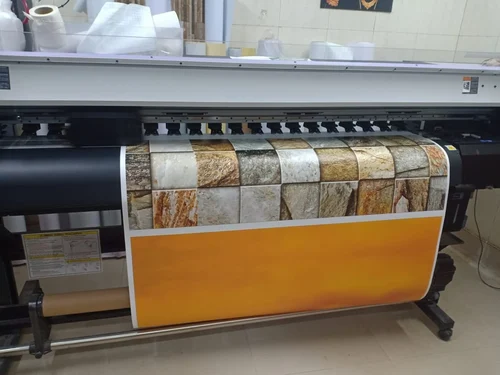
Environmental and Health Considerations
One of the strongest arguments for choosing eco solvent inks is their reduced impact on the environment and human health. The lower VOC emissions mean fewer harmful fumes, which is beneficial for both print operators and those in the surrounding area. Additionally, the biodegradable nature of the solvents used in these inks supports efforts toward greener printing practices.
For a deeper dive into sustainable printing, you may want to explore the guide to solvent-free printing processes for more strategies on reducing your environmental footprint.
Tips for Getting the Most from Eco Solvent Inks
To maximize the benefits and minimize the drawbacks of eco solvent inks, consider the following tips:
- Choose Compatible Media: Always use substrates recommended by your ink and printer manufacturer for best results.
- Allow Adequate Drying Time: Plan your workflow to accommodate the longer drying times, especially for large or high-density prints.
- Maintain Your Printer: Regular maintenance ensures consistent print quality and extends the life of your equipment.
- Consider Lamination: For outdoor applications or high-traffic areas, laminating your prints can extend their lifespan and enhance durability.
For more on the benefits and applications of this technology, see this detailed overview of eco solvent printing for advertising.
Frequently Asked Questions
Are eco solvent inks safe for indoor use?
Yes, eco solvent inks are generally considered safe for indoor environments due to their low VOC emissions and reduced odor. However, always ensure proper ventilation and follow manufacturer safety recommendations.
How long do eco solvent prints last outdoors?
Prints made with eco solvent inks can last from 1 to 3 years outdoors without lamination, depending on exposure to sunlight, weather, and abrasion. For maximum durability, especially in harsh conditions, lamination is recommended.
Can I use eco solvent ink in any printer?
No, not all printers are compatible with eco solvent inks. Always check your printer’s specifications or consult the manufacturer before switching ink types to avoid damage or suboptimal performance.
Conclusion
Understanding the pros and cons of eco solvent ink is crucial for anyone involved in digital printing. These inks offer a compelling mix of environmental benefits, print quality, and versatility, but they also come with certain limitations. By weighing these factors and considering your specific needs, you can make an informed decision about whether eco solvent ink is the right choice for your next project.