The world of retail graphics with latex printing has evolved rapidly, offering brands and stores new ways to create vibrant, durable, and sustainable visual displays. Latex printing, known for its eco-friendly approach and high-quality output, is now a preferred method for producing retail signage, window graphics, wall coverings, and promotional materials. This guide explores the unique advantages of latex technology, the production process, and practical tips for maximizing results in retail environments.
As retail spaces compete for attention, the demand for eye-catching, long-lasting graphics continues to grow. Latex printing stands out by delivering sharp images, fast turnaround times, and compatibility with a wide range of materials. For those interested in related innovations, understanding what is digital prototyping for packaging can further enhance your production workflow and speed.
Understanding Latex Printing for Retail Visuals
Latex printing uses water-based inks that are cured using heat, resulting in graphics that are both vibrant and resistant to scratches and fading. This technology is especially suited for retail graphics production because it supports a broad range of substrates, including paper, vinyl, textiles, and specialty films. Unlike solvent-based methods, latex prints are odorless and safe for indoor environments, making them ideal for in-store displays.
The versatility of latex printers allows retailers to create everything from large banners to intricate window decals. With the ability to print on both rigid and flexible materials, brands can maintain consistency across various touchpoints within their stores.
Key Benefits of Retail Graphics with Latex Printing
Adopting latex technology for retail graphics brings several important advantages:
- Eco-Friendly Production: Water-based inks reduce environmental impact and are safer for staff and customers.
- Fast Turnaround: Prints are dry and ready for finishing or installation immediately after printing, speeding up project timelines.
- Durability: Graphics resist scratches, moisture, and UV exposure, ensuring displays look fresh longer.
- High Image Quality: Latex printers deliver sharp details and vibrant colors, crucial for attracting shoppers.
- Wide Material Compatibility: From self-adhesive vinyl to fabrics and wallpapers, latex technology supports diverse retail applications.
For global brands managing color consistency across locations, exploring the benefits of cloud-based color management can further streamline production and maintain brand standards.
Applications in Modern Retail Environments
The flexibility of latex printing opens up a range of creative possibilities for retail spaces. Common uses include:
- Window Graphics: Promote sales or seasonal campaigns with removable, high-impact visuals.
- Wall Murals: Transform store interiors with custom-printed graphics that reinforce brand identity.
- Point-of-Purchase Displays: Draw attention to featured products with durable, vibrant signage.
- Floor Graphics: Guide customer flow or highlight promotions with slip-resistant materials.
- Backlit Displays: Enhance visibility and color vibrancy for illuminated retail signage.
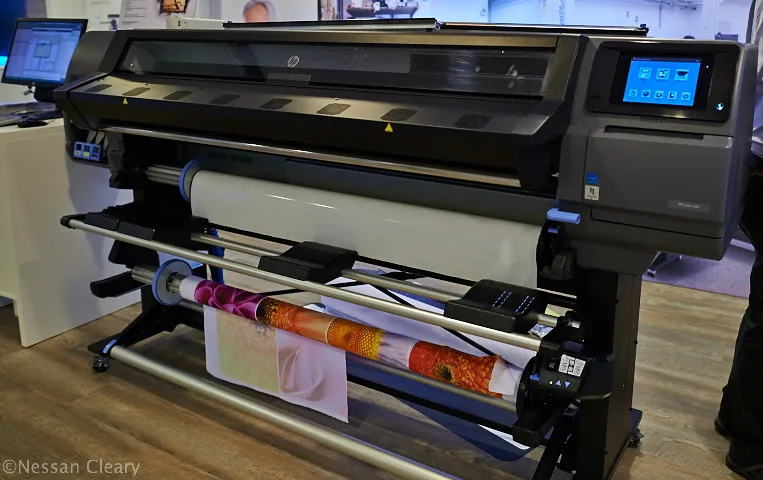
Latex Printing Workflow: From Design to Installation
Producing retail graphics with latex printing involves several key steps to ensure optimal results:
- Design Preparation: Start with high-resolution artwork and ensure color profiles match the intended output. Calibrating your monitor with a reliable tool helps maintain color accuracy.
- Material Selection: Choose substrates that fit the display’s location and expected wear. Latex printers accommodate a wide variety of media, from adhesive films to textiles.
- Printing: The latex printer applies water-based inks, which are instantly cured by heat. This process produces prints that are dry and ready for immediate handling.
- Finishing: Depending on the application, graphics may be laminated, cut, or mounted to rigid boards for added durability.
- Installation: Proper surface preparation and installation techniques ensure graphics adhere well and maintain their appearance over time.
For those interested in advanced finishing options, learning about what is holographic lamination can add a unique visual effect to retail displays.
Comparing Latex Printing to Other Technologies
While latex printing is increasingly popular, it’s helpful to compare it with other methods used for retail graphics:
| Feature | Latex Printing | Solvent Printing | UV Printing |
|---|---|---|---|
| Ink Type | Water-based latex | Solvent-based | UV-curable |
| Environmental Impact | Low (eco-friendly) | Higher (VOCs) | Moderate |
| Odor | Odorless | Strong odor | Minimal |
| Material Compatibility | Wide (flexible & rigid) | Mainly flexible | Wide (including rigid) |
| Durability | High | High | High |
| Finishing Time | Immediate | Requires drying | Immediate |
Latex technology offers a balance of quality, speed, and environmental responsibility, making it a strong choice for modern retail needs.
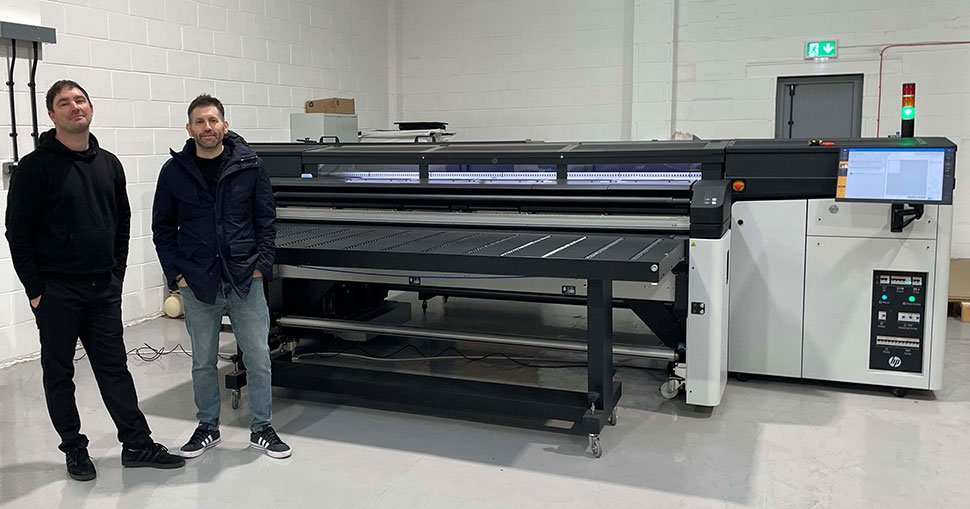
Tips for Successful Retail Graphics Production
To get the most from latex printing in retail settings, consider these best practices:
- Use High-Quality Images: Start with sharp, high-resolution files to ensure crisp output at large sizes.
- Calibrate Your Monitor: Accurate color on-screen leads to better print results. Tools like monitor calibrators are essential for professional workflows.
- Select the Right Media: Match the substrate to the intended use—indoor, outdoor, temporary, or permanent.
- Test Before Full Production: Print small samples to confirm color, adhesion, and durability before committing to large runs.
- Stay Updated: Advances in latex technology continue to improve print speeds, color gamut, and media compatibility. Explore resources like HP’s latex printing technology overview for the latest developments.
For those targeting younger demographics, learning how to design packaging for Gen Z consumers can help align your graphics and displays with current trends and values.
Frequently Asked Questions
What makes latex printing suitable for retail graphics?
Latex printing is ideal for retail because it produces odorless, durable, and vibrant graphics that are safe for indoor use. The technology supports a wide variety of materials, enabling consistent branding across different types of displays.
How does latex printing compare to solvent or UV printing?
Compared to solvent printing, latex uses water-based inks, resulting in lower environmental impact and no strong odors. While UV printing also offers instant curing, latex is often preferred for its eco-friendly profile and broad media compatibility.
Can latex-printed graphics be used outdoors?
Yes, latex-printed graphics are highly durable and resistant to moisture, UV light, and scratches, making them suitable for both indoor and outdoor retail applications.
Are latex inks environmentally friendly?
Latex inks are water-based and contain minimal volatile organic compounds (VOCs), making them a more sustainable choice for retail graphics production.
What types of substrates work best with latex printers?
Latex printers are compatible with a wide range of substrates, including self-adhesive vinyl, textiles, wallpapers, and rigid boards, providing flexibility for various retail display needs.