The eco solvent ink curing process is a crucial step in wide-format digital printing, especially for those seeking durable, vibrant prints with minimal environmental impact. Understanding how these inks cure helps print operators, designers, and business owners achieve optimal results on banners, signage, and other substrates. This article breaks down the essentials of curing eco solvent inks, covering how it works, why it matters, and how to troubleshoot common issues.
For professionals interested in related print technologies, learning about what is electron beam curing in printing can provide additional context on advanced curing methods used in the industry.
What Are Eco Solvent Inks?
Eco solvent inks are a type of ink used in digital printing that contain mild, biodegradable solvents. Unlike traditional solvent inks, they emit fewer volatile organic compounds (VOCs), making them safer for both operators and the environment. These inks are popular for outdoor graphics, vehicle wraps, and indoor displays due to their excellent color vibrancy and weather resistance.
How the Curing Process Works
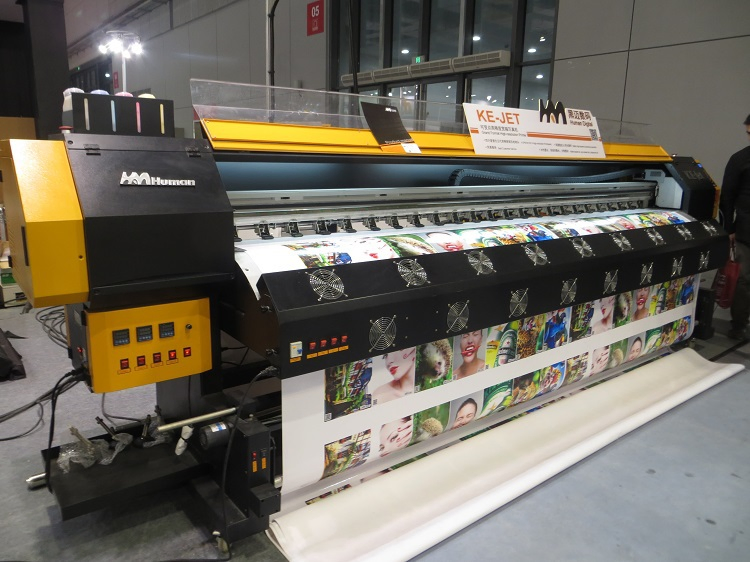
The curing process for eco solvent inks involves the evaporation of the solvent carrier, allowing the pigment to bond with the substrate. This is typically achieved through controlled heat and airflow within the printer. The process ensures that prints are dry to the touch, resistant to smudging, and durable enough for handling or outdoor exposure.
Stages of Ink Curing
- Ink Deposition: The printer jets eco solvent ink droplets onto the substrate.
- Solvent Evaporation: Heat and airflow cause the solvent to evaporate, leaving the pigment behind.
- Pigment Fixation: The pigment bonds to the surface, creating a durable and vibrant print.
- Final Drying: Additional drying ensures no tackiness or smearing, making the print ready for finishing or installation.
Why Proper Curing Is Essential
Achieving the right curing conditions is vital for several reasons:
- Durability: Properly cured prints resist abrasion, moisture, and UV exposure.
- Color Accuracy: Incomplete curing can cause color shifts or dullness.
- Adhesion: Good curing ensures the ink bonds well to the substrate, preventing peeling or flaking.
- Handling: Prints are dry to the touch and can be finished, laminated, or installed immediately.
For brands managing color consistency across locations, exploring the benefits of cloud-based color management can further enhance print quality and workflow efficiency.
Factors Affecting the Curing of Eco Solvent Inks
Several variables influence how effectively eco solvent inks cure:
- Printer Temperature Settings: Most printers have adjustable heaters (pre, platen, and post heaters) to control drying speed.
- Airflow: Built-in fans or external ventilation help remove evaporated solvents efficiently.
- Substrate Type: Different materials (vinyl, canvas, paper) absorb and release solvents at varying rates.
- Ink Layer Thickness: Heavier ink coverage requires more time and heat to cure fully.
- Ambient Conditions: Room temperature and humidity can speed up or slow down the curing process.
Common Problems and Troubleshooting Tips
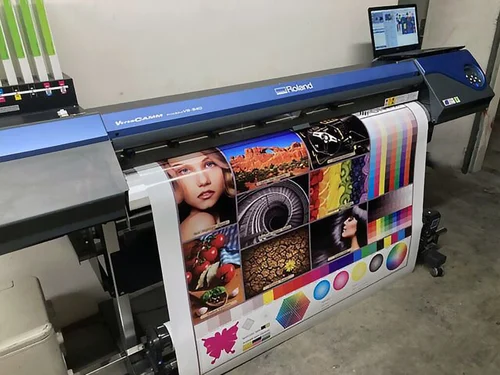
Even with advanced printers, issues can arise during the eco solvent ink curing process. Here are some typical problems and how to address them:
- Sticky or Wet Prints: Increase heater temperature, improve airflow, or reduce ink density.
- Color Fading or Shifting: Ensure the print is fully cured before handling or laminating. Check for correct temperature settings.
- Poor Adhesion: Use compatible substrates and verify that the surface is clean and dust-free.
- Banding or Uneven Drying: Clean printheads, check for obstructions in airflow, and calibrate heater zones.
For those interested in rapid prototyping and packaging, understanding what is digital prototyping for packaging can help speed up production cycles and reduce waste.
Best Practices for Reliable Results
- Follow Manufacturer Guidelines: Always use recommended temperature and airflow settings for your printer and ink combination.
- Test New Substrates: Run small test prints to determine optimal curing parameters for unfamiliar materials.
- Monitor Environmental Conditions: Keep the print room at stable temperature and humidity levels.
- Allow Adequate Outgassing: For prints that will be laminated, let them rest for 24 hours to ensure all solvents have evaporated.
- Regular Maintenance: Clean heaters, fans, and printheads to prevent buildup that could affect curing efficiency.
Comparing Eco Solvent Ink Curing with Other Methods
While eco solvent curing relies on heat and airflow, other printing technologies use different approaches. For example, UV-curable inks are instantly set by ultraviolet light, while aqueous inks may require less heat but more drying time. Each method has its own advantages and limitations, but eco solvent inks strike a balance between environmental safety, print durability, and versatility.
If you’re curious about specialty finishing techniques, you might find what is holographic lamination useful for creating eye-catching effects on your prints.
Further Reading and Resources
For a deeper dive into the science and applications of these inks, check out this comprehensive overview of eco solvent inks from an industry leader.
Frequently Asked Questions
How long does it take for eco solvent inks to cure?
Most prints are dry to the touch immediately after printing, thanks to built-in heaters and fans. However, for full solvent evaporation (outgassing), it’s best to wait 24 hours before laminating or heavy handling.
Can I speed up the curing process?
Increasing heater temperatures and improving airflow can accelerate drying, but be careful not to overheat the substrate or cause ink distortion. Always follow your printer’s recommended settings.
What substrates are compatible with eco solvent inks?
These inks work well on coated and uncoated vinyl, banners, canvas, and some papers. Always test new materials to ensure proper adhesion and curing.
Is eco solvent ink safe for indoor use?
Yes, these inks emit low levels of VOCs and are suitable for indoor graphics, displays, and wall coverings. Proper ventilation is still recommended during printing.
How does curing affect print durability?
Proper curing ensures prints are resistant to water, UV light, and abrasion, making them suitable for both indoor and outdoor applications.
For more insights into print design and trends, see our guide on how to design packaging for Gen Z consumers.