
Retail visual merchandising with glass printing is transforming how brands attract, engage, and retain customers in physical stores. By integrating printed glass elements into displays, retailers can create a modern, premium look that stands out from traditional signage or shelving. This approach not only elevates the overall aesthetic but also allows for creative storytelling, branding, and product differentiation. Whether you manage a boutique, a large chain, or a specialty shop, understanding how to use glass printing effectively can help you design memorable in-store experiences that drive sales and strengthen your brand identity.
In this article, we’ll explore practical ways to incorporate glass printing into your merchandising strategy, discuss the benefits, and share inspiring ideas for different retail environments. We’ll also touch on common pitfalls and link to further resources for those interested in advanced techniques or troubleshooting.
For those new to working with glass, it’s helpful to be aware of common mistakes in glass printing so you can avoid costly errors and achieve the best results from your merchandising efforts.
Why Use Glass Printing in Store Displays?
Integrating printed glass into retail environments offers several unique advantages over traditional display materials. Here’s why more retailers are choosing this method:
- Premium Look and Feel: Glass has a natural shine and clarity that instantly elevates the perception of your brand and products.
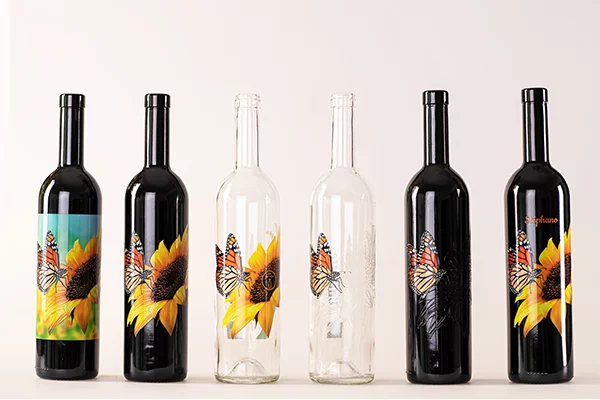
- Customization: With modern printing techniques, you can add logos, patterns, product information, or even full-color images directly onto glass surfaces.
- Durability: Printed glass is resistant to fading, scratching, and moisture, making it ideal for high-traffic areas.
- Light Play: Glass can be backlit or edge-lit, creating dynamic effects that draw attention and enhance the ambiance of your store.
- Easy Maintenance: Glass is simple to clean and maintain, ensuring your displays look fresh and inviting over time.
Creative Concepts for Visual Merchandising with Printed Glass
There are countless ways to use glass printing for in-store displays. Here are some ideas to inspire your next retail project:
Branded Shelving and Product Risers
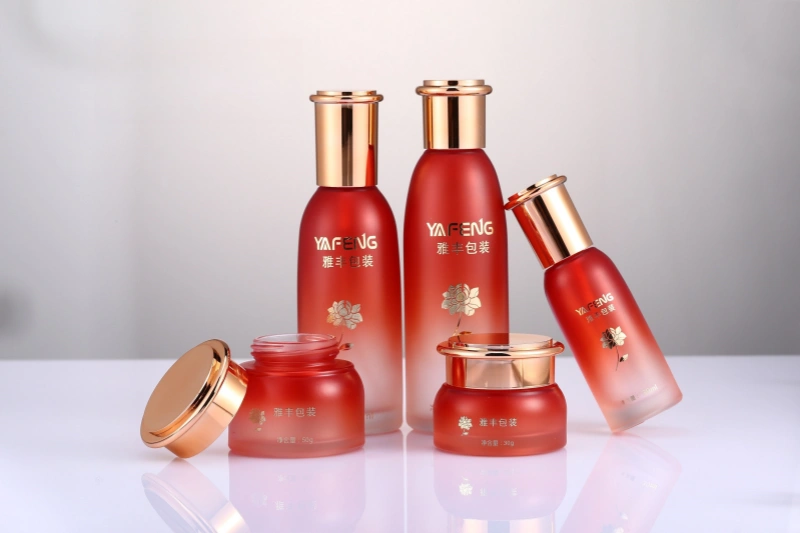
Custom-printed glass shelves or risers can showcase featured products while reinforcing your brand. Whether you print your logo, a seasonal motif, or product details, these elements add a sophisticated touch to any display. For luxury or beauty retailers, frosted or color-printed glass risers can help segment product categories and guide customer attention.
Window Graphics and Storefronts
Printed glass is ideal for eye-catching window displays. Unlike vinyl decals, direct-to-glass printing provides a seamless, high-end appearance. Use this technique for seasonal promotions, brand storytelling, or simply to add privacy while letting in natural light. Consider layering translucent and opaque inks for depth and visual interest.
Wayfinding and Informational Signage
Directional signs, product information panels, and even QR code displays can be printed on glass for a modern, cohesive look. This is especially effective in large-format retail, showrooms, or department stores where clear navigation is essential. Glass signage can be suspended, wall-mounted, or integrated into counters and fixtures.
Techniques and Materials for Glass Printing in Retail
There are several methods for adding graphics to glass, each with its own benefits and best-use scenarios. Some of the most popular include:
- Screen Printing: Ideal for bold colors and simple graphics, screen printing is durable and cost-effective for larger runs.
- Digital UV Printing: Allows for full-color, high-resolution images and gradients. Perfect for custom or short-run projects.
- Etching and Sandblasting: Creates a frosted, textured effect that’s subtle and elegant. Great for logos or decorative patterns.
- Decal Application: For temporary or changeable graphics, printed decals can be applied to glass surfaces and removed as needed.
For a deeper dive into the technical side, check out this comprehensive guide to glass printing techniques and options.
Design Tips for Effective Glass-Based Merchandising
To maximize the impact of printed glass in your retail space, keep these design principles in mind:
- Contrast and Readability: Make sure your graphics stand out against the background. Use bold colors or frosted effects for text and logos.
- Lighting: Take advantage of glass’s reflective qualities by using spotlights, backlighting, or edge lighting to highlight your displays.
- Brand Consistency: Match your printed glass elements with your overall brand palette and visual language for a cohesive look.
- Placement: Position glass elements at eye level or in high-traffic zones to ensure they catch customers’ attention.
- Maintenance: Plan for easy cleaning and durability, especially in areas exposed to fingerprints or frequent handling.
Inspiration from Leading Retailers
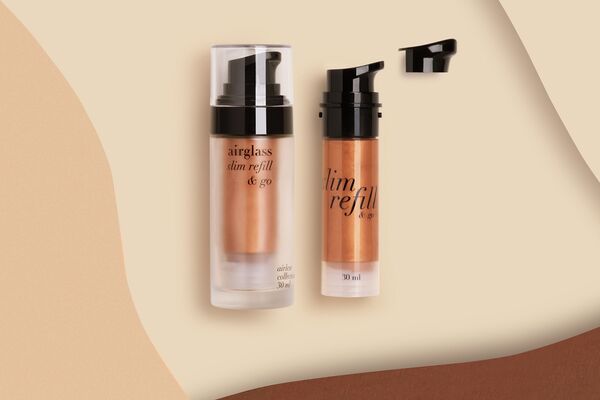
Many top brands are already leveraging glass printing to create immersive, memorable environments. For example, luxury beauty stores use printed glass shelves to display skincare and fragrance lines, while fashion retailers incorporate branded glass partitions and signage to guide shoppers through curated collections.
For even more creative ideas, you might explore glass wall art ideas that can be adapted for retail environments, or see how industrial glass printing uses are influencing commercial design trends.
Practical Considerations and Best Practices
Before investing in glass printing for your store, consider the following:
- Budget: While glass printing can be more expensive upfront than vinyl or acrylic, its durability and premium appearance often justify the cost.
- Installation: Work with experienced installers to ensure glass panels are safely and securely mounted.
- Safety: Use tempered or laminated glass for displays in areas accessible to customers to prevent breakage and injuries.
- Regulations: Check local building codes and safety standards for using glass in public spaces.
- Supplier Selection: Choose a reputable glass printing provider with experience in retail projects and a portfolio of successful installations.
Frequently Asked Questions
What types of glass can be used for retail printing?
Most retail applications use tempered or laminated glass for safety and durability. Both clear and frosted finishes are popular, and specialty glass (such as low-iron or colored glass) can be used for unique effects.
How durable is printed glass in high-traffic retail environments?
When produced with quality inks and proper curing, printed glass is highly resistant to scratches, fading, and cleaning chemicals. It’s well-suited for busy stores, provided it’s installed and maintained correctly.
Can glass printing be updated or changed seasonally?
Permanent techniques like screen printing and UV printing are best for long-term branding, while removable decals or overlays are ideal for seasonal promotions or temporary campaigns. Plan your merchandising strategy accordingly.
Conclusion
Integrating glass printing into your retail merchandising strategy offers a powerful way to create visually stunning, durable, and brand-consistent displays. By understanding the available techniques, design principles, and practical considerations, you can make informed decisions that enhance your store’s appeal and customer experience. Explore more about retail visual merchandising with glass printing and related topics to stay ahead in the evolving world of in-store design.