The future of digital glass printing is rapidly evolving, driven by advances in technology, changing design trends, and increasing demand for customized, sustainable solutions. As industries ranging from architecture to packaging embrace digital methods, the possibilities for creative expression and functional innovation on glass surfaces continue to expand. This article explores the key developments shaping the next generation of glass printing, highlighting the technologies, applications, and market shifts that are redefining what’s possible for designers, manufacturers, and consumers alike.
For those interested in avoiding pitfalls as they adopt new printing technologies, our guide on common mistakes in glass printing offers practical advice for achieving optimal results.
Key Innovations Transforming Glass Printing
Digital printing on glass has moved far beyond simple decorative applications. Today, it’s a sophisticated process that leverages high-resolution inkjet technology, UV-curable inks, and advanced software to produce vibrant, durable images directly onto glass panels, bottles, and other substrates. The integration of automation and digital workflows has made it possible to achieve levels of detail, consistency, and speed that were previously unattainable with traditional methods like screen printing or etching.
Some of the most significant innovations include:
- UV digital printing: This technology uses ultraviolet light to instantly cure inks, resulting in sharp, scratch-resistant images with excellent color fidelity.
- Variable data printing: Digital workflows allow for easy customization, enabling unique designs, serial numbers, or branding on each piece without slowing production.
- Direct-to-shape printing: Modern machines can print directly onto curved or irregular surfaces, such as bottles and jars, expanding the range of possible products.
- Eco-friendly inks: Advances in ink chemistry have led to formulations that are low in volatile organic compounds (VOCs) and safe for food-contact applications.
Emerging Trends in the Digital Glass Printing Industry
As the market matures, several trends are shaping the direction of digital glass decoration and functional printing. These developments reflect both technological progress and changing consumer expectations.
Personalization and Short-Run Production
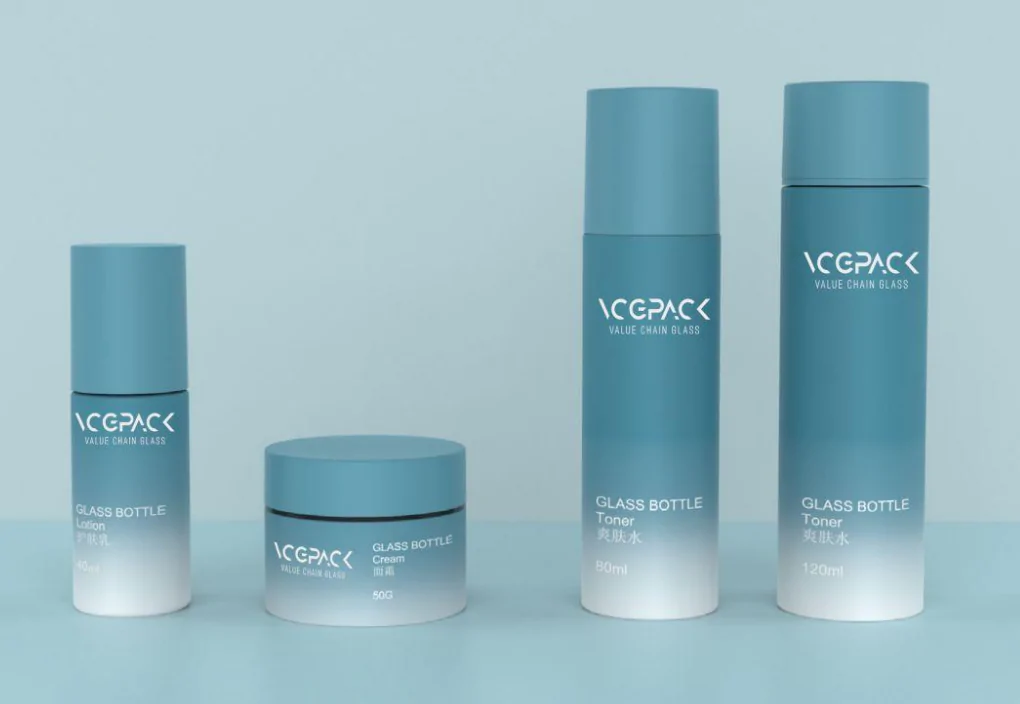
With digital workflows, brands can efficiently produce limited editions, seasonal designs, or even one-off pieces. This level of personalization is especially valuable in the beverage, cosmetics, and promotional product sectors, where unique packaging helps products stand out on crowded shelves. For inspiration on creative applications, see our article on glass wall art ideas for contemporary spaces.
Sustainability and Eco-Conscious Production
As environmental concerns grow, manufacturers are seeking greener alternatives in both materials and processes. Digital printing supports sustainability by minimizing waste—there’s no need for screens or plates, and ink usage is highly efficient. Many companies are also investing in recyclable glass packaging and water-based or UV-curable inks that reduce environmental impact.
Integration with Smart Technologies
Another exciting trend is the fusion of digital glass printing with smart features. For example, QR codes, NFC tags, or other scannable elements can be printed directly onto glass surfaces, enabling interactive experiences for consumers. This opens up opportunities for product authentication, traceability, and enhanced brand engagement.
Applications Expanding Across Industries
The versatility of digital glass decoration is fueling its adoption in a wide range of sectors. Some of the most prominent applications include:
- Architectural glass: Custom-printed panels for facades, partitions, and interior design elements offer both aesthetic and functional benefits, such as privacy or solar control.
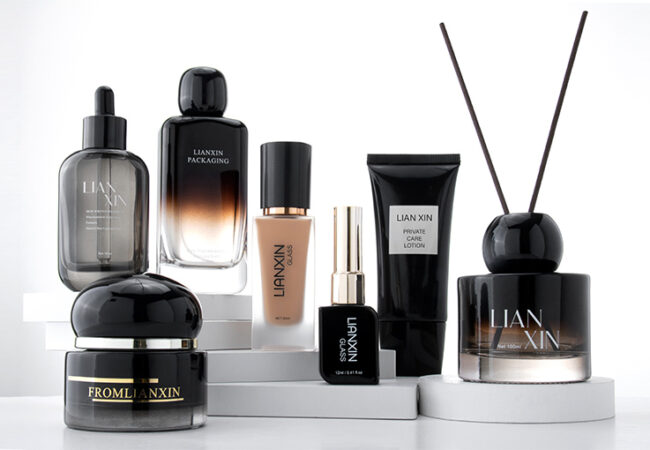
- Packaging: Bottles and jars for beverages, cosmetics, and food products can be uniquely branded and decorated in small or large quantities.
- Memorial and commemorative products: Digital methods allow for detailed, photo-quality images on glass plaques and keepsakes. For more on this, visit our feature on printed glass memorial products.
- Public and commercial art: Large-scale installations and signage benefit from the durability and design flexibility of digital glass printing. Explore more in our article on public art on glass installations.
Challenges and Opportunities Ahead
While the outlook for digital glass printing is promising, there are still challenges to address. Achieving consistent adhesion and durability of prints on different glass types requires careful selection of inks and pre-treatment processes. Additionally, as demand for high-speed, high-volume production grows, manufacturers must balance quality with efficiency.
On the opportunity side, the ability to print complex, multi-layered designs—including gradients, textures, and even functional coatings—means that glass can serve not just as a decorative surface, but as an active component in smart buildings, displays, and packaging. The ongoing development of new printheads, curing systems, and software tools will further expand the creative and commercial potential of this technology.
For a closer look at how digital methods are being used in manufacturing and technology, see our overview of industrial glass printing uses.
How Digital Printing Is Shaping the Glass Industry’s Future
The shift toward digital methods is not just a technical evolution—it’s transforming business models and customer expectations. Shorter lead times, lower minimum order quantities, and the ability to rapidly prototype new designs are making glass products more accessible to small brands and independent artists. At the same time, large manufacturers benefit from streamlined workflows and the flexibility to respond quickly to market trends.
Industry experts predict that as costs continue to decrease and print quality improves, digital glass printing will become the standard for a wide range of applications. The technology’s adaptability also positions it well for integration with future innovations, such as smart packaging and interactive displays.
For more details on the technical aspects and real-world applications, the resource on printing onto glass with advanced digital solutions provides an in-depth look at current capabilities and use cases.
FAQ: Digital Glass Printing and Its Future
What are the main benefits of digital glass printing over traditional methods?
Digital techniques offer greater flexibility, faster turnaround times, and the ability to produce highly detailed, full-color images without the need for screens or plates. They also support short runs and variable data, making them ideal for personalized or limited-edition products.
Is digital glass printing environmentally friendly?
Yes, modern digital processes are designed to minimize waste and use eco-friendly inks. UV-curable and water-based inks reduce emissions, and the lack of physical screens or plates means less material is consumed overall.
Can digital printing be used on all types of glass?
Most flat and shaped glass can be printed digitally, but results may vary depending on the glass composition and surface treatment. Pre-treatment steps, such as cleaning or applying primers, are often used to ensure optimal adhesion and durability.
How is digital glass printing used in architecture and design?
Architects and designers use digital methods to create custom facades, partitions, and decorative panels. The technology allows for intricate patterns, gradients, and even functional coatings that enhance privacy or control light transmission.
Conclusion
The ongoing advancement of digital glass printing technology is opening up new creative and commercial opportunities across industries. As the technology matures, expect to see even more innovative applications, improved sustainability, and greater accessibility for businesses of all sizes. Staying informed about these trends will help designers, manufacturers, and brands make the most of what digital glass printing has to offer in the years ahead.