Graphic design for glass printing is a specialized field that blends creativity with technical know-how. Whether you’re designing for bottles, décor, or industrial applications, understanding the unique challenges of printing on glass can make the difference between a stunning finished product and a disappointing result. This guide explores essential strategies, practical tips, and common pitfalls to help you create effective, eye-catching designs for glass surfaces.
From choosing the right colors and file formats to preparing artwork for various printing methods, mastering these techniques will ensure your designs look sharp and professional. If you’re interested in learning about common mistakes in glass printing and how to avoid them, check out our in-depth resource for additional insights.
Understanding the Unique Nature of Glass Surfaces
Unlike paper or fabric, glass is non-porous, smooth, and often transparent. These characteristics affect how inks and graphics adhere, how colors appear, and how light interacts with the finished print. When working on graphic design for glass printing, it’s crucial to anticipate these factors from the start of your design process.
- Transparency: Glass allows light to pass through, which can change the perceived color and opacity of your design. Consider using opaque inks or adding a white underbase to maintain color vibrancy.
- Surface Smoothness: The slick surface of glass can cause ink to spread or bead. Designs with fine lines or intricate details may require adjustments for clarity.
- Durability: Printed glass items often need to withstand washing, handling, or outdoor exposure. Choose design elements and colors that remain legible and attractive over time.
Choosing the Right Colors and Inks for Glass
Color selection is a critical aspect of designing for glass. Because the substrate is often clear or lightly tinted, colors can appear lighter or more transparent than on opaque materials. Here are some expert tips for color management:
- Use Bold, High-Contrast Colors: Subtle shades may get lost or appear washed out. Strong contrasts help your design stand out, especially on clear or colored glass.
- Consider White Ink Layers: Adding a white underbase behind your design can make colors pop and improve readability. This is especially important for logos or text.
- Test for Opacity: Always request a test print or proof to see how your colors behave on the actual glass surface.
For more details on the technical process, see this comprehensive explanation of how glass printing works.
Preparing Artwork Files for Glass Printing
Proper file preparation is essential for achieving crisp, accurate results. Here’s what to keep in mind when preparing your digital files:
- Use Vector Graphics: Whenever possible, create your artwork in vector format (such as .AI, .EPS, or .SVG). Vectors scale cleanly and are ideal for sharp lines and text.
- Set Correct Resolution: For raster images, use at least 300 DPI at actual print size to avoid pixelation.
- Convert Text to Outlines: This prevents font issues during production and ensures your typography prints as intended.
- Include Bleed and Safe Zones: Add extra space around the edges for trimming and avoid placing important elements too close to the edge.

Design Considerations for Different Glass Printing Methods
There are several ways to transfer graphics onto glass, each with its own requirements and best practices. The most common methods include screen printing, digital UV printing, and etching. Understanding these techniques will help you tailor your designs for optimal results.
Screen Printing on Glass
Screen printing is ideal for bold, simple graphics and solid colors. It’s widely used for bottles, jars, and promotional items. When designing for screen printing:
- Limit the number of colors to reduce complexity and cost.
- Use thick lines and avoid extremely fine details.
- Ensure all elements are separated by enough space to prevent ink bleeding.
Digital UV Printing
UV printing allows for full-color, high-resolution images directly onto glass. This method is suitable for intricate artwork, gradients, and photographic images. For UV printing:
- Take advantage of the ability to print gradients and fine details.
- Include a white ink layer if printing on clear or colored glass.
- Double-check color profiles to ensure accurate reproduction.
Etching and Frosting
Etched or frosted glass designs are created by removing a thin layer of the glass surface, resulting in a matte, translucent effect. For these techniques:
- Use high-contrast, simple graphics for best visibility.
- Keep in mind that etched areas will appear lighter and less vibrant than printed inks.
- Combine etching with printed elements for unique effects.
Optimizing Layout and Readability
Glass objects come in many shapes and sizes, from flat panels to curved bottles. Adapting your design to fit the intended surface is essential for both aesthetics and legibility.
- Account for Curvature: On bottles or jars, avoid placing important details near the edges where distortion can occur.
- Maintain Adequate Contrast: Ensure text and graphics stand out against the glass color or background.
- Test at Actual Size: Print a paper mockup and wrap it around the glass item to check alignment and scale.
Practical Tips for Professional Results
To achieve the best possible outcome in graphic design for glass printing, keep these additional tips in mind:
- Communicate with your printer or manufacturer early in the process to understand their requirements and limitations.
- Request physical samples or proofs before full production.
- Stay updated on new materials and printing technologies that may expand your creative options.
Applications and Inspiration for Glass Printing Design
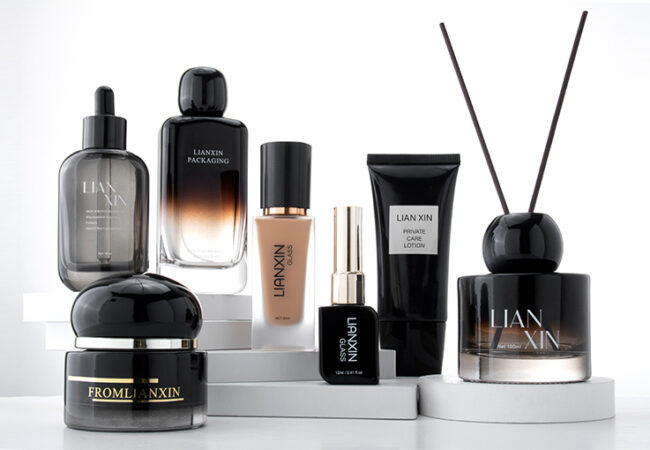
Designing for glass opens up creative opportunities across many industries. From custom drinkware and perfume bottles to architectural panels and memorial products, the possibilities are vast. For more inspiration, explore ideas for contemporary glass wall art or discover how printed glass memorial products create lasting tributes.
Industrial and public art projects also benefit from thoughtful design. Learn about industrial glass printing uses in manufacturing and technology, or see how public art on glass installations transform large-scale spaces.
Frequently Asked Questions
What file formats are best for glass printing?
Vector formats like .AI, .EPS, or .SVG are ideal, as they ensure crisp lines and scalability. For photographic images, use high-resolution .PNG or .TIFF files at 300 DPI or higher.
How do I make colors stand out on clear glass?
Use a white ink underbase behind your design to enhance color vibrancy and opacity. Bold, high-contrast colors also help your artwork remain visible and striking.
Can I print detailed images on curved glass surfaces?
Yes, but it’s important to adapt your design for the specific shape. Avoid placing fine details near curves or edges, and always test your layout at actual size to ensure clarity and alignment.