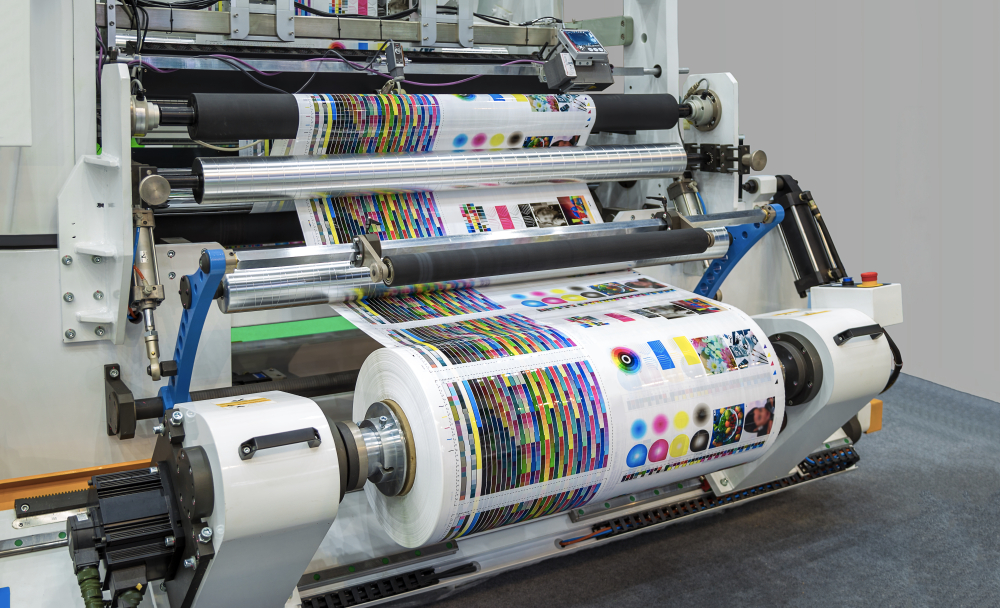

As brands and manufacturers seek to reduce their environmental impact, the demand for sustainable ink options for corrugated boxes and retail displays has grown rapidly. Choosing the right eco-friendly inks not only supports greener packaging but can also enhance brand reputation, meet regulatory requirements, and appeal to environmentally conscious consumers. This article explores the leading alternatives to conventional inks, their benefits, and what to consider when selecting the best solution for your packaging needs.
For those interested in broader eco-printing innovations, you may also want to review our guide to solvent-free printing processes, which covers additional ways to reduce the environmental footprint of packaging production.
Why Eco-Friendly Inks Matter in Corrugated Packaging
Traditional inks used in packaging often contain volatile organic compounds (VOCs), heavy metals, and petroleum-based solvents. These substances can be harmful to both the environment and human health. When corrugated boxes are recycled or composted, residual ink can contaminate the recycling stream or soil. By switching to sustainable ink options for corrugated boxes, companies can significantly reduce these risks and support a circular economy.
Eco-friendly inks are designed to minimize environmental impact throughout their lifecycle. They are made from renewable resources, have lower emissions, and are easier to remove during recycling. This shift is not just a trend—it’s becoming an industry standard as more companies commit to sustainability goals and as regulations tighten worldwide.
Types of Sustainable Inks for Corrugated Boxes
Several types of environmentally responsible inks are now available for use on corrugated substrates. Each has unique properties, advantages, and considerations:
- Water-Based Inks: These are among the most popular choices for sustainable packaging. Water replaces most of the solvents, resulting in low VOC emissions and safer working conditions. Water-based inks are ideal for flexographic and digital printing on corrugated materials.
- Vegetable-Based Inks: Derived from renewable oils such as soy, linseed, or corn, these inks reduce reliance on petroleum and offer improved biodegradability. They often provide vibrant colors and are compatible with a variety of printing processes.
- UV-Curable Inks: While not always bio-based, UV inks cure instantly under ultraviolet light, minimizing waste and energy use. Many modern UV inks are formulated with fewer hazardous substances, making them a cleaner option for high-speed production.
- Algae-Based Inks: An emerging innovation, these inks use algae as a pigment source. They have a much lower carbon footprint and are highly renewable, though they are currently less common in large-scale packaging applications.
Key Benefits of Using Sustainable Ink Solutions
Switching to environmentally friendly ink for corrugated packaging offers several tangible benefits:
- Reduced Environmental Impact: Lower VOC emissions, less hazardous waste, and improved recyclability of packaging materials.
- Health and Safety: Safer for workers due to fewer toxic chemicals and improved indoor air quality in production facilities.
- Brand Image: Demonstrates a commitment to sustainability, which can attract eco-conscious consumers and business partners.
- Regulatory Compliance: Helps meet or exceed environmental regulations in many regions, reducing the risk of fines or restrictions.
- Performance: Many sustainable inks now match or exceed the print quality and durability of traditional inks, making them a practical choice for demanding applications.
How to Choose the Right Eco-Friendly Ink for Your Application
When evaluating sustainable ink options for corrugated boxes, consider the following factors to ensure the best fit for your needs:
- Printing Process Compatibility: Not all inks are suitable for every printing method. Water-based inks are excellent for flexo and digital, while UV-curable inks are preferred for high-speed or specialty applications.
- Substrate Requirements: Some inks perform better on certain types of corrugated board or coatings. Test adhesion, color vibrancy, and drying times.
- End-Use and Recyclability: If the box will be recycled or composted, choose inks that are easy to de-ink and do not introduce contaminants.
- Certifications: Look for inks that are certified by recognized organizations (such as SoySeal, Cradle to Cradle, or FSC) to ensure environmental claims are credible.
- Cost and Availability: While sustainable inks are increasingly cost-competitive, availability can vary by region and supplier.
Recent Innovations in Green Ink Technology
The packaging industry continues to evolve with new developments in sustainable printing. For instance, research into biodegradable and compostable inks is making it possible to create packaging that leaves no harmful residue at end-of-life. Advances in pigment sourcing, such as algae-based and mineral-based colors, further reduce resource consumption and carbon footprint.
Automation and digitalization are also playing a role. As highlighted in the future of print and packaging, digital presses can precisely control ink usage, minimize waste, and enable rapid changeovers between jobs, all of which support sustainability goals.
Best Practices for Implementing Sustainable Printing on Corrugated Displays
Adopting greener ink solutions is most effective when paired with other sustainable packaging practices. Here are some best practices to consider:
- Work with Knowledgeable Suppliers: Choose partners who understand eco-friendly inks and can help you test and optimize for your specific packaging needs.
- Train Staff: Ensure your production team is familiar with the handling, storage, and cleanup of new ink types.
- Monitor Performance: Regularly review print quality, drying times, and recyclability to ensure your chosen ink meets expectations.
- Stay Informed: Keep up with the latest developments in sustainable packaging, such as the how to achieve photographic quality on corrugated flutes guide, to leverage new techniques and materials as they become available.
Frequently Asked Questions
Are water-based inks suitable for all types of corrugated packaging?
Water-based inks are highly versatile and work well on most uncoated and lightly coated corrugated boards. However, for heavily coated or specialty substrates, additional testing may be required to ensure optimal adhesion and color performance.
How do sustainable inks affect the recyclability of corrugated boxes?
Eco-friendly inks are designed to be easily removed during the recycling process and do not introduce harmful substances into the recycled material. This makes them an excellent choice for companies aiming to maximize the recyclability of their packaging.
What certifications should I look for when choosing green inks?
Look for certifications such as SoySeal for soy-based inks, Cradle to Cradle for overall sustainability, and FSC for responsible sourcing. These certifications help verify that the inks meet recognized environmental standards.
Conclusion
Choosing the right sustainable ink options for corrugated boxes is a practical step toward more responsible packaging. With a range of water-based, vegetable-based, UV-curable, and emerging algae-based inks available, brands can find solutions that meet both their performance and environmental goals. By staying informed and working with experienced suppliers, companies can ensure their packaging stands out for both its quality and its commitment to sustainability.