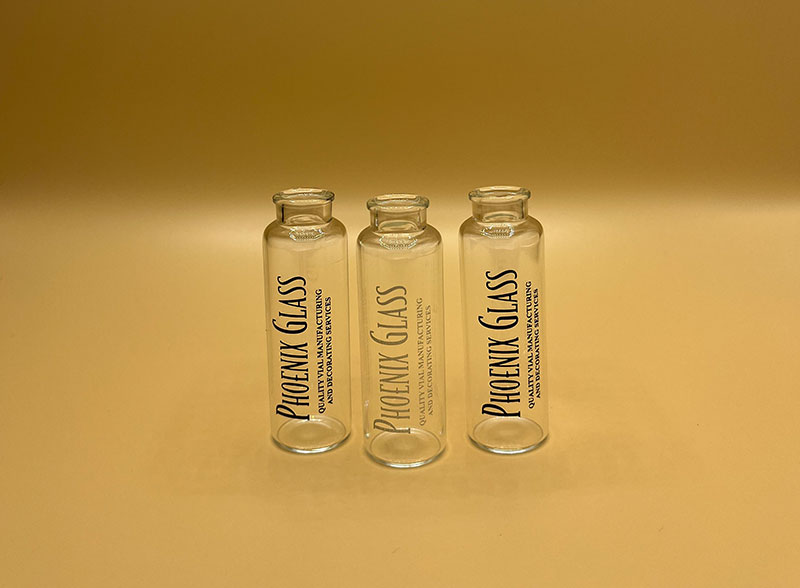

Printing on clear glass has become a cornerstone of modern design, packaging, and branding. From luxury cosmetics bottles to architectural features, the ability to transfer vivid graphics or subtle etching onto glass surfaces opens up creative and commercial opportunities. Understanding the main transparent glass printing methods and how to apply them effectively is essential for anyone working in product design, manufacturing, or custom decoration.
This article explores the leading techniques for decorating clear glass, the strengths and limitations of each approach, and the best practices to ensure crisp, durable results. Whether you’re a business owner, designer, or hobbyist, you’ll find practical guidance to help you choose the right process for your needs and avoid common pitfalls.
Before diving into the various techniques, it’s worth reviewing some common mistakes in glass printing that can impact quality and efficiency. By understanding these issues early, you can save time and resources as you explore the best way to print on transparent glass surfaces.
Overview of Key Transparent Glass Printing Methods
There are several established approaches for adding graphics, text, or patterns to clear glass. Each technique offers unique benefits and is suited to different applications. Below, we outline the most widely used processes:
- Screen Printing: Ideal for bold, opaque designs and high-volume runs.
- Digital UV Printing: Enables full-color, photo-quality images with excellent detail.
- Glass Etching: Produces a frosted, permanent finish for subtle branding or decoration.
- Pad Printing: Suitable for small, curved, or irregular glass items.
- Decal Transfer: Allows for intricate, multi-color designs and custom effects.
Each of these methods can be adapted to suit different types of glassware, from perfume bottles to architectural panels. The choice depends on factors like production scale, design complexity, durability requirements, and budget.
Screen Printing on Clear Glass
Screen printing is a traditional yet highly effective process for decorating transparent glass. It involves pushing ink through a mesh stencil onto the glass surface, creating bold, opaque graphics. This method is especially popular for branding bottles, jars, and drinkware.
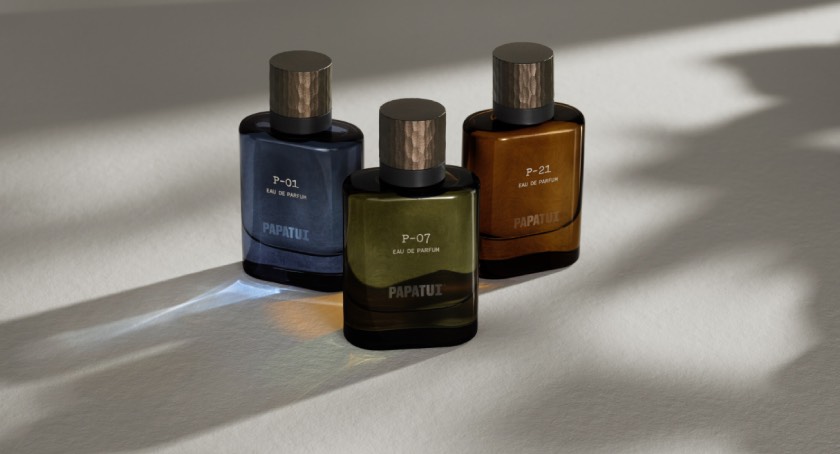
Advantages: Screen printing delivers vibrant, long-lasting results. Specialized inks can be cured for dishwasher resistance and UV stability. The process is cost-effective for medium to large production runs.
Best Practices:
- Ensure the glass is clean and free of oils or dust before printing.
- Use high-quality, glass-compatible inks for optimal adhesion.
- Employ precise registration for multi-color designs.
- Consider post-print curing (thermal or UV) to enhance durability.
For more in-depth guidance, review the comprehensive guide to printing onto glass from industry experts.
Digital UV Printing for Transparent Surfaces
Digital UV printing has revolutionized glass decoration by enabling full-color, high-resolution images to be printed directly onto clear surfaces. This method uses UV-curable inks that bond instantly to glass when exposed to ultraviolet light.
Advantages: Digital UV printing is perfect for short runs, prototyping, or highly detailed artwork. It supports variable data (such as serial numbers or personalization) and can print on flat or slightly curved glass items.
Best Practices:
- Pre-treat glass with adhesion promoters if required by the ink system.
- Calibrate the printer for glass thickness and transparency to avoid color shifts.
- Test ink adhesion and scratch resistance before full production.
This approach is especially valuable for smart device glass printing and custom branding projects where flexibility and image quality are priorities.
Etching and Frosting Techniques
Etching provides a permanent, frosted effect on clear glass. It can be achieved chemically (using etching creams) or by abrasive blasting. This process is ideal for subtle logos, decorative patterns, or privacy panels.
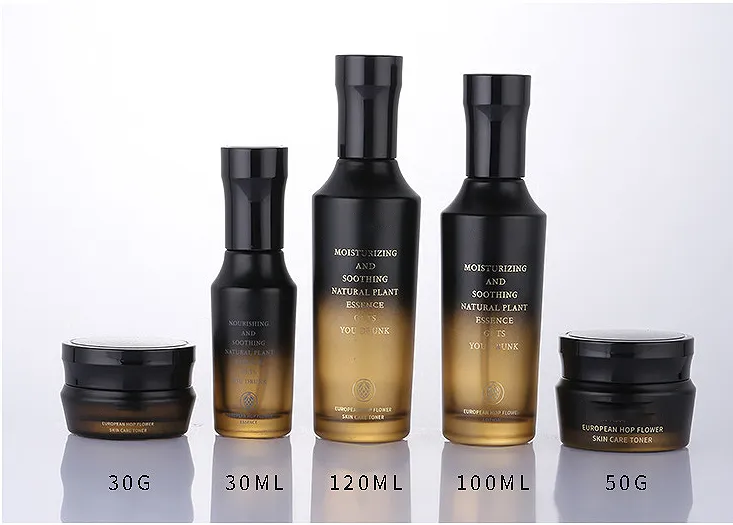
Advantages: Etched designs are highly durable and resistant to wear. They offer a premium, understated look that is popular in luxury packaging and interior glass applications.
Best Practices:
- Use stencils or masking tape to define sharp edges.
- Apply etching cream evenly and follow manufacturer instructions for timing and safety.
- Rinse thoroughly to remove all residue after etching.
Etching is also commonly used in high end interior glass applications for privacy and decorative effects.
Other Techniques for Printing on Clear Glass
Besides the main processes above, there are additional methods worth considering:
- Pad Printing: This approach uses a silicone pad to transfer ink from an etched plate to the glass surface. It’s ideal for small or irregularly shaped items, such as bottle caps or curved vials.
- Decal Transfer: Water-slide or ceramic decals can be printed, applied to glass, and then fired or cured for permanence. This is useful for intricate, multi-color designs that are difficult to achieve with direct printing.
For vibrant, colored effects, explore colored glass decoration methods that combine printing with tinting or coating techniques.
Best Practices for Consistent, High-Quality Results
Regardless of the method chosen, following these best practices will help ensure your printed glass projects meet professional standards:
- Surface Preparation: Always clean glass thoroughly to remove dust, grease, or fingerprints. Even minor contamination can cause ink or etch to fail.
- Material Compatibility: Use inks, adhesives, or etching products specifically formulated for glass to ensure strong adhesion and longevity.
- Test First: Before full production, test your process on sample pieces to check for color accuracy, adhesion, and durability.
- Environmental Controls: Maintain stable temperature and humidity in your workspace to avoid issues like ink drying too quickly or condensation on glass.
- Post-Processing: For printed items, consider curing (thermal or UV) to enhance scratch and chemical resistance. For etched glass, rinse and dry thoroughly.
Attention to detail at every stage—from design to finishing—will help you achieve crisp, professional results that stand out in any application.
Applications and Trends in Transparent Glass Decoration
The use of advanced glass printing techniques is growing across industries. In packaging, brands leverage these processes to create distinctive bottles and jars that communicate quality and innovation. In architecture and interiors, printed and etched glass panels add privacy, branding, or decorative flair to spaces. The rise of digital printing has also enabled branding opportunities with printed glass displays and smart device covers.
As technology evolves, expect to see even more creative uses of transparent glass decoration, including interactive displays, anti-counterfeit features, and sustainable ink systems.
FAQ: Transparent Glass Printing Techniques
What is the most durable method for printing on clear glass?
Screen printing with glass-specific inks and proper curing delivers highly durable results, suitable for items exposed to washing or handling. Chemical etching also offers permanent, wear-resistant decoration.
Can you print full-color images on transparent glass?
Yes, digital UV printing enables high-resolution, full-color images to be printed directly onto glass. This method is ideal for detailed artwork, gradients, and photographic effects.
How do you prevent ink from peeling or fading on glass?
Proper surface preparation is essential. Clean the glass thoroughly and use inks formulated for glass. Post-print curing (thermal or UV) further enhances adhesion and resistance to fading or scratching.
Are there eco-friendly options for glass printing?
Many manufacturers now offer low-VOC, water-based, or UV-curable inks that reduce environmental impact. Digital printing also minimizes waste compared to traditional processes.
What are common mistakes to avoid when printing on glass?
Skipping surface cleaning, using incompatible inks, and neglecting curing can all lead to poor results. For more tips, see our guide on common mistakes in glass printing.