The durability of printed glass is a key concern for businesses, designers, and consumers who rely on this technology for branding, decoration, and product packaging. Understanding the glass printing lifespan helps set realistic expectations for maintenance, appearance, and long-term value. Whether you’re considering custom glassware, architectural panels, or decorative bottles, knowing how long the print will last is crucial for making informed decisions.
Several factors influence how well printed designs hold up over time. The type of ink, printing method, glass surface preparation, and environmental exposure all play significant roles. By exploring these aspects, you can maximize the longevity of your printed glass and ensure it continues to look its best for years to come.
For those interested in avoiding common pitfalls, reviewing common mistakes in glass printing can be a valuable first step. This resource provides practical tips to help ensure your printed glass projects achieve the best possible results.
What Determines the Longevity of Printed Glass?
The expected lifespan of glass printing is shaped by a combination of materials, technology, and usage. Here are the primary factors that affect how long printed designs remain vibrant and intact:
- Printing Method: Techniques such as screen printing, digital UV printing, and ceramic frit printing each have different durability profiles. Ceramic frit, for example, is fused into the glass during tempering, making it extremely permanent.
- Ink Type: Organic inks may fade faster than inorganic or ceramic-based inks, especially when exposed to sunlight or harsh cleaning chemicals.
- Surface Preparation: Proper cleaning and pre-treatment of the glass ensure better ink adhesion, reducing the risk of peeling or fading.
- Environmental Exposure: Outdoor installations face UV light, moisture, and temperature changes, all of which can accelerate wear. Indoor glass printing typically lasts longer due to gentler conditions.
- Maintenance: Gentle cleaning with non-abrasive products preserves the print, while harsh scrubbing or strong solvents can cause premature deterioration.
Average Durability of Different Glass Printing Techniques
Not all printed glass is created equal. The method used has a direct impact on how long the print will last:
| Printing Method | Typical Lifespan | Best Use Cases |
|---|---|---|
| Screen Printing | 5–10 years (indoor), 3–7 years (outdoor) | Drinkware, bottles, signage |
| Digital UV Printing | 3–8 years (indoor), 2–5 years (outdoor) | Decorative panels, custom glassware |
| Ceramic Frit Printing | Decades (often as long as the glass itself) | Architectural glass, building facades |
| Etching & Sandblasting | Permanent | Logos, patterns, privacy glass |
For architectural or luxury interior applications, ceramic frit and etching are preferred for their exceptional durability. If you want inspiration for high-end uses, see these impressive ideas for glass in luxury interior design.
How to Maximize the Lifespan of Printed Glass
To get the most out of your printed glass, consider these practical steps:
- Choose the Right Printing Method: Match the technique to your intended use. For outdoor or high-traffic areas, opt for ceramic frit or etched designs.
- Proper Care: Clean with mild soap and water. Avoid abrasive pads or harsh chemicals that can erode the print layer.
- UV Protection: For items exposed to sunlight, request UV-resistant inks or coatings to slow fading.
- Handle with Care: Minimize impact and scratching, as physical damage can compromise both the glass and its printed design.
For those exploring creative branding, check out branding opportunities with printed glass for ideas on how to use this medium effectively while maintaining durability.
Common Signs of Print Wear and How to Address Them
Even the most durable printed glass will eventually show signs of aging. Here are some typical indicators and what you can do:
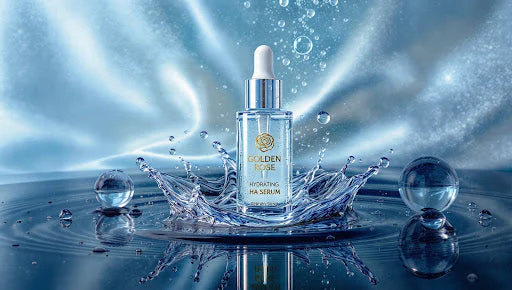
- Fading: Colors lose vibrancy, especially with UV exposure. This is most common with organic inks and outdoor installations.
- Peeling or Flaking: Poor adhesion or frequent washing can cause the print to lift from the glass. This is more likely if the surface was not properly prepared.
- Scratching: Physical abrasion from rough handling or cleaning tools can damage the print layer.
To address these issues, consider professional touch-ups or, in some cases, reprinting. For high-value items, protective coatings or laminates can extend the usable life of the print.
If you’re working with technology products, smart device glass printing offers insights into advanced coatings and precision techniques that can improve both appearance and longevity.
Industry Applications and Expected Lifespans
The expected durability of printed glass varies by industry and use case:
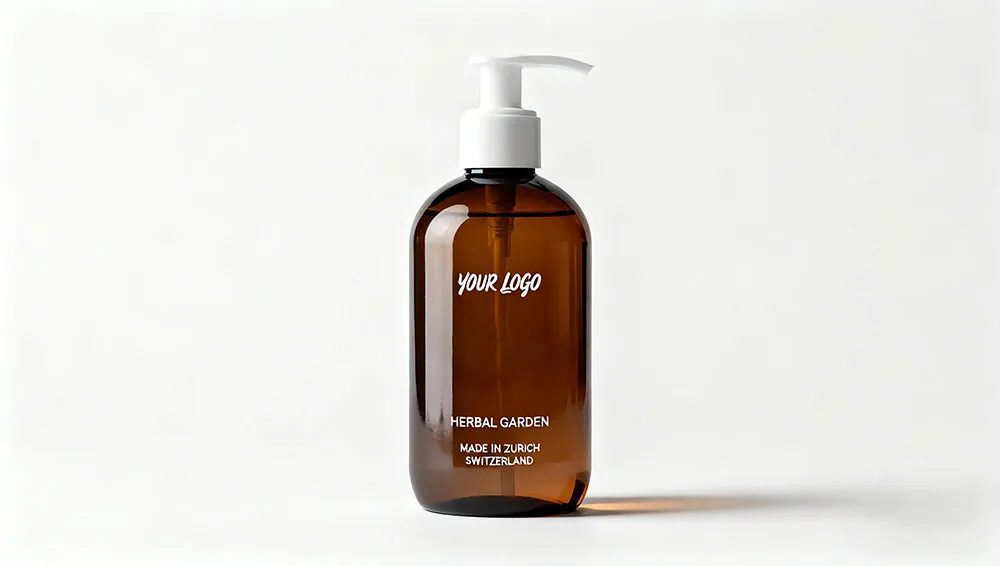
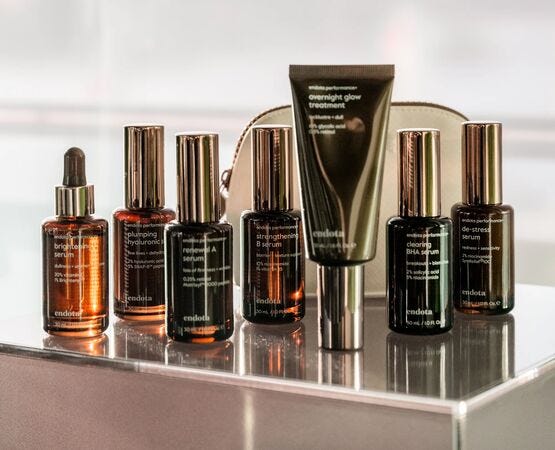
- Packaging & Bottles: Most printed bottles and jars use screen printing or UV methods. With proper care, prints can last the entire shelf life of the product, typically 2–5 years.
- Architectural Glass: Ceramic frit and etched glass are chosen for their ability to withstand decades of exposure, making them ideal for facades, partitions, and decorative panels.
- Consumer Products: Drinkware, awards, and decorative items often use UV or screen printing. Lifespans vary from a few years to a decade, depending on care and exposure.
- Industrial Uses: For technical or manufacturing applications, durability is critical. Learn more about industrial glass printing uses and how specialized coatings can extend performance.
Enhancing Color and Detail Retention
Maintaining the original look of printed glass is a top priority for many users. Here are strategies to preserve both color and detail:
- Opt for High-Quality Inks: Inorganic pigments and ceramic-based inks resist fading better than organic alternatives.
- Request Protective Coatings: Some printers offer clear UV-blocking or scratch-resistant coatings to shield the print.
- Store Properly: Keep printed glass away from direct sunlight and extreme temperatures when not in use.
- Limit Chemical Exposure: Avoid contact with strong acids, alkalis, or solvents that can break down ink layers.
For those interested in decorative color effects, colored glass decoration methods explores techniques that combine beauty with lasting performance.
Frequently Asked Questions
How long does printed glass typically last indoors?
When used indoors and cared for properly, printed glass created with screen or UV printing methods can last between 5 and 10 years. Ceramic frit and etched designs often remain vibrant for decades, as they are more resistant to fading and wear.
Can printed glass be used outdoors?
Yes, but the lifespan of printed glass outdoors depends on the printing method and environmental conditions. Ceramic frit and etching are best for outdoor use, often lasting as long as the glass itself. UV and screen-printed designs may fade or degrade within 2–7 years if exposed to direct sunlight and weather.
What maintenance is recommended to extend the life of printed glass?
Use mild, non-abrasive cleaners and soft cloths. Avoid harsh chemicals, abrasive pads, and frequent exposure to direct sunlight. For maximum longevity, request UV-resistant inks or coatings when ordering custom printed glass.
Is it possible to restore faded or damaged prints on glass?
Some minor fading or scratching can be improved with professional restoration or touch-up services. However, severe damage usually requires reprinting or replacement, especially for consumer products or branding applications.