
Colored glass printing has become a dynamic field, offering creative solutions for both functional and decorative needs. From branding opportunities to interior design, the range of uses for printed colored glass continues to expand. Whether you’re a designer, manufacturer, or hobbyist, understanding the possibilities and techniques behind these applications can help you unlock new potential for your projects.
In this article, we’ll explore the most popular colored glass printing applications, discuss design strategies, and provide practical tips for achieving vibrant, durable results. We’ll also highlight common pitfalls, showcase inspiring examples, and answer frequently asked questions to help you get started or refine your approach.
For those interested in avoiding typical setbacks, our guide on common mistakes in glass printing provides actionable advice to ensure your results are professional and long-lasting.
Key Uses for Printed Colored Glass
The versatility of colored glass printing applications spans across industries and environments. Here are some of the most impactful uses:
- Branding and Packaging: Custom-printed glass bottles, jars, and containers help brands stand out on shelves and reinforce identity.
- Interior Design: Decorative panels, backsplashes, and partitions use printed glass to add color, texture, and privacy to spaces.
- Architectural Features: Facades, balustrades, and windows can incorporate printed designs for both aesthetic and functional purposes.
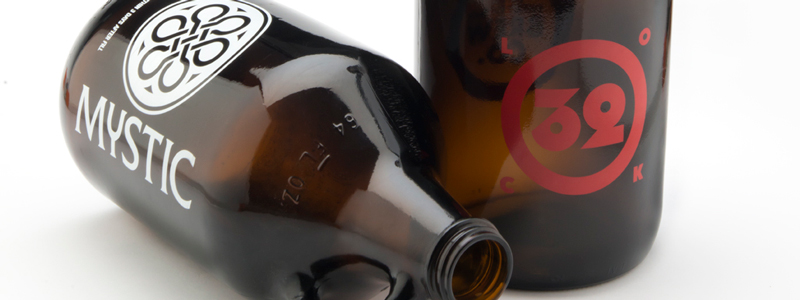
- Promotional Products: Items like growlers, drinkware, and awards are often enhanced with colorful logos and graphics.
- Personalized Gifts: Custom glassware, ornaments, and keepsakes are popular for special occasions and corporate gifting.
For businesses, leveraging branding opportunities with printed glass can create memorable customer experiences and elevate product perception.
Popular Techniques for Printing on Colored Glass
There are several methods for applying designs to colored glass, each with its own advantages:
- Screen Printing: Ideal for bold, opaque colors and high-volume runs. This technique is widely used for bottles, jars, and flat panels.
- Digital UV Printing: Allows for full-color, high-resolution images and gradients. Suitable for short runs and intricate artwork.
- Pad Printing: Effective for printing on curved or irregular surfaces, such as glassware and cosmetic bottles.
- Etching and Sandblasting: Produces a frosted, tactile effect that can be combined with colored glass for subtle, elegant designs.
Each process requires careful surface preparation and ink selection to ensure durability and vibrancy. For more on advanced coatings and smart device applications, see our article on smart device glass printing.
Design Strategies for Vibrant Glass Prints
Creating eye-catching prints on colored glass involves more than just choosing a pattern. Consider these design tips:
- Contrast: Use light inks on dark glass and vice versa to ensure designs are visible and impactful.
- Layering: Combine transparent and opaque inks for depth and dimension.
- Texture: Incorporate frosted or etched elements to add tactile interest.
- Color Harmony: Select ink colors that complement or enhance the base glass color.
- Functional Graphics: Add measurement marks, safety information, or branding elements as needed.
For inspiration on using color in interiors, explore how glass plays a role in luxury interior design and see how designers combine color, light, and pattern.
Showcase: Real-World Examples of Printed Colored Glass
Below are some standout examples of how colored glass printing is transforming products and spaces:
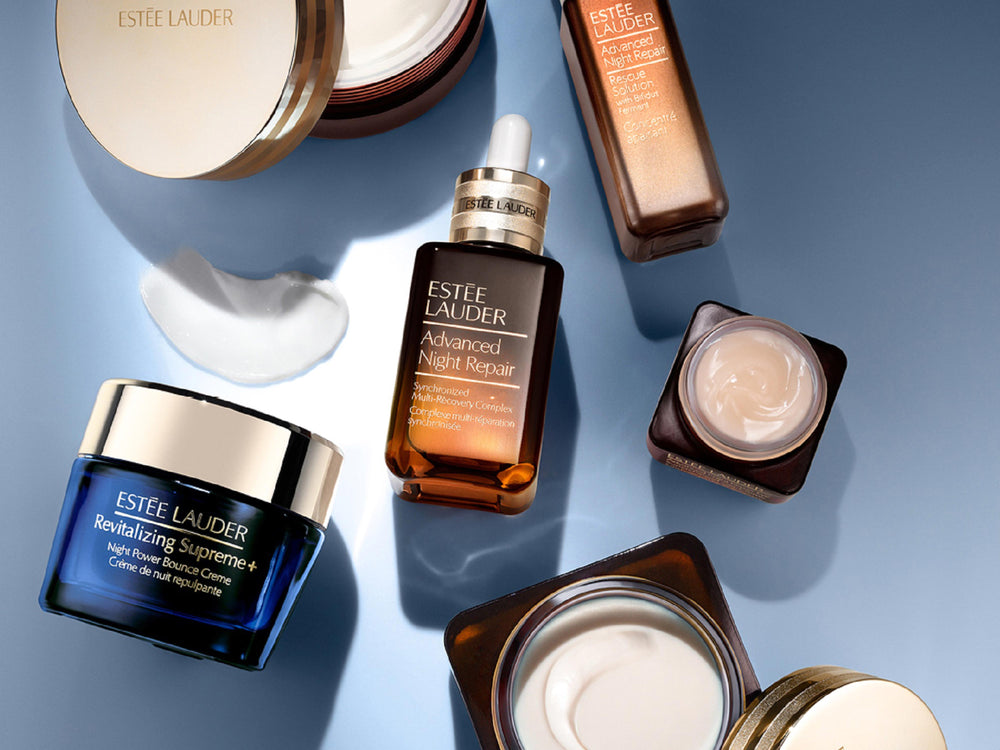
- Cosmetic Bottles: Luxury skincare brands use printed colored glass to convey elegance and differentiate products.
- Drinkware: Breweries and distilleries print logos and artwork on colored growlers and glasses for promotional impact.
- Decorative Jars: Candle and fragrance brands often use colored glass with printed labels for a premium look.
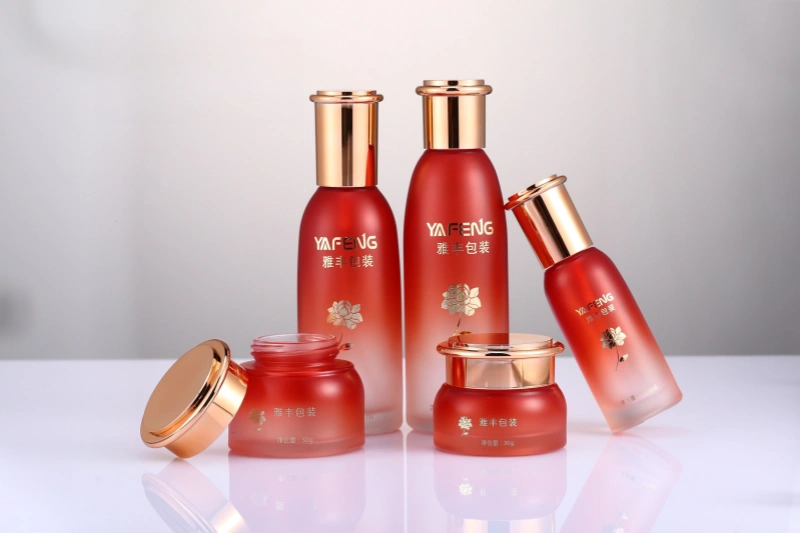
For more creative techniques and color ideas, see our resource on colored glass decoration methods for vibrant spaces.
Tips for Achieving the Best Results
To get the most out of your colored glass printing projects, keep these best practices in mind:
- Surface Cleaning: Thoroughly clean glass to remove oils and dust before printing.
- Ink Compatibility: Choose inks formulated for glass to ensure adhesion and resistance to washing or abrasion.
- Curing: Properly cure printed items—whether by heat, UV, or air drying—to maximize durability.
- Testing: Always test your design on a sample piece to check color accuracy and adhesion.
- Protective Coatings: Consider applying a clear topcoat for extra protection, especially on high-touch items.
For those working in manufacturing or technology, our overview of industrial glass printing uses covers specialized applications and technical considerations.
Frequently Asked Questions
What types of glass are suitable for printing?
Most types of glass can be printed, including soda-lime, borosilicate, and tempered glass. The key is to select a printing method and ink that match the glass’s surface properties and intended use.
How durable are printed designs on colored glass?
When properly applied and cured, printed designs can be highly durable, resisting washing, abrasion, and UV exposure. Using compatible inks and following recommended curing processes are essential for longevity.
Can I print on textured or curved glass surfaces?
Yes, techniques like pad printing and digital UV printing are well-suited for curved or irregular surfaces. For textured glass, testing is recommended to ensure even ink coverage and adhesion.
Is it possible to combine printing with other decoration methods?
Absolutely. Many projects combine screen or digital printing with etching, sandblasting, or metallic foiling to achieve unique effects and layered designs.
Conclusion
The world of colored glass printing applications is rich with creative and commercial opportunities. By understanding the available techniques, design strategies, and best practices, you can produce stunning results that stand out in any setting. Whether you’re enhancing a product line, designing interiors, or crafting personalized gifts, printed colored glass offers a blend of beauty, durability, and versatility that few materials can match.