As consumer expectations evolve, brands are seeking new ways to create memorable experiences through packaging. Trends in interactive packaging design are reshaping how products connect with buyers, offering more than just protection and branding. Today’s packaging is a powerful tool for storytelling, engagement, and even utility, blending technology, creativity, and sustainability to capture attention on crowded shelves.
From QR codes that unlock digital content to tactile finishes and augmented reality, interactive features are becoming essential for brands that want to stand out. Understanding these innovations can help businesses deliver value, foster loyalty, and encourage repeat purchases.
For those interested in material innovation, exploring the trends in wood-grain and natural textures on print can provide further inspiration for enhancing packaging appeal.
Why Interactive Packaging Matters for Modern Brands
Packaging is no longer just a container; it’s a communication channel. As competition intensifies, brands are leveraging interactive elements to:
- Boost consumer engagement by inviting participation and discovery
- Provide added value, such as product information, recipes, or games
- Gather feedback and data for improved personalization
- Encourage social sharing and word-of-mouth marketing
These strategies help brands build deeper relationships with customers, turning a simple purchase into an ongoing conversation.
Emerging Technologies Shaping Packaging Experiences
The latest trends in interactive packaging design are driven by advances in digital technology and print innovation. Some of the most impactful developments include:
- QR Codes and NFC Tags: Quick Response codes and Near Field Communication chips allow consumers to access exclusive content, verify authenticity, or join loyalty programs with a simple scan or tap.
- Augmented Reality (AR): AR-enabled packaging brings products to life, overlaying digital animations, instructions, or games when viewed through a smartphone app.
- Smart Sensors: Some packages now include sensors that monitor freshness, temperature, or tampering, providing real-time updates to both brands and consumers.
- Personalized Print: Digital printing enables short runs and variable data, allowing brands to customize packaging for specific demographics, events, or even individual buyers.
For a deeper dive into how digital technology is transforming packaging, see this comprehensive overview of the future of digital packaging.
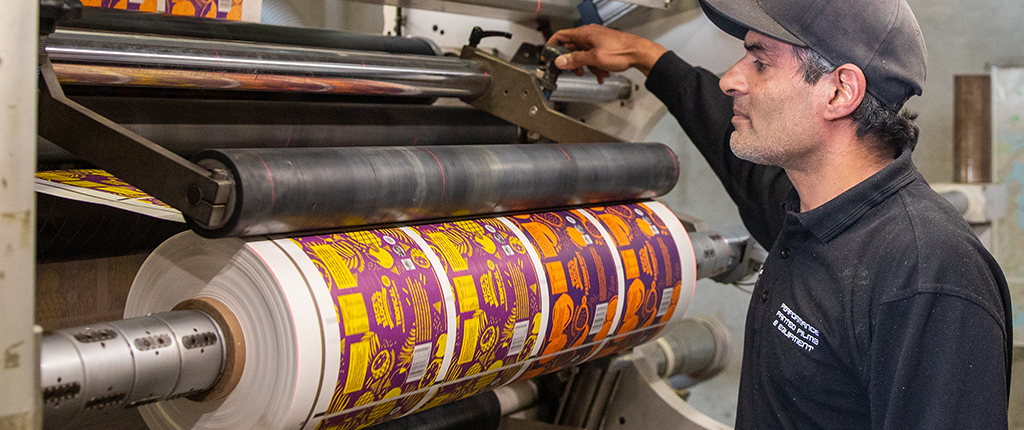
Design Strategies for Enhanced Consumer Engagement
Successful interactive packaging goes beyond technology—it’s about crafting an experience that resonates. Here are some proven approaches:
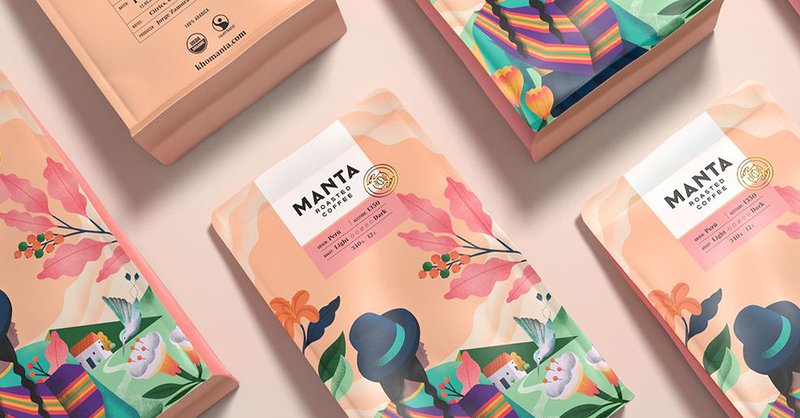
- Storytelling Through Packaging: Use graphics, copy, and interactive elements to share your brand’s story or product journey. This creates an emotional connection and encourages repeat interaction.
- Gamification: Incorporate games, puzzles, or challenges that reward consumers for participation. This not only entertains but also increases time spent with the product.
- Social Integration: Encourage customers to share their experiences on social media by embedding hashtags, photo contests, or user-generated content features.
- Educational Content: Offer tutorials, usage tips, or sustainability information accessible via interactive features. This adds value and builds trust.
These strategies work best when aligned with your target audience’s interests and behaviors, ensuring the interactive elements feel relevant and rewarding.
Material and Print Innovations in Interactive Packaging
Alongside digital enhancements, advances in materials and print processes are enabling new forms of engagement. Some notable developments include:
- Tactile Finishes: Embossing, debossing, and textured coatings invite touch, making the unboxing experience more memorable.
- Thermochromic and Photochromic Inks: These inks change color with heat or light, adding a playful, dynamic element to packaging.
- Eco-Friendly Substrates: Sustainable materials such as recycled paper, bioplastics, and compostable films support environmental messaging and appeal to conscious consumers.
- Solvent-Free Printing: For brands prioritizing sustainability, adopting methods from this guide to solvent-free printing processes can help reduce environmental impact while maintaining quality.
Combining these material innovations with interactive features can set your packaging apart and reinforce your brand values.
Challenges and Considerations for Interactive Packaging
While the benefits are clear, implementing interactive features comes with its own set of challenges:
- Cost: Advanced technologies and custom materials can increase production expenses, especially for small runs.
- Complexity: Integrating digital elements requires coordination between designers, printers, and technology providers.
- User Accessibility: Not all consumers are comfortable with scanning codes or using AR apps, so it’s important to provide clear instructions and alternative ways to access information.
- Data Privacy: Collecting user data through interactive packaging must comply with privacy regulations and be transparently communicated to consumers.
Careful planning and testing can help brands overcome these obstacles and maximize the return on investment.
Looking Ahead: The Future of Engagement Through Packaging
The evolution of packaging is far from over. As new technologies emerge, we can expect even more immersive and personalized experiences. For example, the future of cobots in packaging decoration points to increased automation and precision, enabling mass customization at scale.
Brands that stay ahead of these trends will be well-positioned to capture attention, foster loyalty, and drive growth in an increasingly digital and experience-driven marketplace.
Frequently Asked Questions
What are the main benefits of interactive packaging?
Interactive packaging enhances consumer engagement, delivers added value, and helps brands collect feedback. It can also encourage social sharing, boost loyalty, and differentiate products in a competitive market.
How can small businesses adopt interactive packaging trends?
Small businesses can start with cost-effective solutions like QR codes, personalized print runs, or tactile finishes. Collaborating with experienced printers and designers can help implement these features without exceeding budget constraints.
Are interactive packaging solutions sustainable?
Many interactive packaging innovations are compatible with sustainability goals. For instance, eco-friendly substrates and solvent-free printing methods can be combined with digital features to minimize environmental impact while maximizing engagement.
Conclusion
Staying informed about the latest trends in interactive packaging design is essential for brands aiming to connect with today’s consumers. By blending technology, creative storytelling, and sustainable materials, businesses can transform packaging into a dynamic touchpoint that delights, informs, and inspires action. As the industry continues to innovate, those who embrace these changes will lead the way in building lasting customer relationships.