
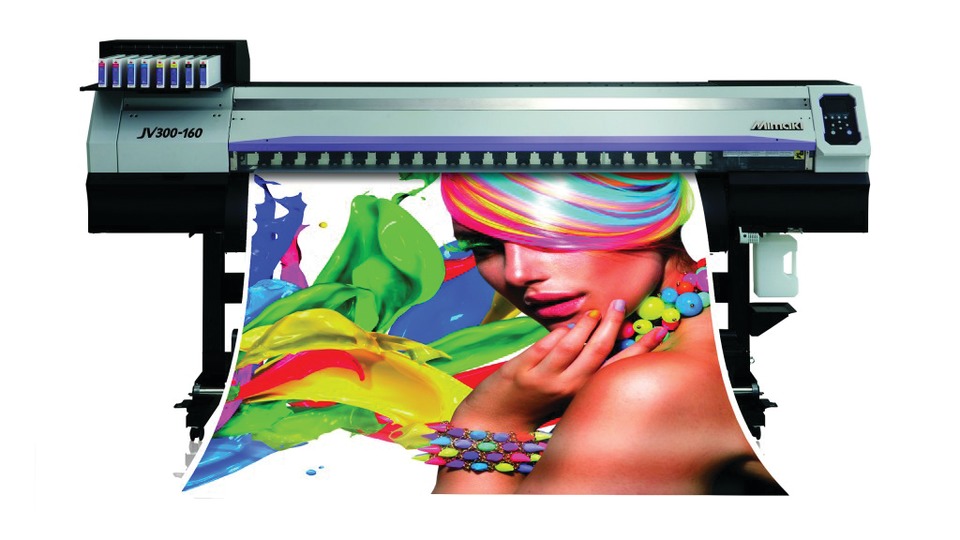

Eco solvent ink has become a popular choice in the wide-format printing industry, especially for those seeking a balance between vibrant output and environmental responsibility. Many print providers and creative professionals wonder: can eco solvent ink print photos with the clarity, color depth, and detail that photographic work demands? This article explores the capabilities of eco solvent inks for photographic reproduction, their advantages and limitations, and how they compare to other ink technologies.
Understanding the strengths and trade-offs of eco solvent printing is crucial for anyone considering it for photo applications. Whether you’re a print shop owner, a designer, or a business evaluating new print solutions, knowing what to expect from this ink type will help you make informed decisions. For those interested in broader sustainable printing options, the guide to solvent-free printing processes offers additional insights into eco-friendly alternatives.
What Is Eco Solvent Ink and How Does It Work?
Eco solvent inks are a type of mild solvent-based ink formulated to be less toxic and more environmentally friendly than traditional solvent inks. They use biodegradable solvents that emit lower levels of volatile organic compounds (VOCs), making them safer for indoor use and reducing their environmental impact.
These inks are primarily used in wide-format printers for applications like banners, vehicle wraps, posters, and signage. Their chemical composition allows for strong adhesion to a variety of coated and uncoated substrates, including vinyl, canvas, and certain papers. The result is durable, weather-resistant prints that can withstand outdoor exposure for extended periods.
Photo Printing Capabilities of Eco Solvent Inks
One of the most common questions is whether eco solvent printers can deliver high-resolution photo prints that rival those produced by aqueous or pigment-based systems. The answer depends on several factors, including printer technology, media selection, and the specific ink formulation.
Modern eco solvent printers are capable of producing images at resolutions up to 1440 dpi or higher, which is sufficient for most photographic applications. The color gamut has also improved significantly, allowing for accurate reproduction of skin tones, gradients, and subtle details. However, there are some nuances to consider when evaluating photo output quality.
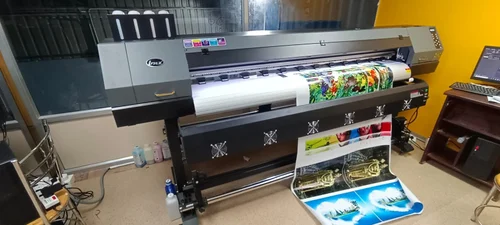
How Eco Solvent Prints Compare to Other Photo Printing Methods
When assessing photo quality with eco solvent ink, it’s helpful to compare it to other common printing technologies:
- Pigment and Dye-Based Inks: These are often used in desktop and professional photo printers. They offer a wider color gamut and finer detail, especially on glossy or specialty photo papers. However, they may lack the outdoor durability of eco solvent prints.
- Latex Inks: Similar in environmental profile, latex inks can also produce high-quality images and are suitable for both indoor and outdoor use. They tend to have a slightly broader color range and faster drying times.
- UV-Curable Inks: These inks cure instantly under UV light and can print on a wide range of substrates. They deliver sharp images but may have a different finish and tactile feel compared to eco solvent prints.
Eco solvent systems excel in producing vibrant, durable graphics on flexible materials. While they may not always match the absolute finest detail of high-end photo printers, the difference is often negligible for most signage, display, and commercial photo applications.
Best Practices for Achieving High-Quality Photo Prints
To maximize the photographic output of eco solvent printers, consider the following tips:
- Choose the Right Media: Use media specifically coated for eco solvent inks. Glossy or satin-finish vinyls and canvases can enhance color vibrancy and sharpness.
- Optimize Print Settings: Set your printer to the highest resolution supported for photo jobs. Adjust color profiles and ink limits to suit your chosen substrate.
- Regular Maintenance: Clean printheads and perform routine maintenance to avoid banding and ensure consistent ink flow. For detailed maintenance steps, refer to this eco solvent printer maintenance guide.
- Color Management: Use ICC profiles tailored to your printer, ink, and media combination for accurate color reproduction.
By following these guidelines, users can achieve results that are suitable for both commercial and artistic photographic displays.
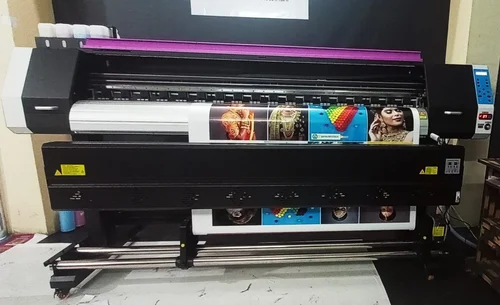
Advantages and Limitations of Eco Solvent Photo Printing
There are several reasons why eco solvent inks are chosen for photographic reproduction, as well as some limitations to keep in mind:
| Advantages | Limitations |
|---|---|
|
|
Applications Where Eco Solvent Photo Printing Excels
Eco solvent technology is well-suited for a variety of photographic and graphic applications, including:
- Large-format photo banners and backdrops
- Photo-quality posters and retail displays
- Canvas photo prints for home or gallery use
- Outdoor event graphics and signage requiring photographic detail
- Vehicle wraps with photographic imagery
For specialty packaging or unique substrates, you may also want to explore what is sublimation printing for specialty packaging to compare other high-quality image transfer methods.
Frequently Asked Questions
Is Eco Solvent Ink Suitable for Professional Photo Prints?
Yes, eco solvent ink can produce professional-looking photo prints, especially for large-format displays, banners, and canvas prints. While it may not match the ultimate detail of high-end pigment printers on glossy photo paper, it delivers excellent results for most commercial and decorative uses.
What Media Should I Use for the Best Photo Results?
For optimal photo quality, choose media specifically coated for eco solvent inks, such as glossy vinyl, satin canvas, or specialty photo papers designed for solvent printing. These substrates enhance color vibrancy and sharpness.
How Does Eco Solvent Ink Compare to Latex or UV Inks for Photos?
Eco solvent, latex, and UV inks all offer durable, vibrant prints. Latex inks may provide a slightly broader color range and faster drying, while UV inks excel on rigid substrates. Eco solvent is a strong choice for flexible media and outdoor photo applications.
Conclusion: Is Eco Solvent Ink Right for Your Photo Printing Needs?
For those seeking a blend of durability, environmental responsibility, and strong photographic output, eco solvent ink is a compelling option. While it may not always match the finest detail of dedicated photo printers, it delivers vibrant, long-lasting images suitable for a wide range of professional and creative applications. By selecting the right media, optimizing print settings, and maintaining your equipment, you can achieve impressive photo results with eco solvent technology.
To further refine your print quality or explore new techniques for challenging materials, consider reading about how to achieve photographic quality on corrugated flutes for advanced tips and inspiration.




