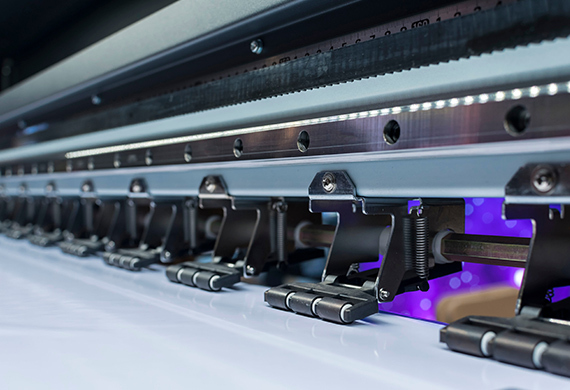

Proper eco solvent ink head maintenance is essential for anyone relying on large-format printers for signage, graphics, or specialty packaging. Regular upkeep not only extends the lifespan of your print heads but also ensures consistent print quality and minimizes costly downtime. This guide covers the most effective strategies for keeping your eco solvent printer heads in optimal condition, drawing on industry best practices and real-world experience.
Eco solvent printers are popular for their balance of durability, environmental friendliness, and vibrant color output. However, the ink formulation—while less aggressive than true solvent—still requires careful handling to prevent clogs and maintain performance. If you’re interested in broader sustainable printing topics, you may also want to explore our guide to solvent-free printing processes.
Why Print Head Care Matters for Eco Solvent Printers
The print head is the heart of any inkjet printer, and with eco solvent models, it’s especially vulnerable to ink residue and environmental factors. Neglecting maintenance can lead to nozzle blockages, banding, color shifts, and even permanent head damage. Regular cleaning routines and the right preventive steps will help you avoid these issues, ensuring your printer delivers sharp, reliable results on every job.
Unlike water-based or UV inks, eco solvent formulations are designed to adhere to a wide range of substrates and resist fading. However, their slightly oily nature means that dried ink can accumulate more readily in the nozzles if left unattended. This makes a proactive approach to maintenance critical for both print quality and equipment longevity.
Daily and Weekly Maintenance Routines
Establishing a consistent cleaning schedule is the foundation of effective eco solvent ink head maintenance. Here’s what you should include in your daily and weekly routines:
- Daily: Run the printer’s built-in nozzle check and cleaning cycle before starting production. Wipe the print head surface gently with a lint-free swab and manufacturer-approved cleaning solution to remove any visible ink residue.
- Weekly: Inspect the capping station, wiper blade, and surrounding areas for ink buildup. Clean or replace these components as needed to prevent ink from drying and transferring back onto the print head.
- Environment: Keep the printer in a dust-free, temperature-controlled space. Excessive dust or humidity can accelerate ink drying and clog formation.
Following these routines will dramatically reduce the risk of nozzle blockages and maintain the vibrancy of your prints.
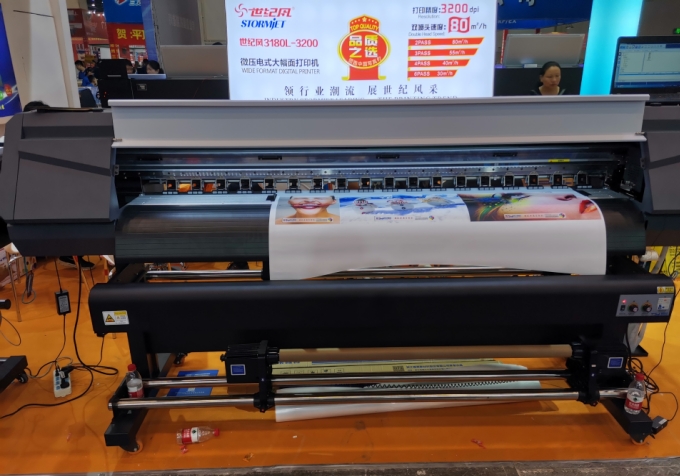
Best Cleaning Techniques for Print Heads
When it comes to cleaning, using the right materials and methods is crucial. Here are some proven techniques for maintaining eco solvent print heads:
- Manual Cleaning: Use lint-free swabs and a cleaning solution recommended by your printer manufacturer. Gently wipe the print head surface—never scrub or use excessive force, as this can damage delicate nozzles.
- Automated Cycles: Most modern printers include automated head cleaning functions. Use these regularly, but avoid overuse, as excessive cleaning can waste ink and wear out components.
- Soaking: For stubborn clogs, some printers allow you to soak the print head in a shallow tray of cleaning solution. Always follow the manufacturer’s instructions to avoid electrical damage.
It’s important to use only approved cleaning fluids—never substitute with water, alcohol, or generic solvents, as these can react with eco solvent ink and cause further issues.
Preventing Clogs and Print Quality Issues
Prevention is always better than cure. To minimize the risk of clogs and maintain optimal print quality:
- Print regularly. If the printer sits idle for days, ink can dry in the nozzles. If you must pause production, run a nozzle check or small print job every couple of days.
- Use high-quality, compatible inks. Inferior or expired inks can leave excessive residue and accelerate clogging.
- Store ink cartridges and bottles in a cool, dark place, and always shake gently before use to ensure proper mixing.
- Replace maintenance parts—such as wiper blades and capping stations—at the intervals recommended by your printer’s manufacturer.
For a deeper understanding of how eco solvent inks work and their advantages, see this comprehensive overview of eco solvent ink benefits and applications.
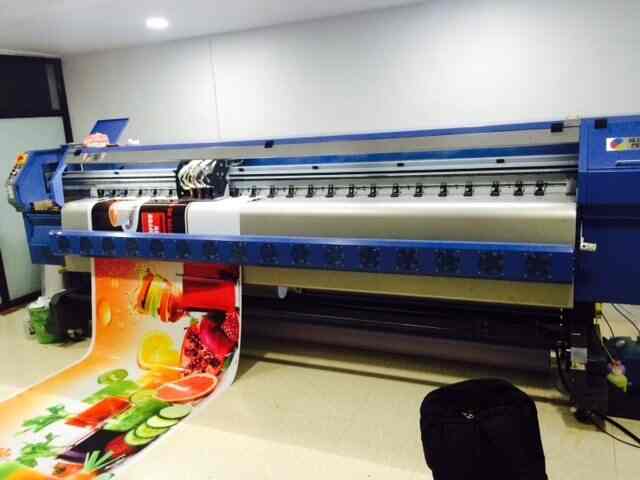
Choosing the Right Cleaning Supplies and Inks
The products you use for both printing and cleaning play a significant role in the success of your eco solvent ink head maintenance program. Always choose:
- OEM or trusted third-party inks that are specifically formulated for your printer model.
- Manufacturer-recommended cleaning fluids to avoid chemical incompatibility.
- Lint-free swabs and wipes to prevent fibers from blocking nozzles.
Avoid using expired or unsealed ink, as it can thicken or separate, leading to clogs and inconsistent color output. If you’re exploring advanced print applications, such as photographic quality on specialty substrates, you may find our guide on how to achieve photographic quality on corrugated flutes useful.
Long-Term Strategies for Print Head Longevity
Beyond routine cleaning, there are several long-term strategies to ensure your eco solvent print heads last as long as possible:
- Schedule regular professional servicing at least once a year, especially for high-volume operations.
- Monitor environmental conditions—keep humidity and temperature within recommended ranges to prevent ink from drying prematurely.
- Update printer firmware as released by the manufacturer to benefit from improved cleaning cycles and diagnostics.
- Document maintenance activities in a logbook to track patterns and anticipate when parts may need replacement.
By combining daily care with these proactive measures, you’ll maximize both print quality and the lifespan of your investment.
Frequently Asked Questions
How often should I clean my eco solvent print head?
For most users, a daily nozzle check and light cleaning is sufficient, with more thorough maintenance (including wiper blade and capping station cleaning) performed weekly. If your printer is used heavily or sits idle for long periods, adjust your schedule accordingly.
What should I do if my print head is clogged and cleaning cycles don’t help?
If automated cleaning cycles fail to clear a blockage, try manual cleaning with a lint-free swab and approved cleaning solution. For persistent clogs, consult your printer’s manual for soaking procedures or contact a professional technician to avoid damaging the print head.
Can I use generic cleaning fluids or household solvents?
No. Always use cleaning fluids recommended by your printer or ink manufacturer. Generic solvents or household cleaners can damage the print head, react with eco solvent ink, or leave residues that worsen clogging.
Conclusion
Effective eco solvent ink head maintenance is a combination of daily care, the right cleaning techniques, and long-term preventive strategies. By following the best practices outlined here, you’ll ensure your prints remain sharp and vibrant while minimizing costly repairs and downtime. For those looking to further reduce environmental impact, consider exploring solvent-free alternatives and advanced sustainable printing methods.