Reducing chemical consumption in label printing is a priority for manufacturers aiming to improve sustainability, lower costs, and meet stricter environmental regulations. As the demand for eco-friendly packaging grows, print shops and converters are seeking practical strategies to minimize their reliance on solvents, inks, and other potentially hazardous substances. This guide explores effective ways to cut down on chemical usage in label production, from process improvements to technology upgrades and smarter material choices.
Adopting greener practices not only benefits the environment but can also enhance operational efficiency and brand reputation. Whether you’re running a large-scale flexographic press or a digital label line, understanding the latest methods for reducing chemical inputs is essential for staying competitive and compliant. For those interested in alternative printing technologies, our guide to solvent-free printing processes provides additional insights into low-impact production methods.

Understanding Chemical Use in Label Printing
Label printing processes—such as flexography, offset, gravure, and digital—traditionally rely on a range of chemicals. These include inks, solvents, cleaning agents, adhesives, and coatings. While each serves a specific function, excessive or inefficient use can lead to environmental pollution, increased waste, and higher operational costs.
Common sources of chemical consumption in label production include:
- Inks and solvents used for color application and cleaning
- Adhesives for label bonding
- Coatings to enhance durability or appearance
- Plate and press cleaning solutions
By identifying where and how these substances are used, print facilities can target areas for improvement and implement more sustainable practices.
Switching to Low-Impact Printing Technologies
One of the most effective ways to minimize chemical usage is to adopt modern printing technologies designed for efficiency and environmental responsibility. Digital printing, for example, often requires fewer chemicals than traditional analog methods. It eliminates the need for plates and reduces the volume of waste ink and solvents.
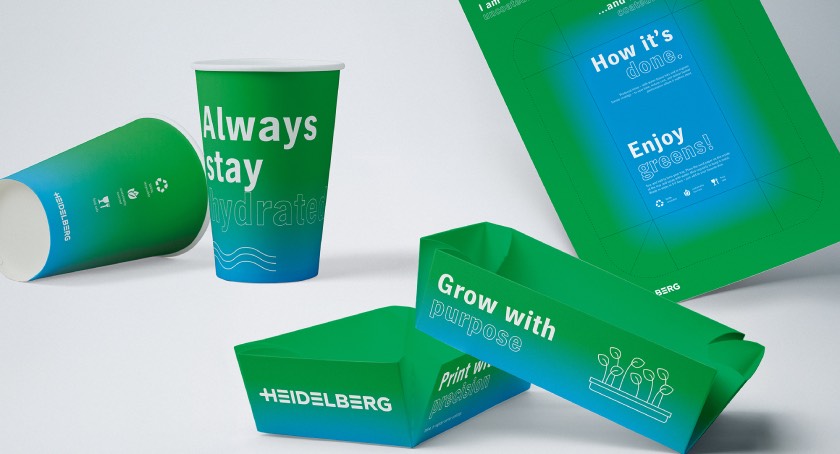
UV-curable and water-based ink systems are also gaining popularity for their lower emissions and reduced need for harsh cleaning chemicals. These alternatives can help companies meet environmental standards without sacrificing print quality or productivity.
For those looking to achieve exceptional results on challenging substrates, exploring advancements such as how to achieve photographic quality on corrugated flutes can provide inspiration for combining quality with sustainability.
Optimizing Ink and Solvent Management
Careful management of inks and solvents is crucial for reducing chemical waste. Here are some practical steps:
- Use high-yield inks that deliver more coverage per cartridge or container, minimizing the frequency of replacements and leftover waste.
- Implement closed-loop ink dispensing systems to control quantities and prevent spills.
- Switch to concentrated cleaning agents that require less volume for effective results.
- Regularly monitor and calibrate equipment to ensure optimal ink laydown and minimal overuse.
By focusing on these areas, print shops can significantly lower their chemical footprint and operating expenses.
Material Selection and Process Adjustments
Choosing the right materials can also make a substantial difference. Opt for substrates and adhesives that are compatible with low-chemical or solvent-free printing processes. Many modern label stocks are engineered to work with water-based or UV-curable inks, reducing the need for aggressive primers or coatings.
Process adjustments, such as lowering press speeds or optimizing curing times, can further decrease chemical consumption. Training staff on best practices and preventive maintenance helps maintain consistent quality while minimizing unnecessary usage of chemicals.
Implementing Sustainable Cleaning and Maintenance Routines
Cleaning and maintenance are often overlooked sources of chemical exposure in label printing. Traditional cleaning agents can be replaced with biodegradable or less toxic alternatives. Automated cleaning systems can further reduce the volume of chemicals needed and improve worker safety.
Routine maintenance of presses, rollers, and other equipment ensures that machines operate efficiently, requiring fewer cleaning cycles and less chemical intervention. This not only extends equipment life but also supports a cleaner production environment.
Monitoring, Training, and Continuous Improvement
Ongoing monitoring and staff training are essential for maintaining low chemical usage. Track consumption rates, waste generation, and emissions to identify trends and areas for further improvement. Encourage a culture of sustainability by involving all team members in setting and achieving reduction goals.
Regularly review new developments in printing technology and materials. Innovations such as innovations in oxygen scavenger labels and automation in packaging decoration can offer additional pathways to reduce environmental impact.
Industry Resources and Further Reading
Staying informed about best practices and emerging solutions is key to long-term success. Industry organizations and publications provide valuable guidance on sustainable printing. For example, sustainable printing practices for packaging offer case studies and actionable tips for reducing chemical reliance in production environments.
Companies can also benefit from networking with peers and attending trade shows to discover the latest eco-friendly products and technologies.
Frequently Asked Questions
What are the main benefits of reducing chemical usage in label production?
Lowering chemical consumption helps companies comply with environmental regulations, reduce hazardous waste, cut operational costs, and improve workplace safety. It also enhances a brand’s reputation among environmentally conscious customers.
Can switching to digital printing significantly reduce chemical waste?
Yes, digital printing typically uses fewer chemicals than traditional methods. It eliminates the need for printing plates and often requires less ink and fewer cleaning solvents, making it a strong option for sustainable label production.
Are there solvent-free alternatives for all types of label printing?
Many label applications can now be produced using water-based, UV-curable, or other low-impact ink systems. However, some specialty applications may still require traditional chemistries. Exploring resources like the guide to solvent-free printing processes can help identify suitable alternatives for specific needs.
How can staff training help reduce chemical usage?
Properly trained staff are more likely to follow best practices for ink handling, equipment maintenance, and waste management. This reduces the risk of overuse, spills, and unnecessary chemical consumption throughout the production process.
Conclusion
Reducing chemical inputs in label printing is both achievable and beneficial. By embracing advanced technologies, optimizing processes, selecting compatible materials, and fostering a culture of continuous improvement, print facilities can lower their environmental impact while maintaining high-quality results. Staying informed and proactive ensures that your operations remain efficient, compliant, and aligned with the growing demand for sustainable packaging solutions.