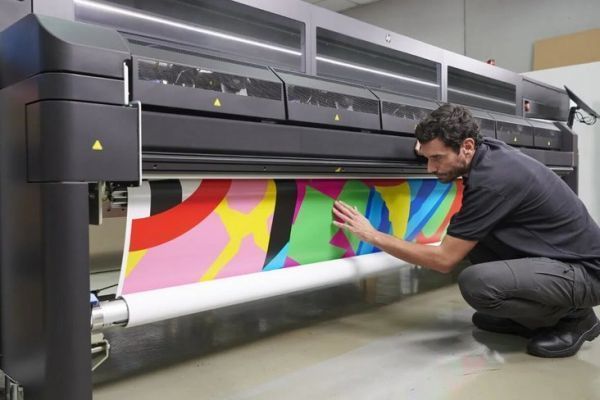

Water-based latex inks have become a popular choice in the printing industry, offering a balance of vibrant color, environmental responsibility, and safety for both users and end consumers. As businesses and print professionals seek alternatives to traditional solvent-based inks, understanding the composition, performance, and safety profile of these inks is essential. This article provides a comprehensive overview of how these inks work, their advantages, and what sets them apart in terms of both health and print quality.
For those interested in sustainable printing, exploring new technologies is crucial. If you want to learn more about eco-friendly solutions, check out our guide to solvent-free printing processes for practical insights into greener production methods.
Understanding the Composition of Water-Based Latex Inks
At their core, water-based latex inks are formulated with water as the primary solvent, combined with pigments and a synthetic latex polymer. This blend allows the ink to deliver vivid colors while remaining flexible and durable on a wide range of substrates. Unlike solvent or eco-solvent inks, which rely on volatile organic compounds (VOCs) for drying and adhesion, these inks use water to carry the colorants and polymers to the surface of the print media.
The latex component is a key differentiator. It forms a thin, flexible film as the water evaporates, encapsulating the pigment particles and bonding them to the substrate. This process results in prints that are not only visually appealing but also resistant to scratching, fading, and water exposure.
Performance Benefits for Print Applications
One of the main reasons print shops and manufacturers are adopting water-based latex ink technology is the impressive performance across various applications. These inks are suitable for indoor and outdoor signage, wall coverings, vehicle wraps, and even textiles. Here are some of the standout benefits:
- Vivid Color Reproduction: The pigment-based formulation ensures rich, consistent colors that stand out, even on challenging materials.
- Fast Drying Times: Water-based latex inks dry quickly, allowing for immediate handling and finishing, which increases production efficiency.
- Versatility: Compatible with a broad range of substrates, including vinyl, paper, canvas, and polyester fabrics, these inks offer flexibility for diverse projects.
- Durability: The latex film provides excellent resistance to abrasion, UV light, and moisture, making prints suitable for demanding environments.
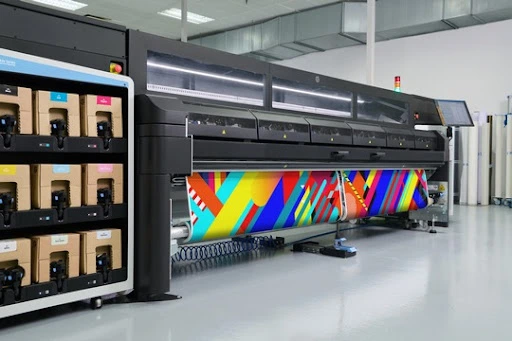
Safety and Environmental Impact
Health and safety are major concerns in any print environment. Water-based latex inks are designed to minimize risks for operators and end users. Because water is the main solvent, these inks emit extremely low levels of VOCs, making them safer to use in enclosed spaces and reducing the need for specialized ventilation systems.
Additionally, these inks are free from hazardous air pollutants (HAPs) and heavy metals, which are sometimes found in other ink types. This makes them a preferred choice for applications where human contact is likely, such as wall graphics in hospitals, schools, and homes.
From an environmental perspective, the reduced emission of harmful substances means a smaller ecological footprint. Many manufacturers also offer recyclable ink cartridges and promote responsible disposal practices, further supporting sustainability goals.
Comparing Latex Inks to Other Ink Technologies
When evaluating printing options, it’s important to understand how water-based latex ink systems stack up against alternatives like eco-solvent, UV-curable, and traditional solvent inks. Each technology has its strengths and limitations, but latex inks offer a compelling mix of safety, performance, and versatility.
For a deeper comparison between latex and eco-solvent printing, see this detailed overview of latex vs. eco-solvent printing, which covers print quality, durability, and environmental considerations.
- Eco-Solvent Inks: Lower VOCs than traditional solvents but still require some ventilation and may not be suitable for sensitive environments.
- UV-Curable Inks: Offer instant curing and high durability, but the curing process can generate ozone and requires specialized equipment.
- Solvent Inks: Known for outdoor durability but emit high levels of VOCs, posing health and environmental risks.
- Latex Inks: Combine many of the advantages of other technologies with a safer, more sustainable profile.

Key Applications and Industry Adoption
The adoption of latex ink technology is growing rapidly in sectors that demand both high-quality output and a responsible approach to health and the environment. Common applications include:
- Retail and Point-of-Sale Displays: Eye-catching graphics that are safe for indoor use.
- Wallcoverings and Murals: Odorless prints suitable for sensitive spaces like schools and hospitals.
- Vehicle Wraps: Flexible, durable films that withstand outdoor conditions.
- Textile Printing: Soft, vibrant prints for banners, flags, and soft signage.
Print service providers appreciate the versatility and reliability of these inks, as well as the ability to meet increasingly strict environmental regulations. For those interested in achieving exceptional print quality on challenging substrates, our article on how to achieve photographic quality on corrugated flutes offers additional tips and techniques.
Maintenance and Best Practices for Latex Ink Printers
Maintaining optimal performance with water-based latex ink printers involves a few best practices:
- Regular Cleaning: Prevent nozzle clogs by following the manufacturer’s cleaning schedule.
- Proper Storage: Store inks in a cool, dry place to extend shelf life and maintain color consistency.
- Media Compatibility: Always verify that the chosen substrate is compatible with latex inks for best results.
- Color Calibration: Use a monitor calibrator to ensure accurate color reproduction from screen to print.
By following these guidelines, print professionals can maximize the lifespan of their equipment and consistently produce high-quality output.
Frequently Asked Questions
Are water-based latex inks safe for indoor use?
Yes, these inks are specifically designed for indoor environments. Their low VOC emissions and absence of hazardous chemicals make them suitable for spaces like schools, hospitals, and homes.
How do latex inks compare to eco-solvent inks in terms of durability?
Latex inks offer similar or superior durability compared to eco-solvent inks, especially for outdoor applications. They resist fading, scratching, and moisture, while also providing a safer and more sustainable option.
Can latex inks be used on all types of print media?
While they are compatible with a wide range of substrates, it’s important to check media specifications for optimal results. Most vinyl, paper, canvas, and fabric materials work well with latex inks, but always test new substrates before large production runs.
Conclusion
As the print industry evolves, water-based latex inks stand out for their combination of vibrant color, durability, and a strong commitment to health and environmental safety. Whether you’re a print service provider or a business seeking sustainable solutions, understanding the benefits and best practices of latex ink technology can help you make informed decisions for your next project.