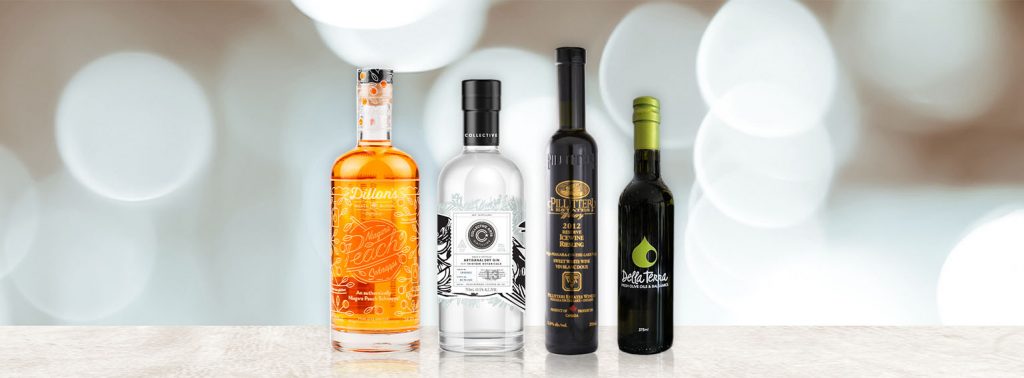

Personalizing glassware and decorative glass has become increasingly popular for both businesses and hobbyists. Whether you’re looking to brand bottles, create unique gifts, or enhance interior design, understanding the essentials of glass printing is crucial. This custom glass printing guide covers the most effective methods, preparation steps, and expert tips to help you achieve professional results on glass surfaces.
Before diving into techniques, it’s important to recognize the role of glass printing in various industries. From luxury packaging to smart device displays, printed glass is everywhere. For those interested in avoiding common pitfalls, you may want to explore common mistakes in glass printing for additional insights.
Understanding the Basics of Glass Printing
Printing on glass involves applying decorative or functional designs directly onto glass surfaces. The process can be used for drinkware, bottles, windows, and even architectural panels. The main challenge is ensuring that inks or coatings adhere properly to the smooth, non-porous surface of glass.
There are several popular methods for decorating glass, each with its own advantages and ideal use cases. Choosing the right technique depends on your project’s requirements, such as durability, color vibrancy, and production scale.
Popular Methods for Customizing Glass
This section of the custom glass printing guide explores the most widely used techniques for personalizing glass items:
- Screen Printing: A traditional method that uses a mesh stencil to transfer ink onto glass. It’s ideal for bold, opaque designs and is commonly used for bottles and jars.
- UV Digital Printing: Utilizes UV-curable inks and digital printers to create full-color, high-resolution images. Suitable for short runs and intricate graphics.
- Etching and Sandblasting: These methods physically alter the glass surface to create frosted or textured effects. They are valued for their durability and elegant appearance.
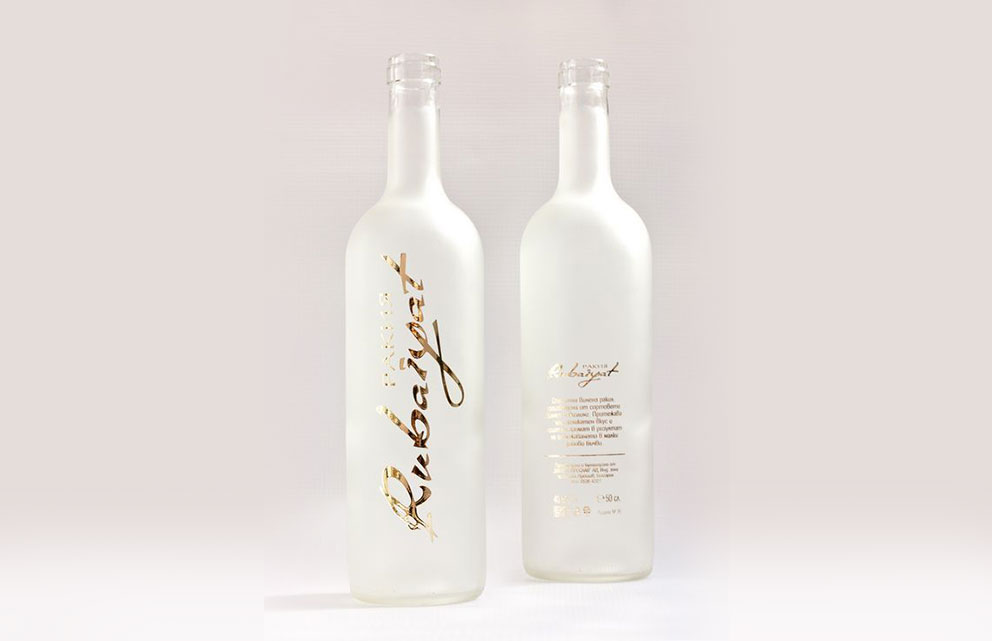
- Foil Stamping: Applies metallic or colored foils to glass using heat and pressure, resulting in a premium, reflective finish.
Preparation: Setting Up for Success
Proper preparation is essential for achieving crisp, long-lasting prints on glass. Follow these steps before starting any printing process:
- Clean Thoroughly: Remove dust, oils, and residues using isopropyl alcohol or specialized glass cleaners. Even minor contaminants can prevent ink or etching cream from adhering.
- Dry Completely: Allow the glass to air dry or use a lint-free cloth. Moisture can interfere with both printing and curing.
- Masking: For techniques like etching or sandblasting, use masking tape or vinyl stencils to protect areas you don’t want to decorate.
Taking the time to prepare your glassware properly will help you avoid issues such as smudging, poor adhesion, or uneven finishes.
Design Considerations for Glass Printing Projects
When planning your artwork, consider the following factors for optimal results:
- Contrast: Designs with strong contrast stand out best on transparent or colored glass.
- Opacity: Some inks and foils are more opaque than others. Test samples to ensure your design is visible under different lighting conditions.
- Size and Placement: Measure your glass items carefully and adjust your design to fit curved or irregular surfaces.
- Durability: For items that will be washed or handled frequently, choose techniques and materials that offer resistance to abrasion and chemicals.
For creative inspiration, see how glass is used in luxury interior design to make a statement in modern spaces.
Step-by-Step: How to Print on Glass
Here’s a simplified process for screen printing, one of the most accessible methods for beginners and small businesses:
- Prepare Your Workspace: Ensure proper ventilation and lay down protective coverings.
- Set Up the Screen: Use a mesh screen with your design burned into it. Secure the screen over the glass item.
- Apply Ink: Pour a small amount of glass ink onto the screen. Use a squeegee to pull the ink across the design, pressing firmly.
- Lift and Inspect: Carefully lift the screen and check for even coverage. Touch up any missed spots as needed.
- Cure the Ink: Most glass inks require heat curing in an oven or with a heat gun to ensure durability.
For etching, apply a stencil, brush on etching cream, wait the recommended time, then rinse thoroughly for a permanent frosted effect.
Best Practices for Professional Results
To get the most out of your glass decoration projects, keep these best practices in mind:
- Test Before Production: Always run a test print on a spare piece of glass to check adhesion, color, and coverage.
- Use Quality Materials: Invest in inks, foils, or etching creams specifically formulated for glass surfaces.
- Control Your Environment: Avoid dust and humidity, as these can affect print quality and curing.
- Handle with Care: Allow printed items to cure fully before stacking or shipping to prevent smudges or scratches.
- Stay Updated: New technologies and materials are constantly emerging. For advanced applications, such as smart device glass printing, research the latest industry trends.
Applications and Creative Ideas
Customizing glass opens up a wide range of possibilities:
- Branding: Add logos or product information to bottles, jars, and drinkware. Discover more about branding opportunities with printed glass for your business.
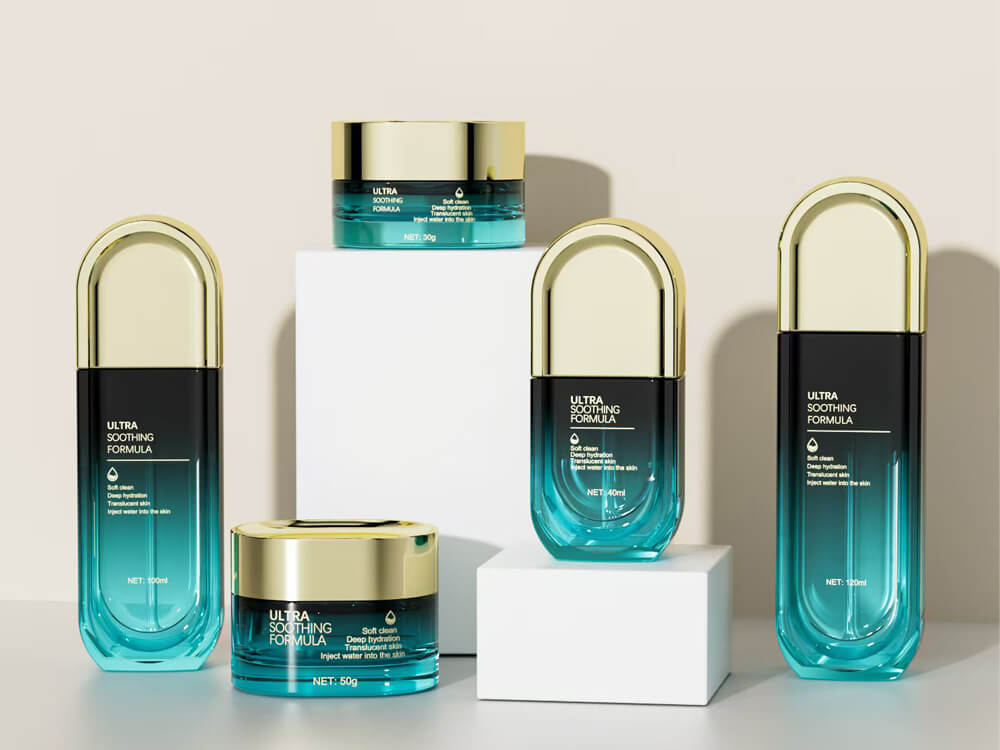
- Interior Design: Create decorative panels, mirrors, or partitions with unique patterns and colors. For inspiration, explore colored glass decoration methods for vibrant spaces.
- Gifts and Events: Personalize glassware for weddings, anniversaries, or corporate events.
- Automotive and Electronics: Printed glass is used in car windows and smart devices. Learn more about automotive glass printing technology for modern trends.
Frequently Asked Questions
What is the most durable method for printing on glass?
Screen printing with ceramic inks and etching are among the most durable options. Both methods create designs that can withstand frequent handling and washing, making them ideal for drinkware and commercial products.
Can I print full-color images on glass?
Yes, UV digital printing allows for high-resolution, full-color images on glass surfaces. This technique is perfect for detailed artwork, photographs, or multicolor logos. However, it may not be as scratch-resistant as screen printing or etching, so consider the intended use of your item.
How do I avoid common mistakes in glass printing?
Proper cleaning, using the right materials, and testing your process are key. For more detailed advice, refer to the guide on common mistakes in glass printing to help you troubleshoot and improve your results.
Is it possible to print on curved or irregular glass surfaces?
Yes, but it requires careful design adjustments and sometimes specialized equipment. Flexible screens or digital printers with rotary attachments can help achieve consistent results on curved bottles or glasses.
Conclusion
Mastering the art of glass decoration involves understanding the available techniques, preparing your materials, and following proven best practices. By applying the strategies outlined in this custom glass printing guide, you can achieve professional, eye-catching results for any project—whether it’s for business branding, creative gifts, or interior design. Stay curious, experiment with new methods, and keep up with industry trends to continually refine your skills.