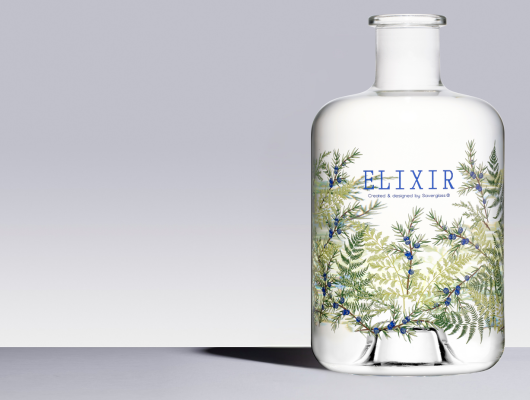

Automotive glass printing technology has become a cornerstone of modern vehicle design, offering both functional and aesthetic benefits. From intricate window borders to advanced head-up display panels, the methods and materials used in printing on automotive glass have evolved rapidly. Today’s vehicles rely on these innovations for branding, safety, and enhanced user experience. This article explores the latest advancements, key processes, and emerging trends shaping this dynamic sector.
As the automotive industry pushes for greater customization and integration of smart features, glass printing methods must keep pace. The demand for durable, high-resolution graphics and functional coatings has never been higher. Understanding the core techniques and the newest developments is essential for manufacturers, designers, and enthusiasts alike.
For readers interested in related topics, our guide on common mistakes in glass printing offers valuable insights into avoiding pitfalls during the process.
Core Methods in Car Glass Printing
Several established techniques are used to apply graphics, patterns, and functional coatings to automotive glass. Each method offers unique advantages depending on the requirements for durability, color fidelity, and production scale.
- Screen Printing: The most widely used method, screen printing involves pushing ceramic or organic inks through a mesh stencil onto the glass surface. After application, the glass is fired at high temperatures to fuse the ink, resulting in a durable, weather-resistant finish.
- Digital Printing: Recent advances in digital inkjet technology have enabled direct-to-glass printing with UV-curable inks. This method allows for full-color, high-resolution images and is ideal for short runs or custom designs. For more on this, see UV digital printing on glass.
- Pad Printing: Used for smaller, complex shapes, pad printing transfers ink from a silicone pad onto the glass. It’s commonly used for logos or small decorative elements.
- Etching and Sandblasting: These methods create frosted or textured effects on glass surfaces, often used for privacy or decorative purposes.
Each technique is chosen based on the end-use application, required durability, and design complexity. For example, screen printing remains the go-to for black ceramic frit bands around windshields, while digital methods are gaining ground for custom graphics and prototyping.
Advancements in Automotive Glass Printing Technology
Modern vehicles demand more from their glass components than ever before. The latest automotive glass printing technology incorporates innovations that improve performance, efficiency, and design flexibility.
- UV-Curable Inks: These inks cure instantly under ultraviolet light, allowing for faster production and reduced energy consumption. They also offer excellent adhesion and resistance to fading.
- Functional Coatings: Beyond aesthetics, printed coatings can add properties such as hydrophobicity, anti-glare, or electrical conductivity. This is crucial for features like heated windshields or integrated antennas.
- Precision Registration: Modern machinery ensures that printed patterns align perfectly with glass contours and embedded sensors, which is especially important for advanced driver-assistance systems (ADAS).
- Eco-Friendly Materials: Manufacturers are shifting toward lead-free and low-VOC inks, reducing environmental impact without sacrificing performance.
These advancements are enabling automakers to push the boundaries of design, safety, and sustainability in their glass components.

Modern Trends Shaping the Industry
The landscape of car glass decoration and functional printing is rapidly evolving. Several trends are influencing how manufacturers approach design and production:
- Customization: Consumers increasingly seek personalized vehicles. Digital printing makes it possible to offer unique graphics, branding, or even limited-edition designs on glass surfaces.
- Integration with Smart Technologies: As vehicles become more connected, glass panels are being printed with conductive inks for touch controls, embedded displays, and sensor integration. For further reading on this, explore our article on smart device glass printing.
- Lightweight and Thin Glass: Advances in glass manufacturing have led to thinner, lighter panels. Printing technology must adapt to these substrates without compromising strength or clarity.
- Sustainability: Eco-friendly inks and energy-efficient curing processes are becoming standard, reflecting broader industry commitments to sustainability.
- Enhanced Safety Features: Printed graphics now serve functional roles, such as masking sensor areas, improving driver visibility, or integrating heads-up displays (HUDs).
These trends are not only shaping the look and feel of modern vehicles but also their performance and environmental impact.
Quality Control and Common Pitfalls
Ensuring consistent quality in printed automotive glass is essential. Manufacturers employ rigorous inspection protocols, including automated vision systems and adhesion tests, to detect defects such as pinholes, misalignment, or color inconsistencies. Even with advanced technology, issues can arise from improper ink formulation, substrate contamination, or incorrect curing parameters.
For a deeper dive into avoiding errors in glass decoration, see our post on common mistakes in glass printing. Understanding these pitfalls can help both professionals and hobbyists achieve better results.
Applications Beyond the Windshield
While windshields and side windows are the most visible applications, printed glass is found throughout modern vehicles:
- Sunroofs and Moonroofs: Decorative patterns can reduce glare and add privacy.
- Rear Windows: Integrated heating elements and antenna patterns are often printed directly onto the glass.
- Interior Panels: Custom graphics and branding elements enhance the cabin experience.
- Heads-Up Displays: Special coatings and printed guides ensure optimal projection and visibility.
These diverse applications highlight the versatility and importance of advanced printing methods in automotive design.
Looking Ahead: The Future of Automotive Glass Decoration
The future promises even greater integration of automotive glass printing technology with smart systems and sustainable practices. As electric and autonomous vehicles become mainstream, the demand for multifunctional glass panels will only increase. Expect to see further advances in digital printing, new functional inks, and even more seamless integration of displays and sensors.
For those interested in broader applications, our article on industrial glass printing uses explores how similar technologies are transforming manufacturing and tech sectors. Creative uses in architecture and décor are also on the rise, as covered in our guide to colored glass decoration methods and glass wall art ideas.
Frequently Asked Questions
What is the most common method for printing on automotive glass?
The most widely used technique is screen printing with ceramic inks, which are fused onto the glass at high temperatures. This method ensures durability and resistance to weather, UV exposure, and abrasion.
How does digital printing differ from traditional methods?
Digital printing uses inkjet technology and UV-curable inks to apply high-resolution images directly onto glass. Unlike screen printing, it allows for full-color graphics, rapid prototyping, and easy customization without the need for physical screens or stencils.
Are printed automotive glass components environmentally friendly?
Modern advancements have led to the adoption of lead-free, low-VOC inks and energy-efficient curing processes. These improvements make printed glass components more sustainable and reduce their environmental impact.
Can printed graphics affect the performance of vehicle sensors?
Properly designed and registered prints are engineered to avoid interference with sensors, cameras, and heads-up displays. Precision equipment ensures that functional areas remain clear and that printed patterns do not block or distort signals.