
Modern design trends increasingly favor the use of glass to bring light, openness, and a sense of sophistication to interior spaces. From decorative panels and partitions to statement vases and functional bottles, glass surfaces offer endless possibilities for creative enhancement. Understanding glass decoration techniques can help homeowners, designers, and DIY enthusiasts transform ordinary glass into eye-catching features that elevate contemporary interiors.
Decorative glass is not just about aesthetics—it also serves practical purposes, such as privacy, branding, or highlighting architectural details. With the right approach, you can achieve effects ranging from subtle frosted finishes to vibrant, multicolored artworks. This article explores popular methods, their applications, and tips for choosing the best technique for your project.
If you’re interested in avoiding common pitfalls, consider reading common mistakes in glass printing for practical advice on achieving professional results.
Popular Methods for Decorating Glass in Contemporary Spaces
There are several ways to enhance glass for modern interiors, each offering unique visual and tactile qualities. The choice depends on the intended effect, durability requirements, and whether the project is for residential, commercial, or artistic use.
Screen Printing for Custom Patterns and Branding
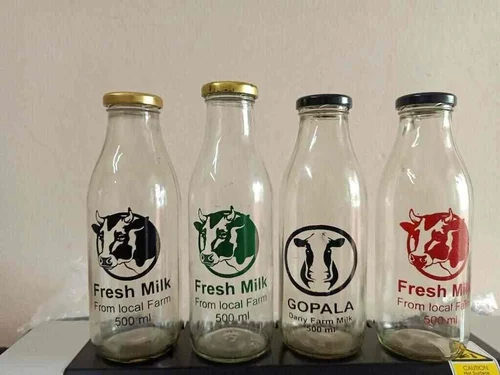
Screen printing is a versatile process that applies ink or paint through a mesh stencil onto glass surfaces. This method is ideal for adding logos, geometric patterns, or even intricate illustrations to panels, bottles, and decorative objects. It’s widely used in both industrial and artisanal settings, offering excellent color vibrancy and durability.
For those interested in trying this at home or in a studio, a quality kit like the Caydo Screen Printing Kit can make the process accessible and rewarding.
Etching and Frosting for Subtle, Elegant Effects
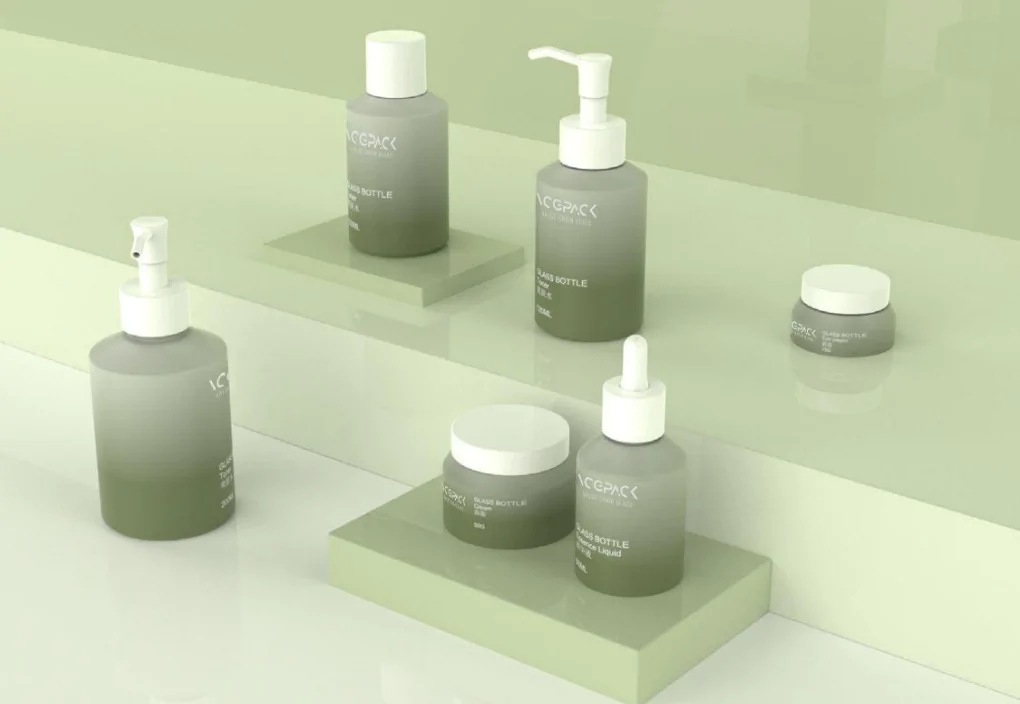
Etching is a classic approach that uses abrasive or chemical processes to create a frosted, matte finish on glass. This technique is perfect for adding privacy to shower doors, windows, or office partitions while still allowing light to filter through. Etched designs can be simple borders, repeating motifs, or even detailed artwork.
Chemical etching creams, such as Armour Etch, are popular for DIY projects. They allow for precise control and are suitable for customizing glassware, mirrors, or decorative panels. Sandblasting is another option, often used for larger surfaces or more intricate designs.
Digital Printing: Bringing Color and Detail to Glass
Advancements in digital technology have enabled high-resolution images, gradients, and photorealistic effects to be printed directly onto glass. This method is increasingly popular for architectural features, signage, and decorative wall panels in modern interiors. Digital printing offers flexibility in design, fast turnaround, and the ability to reproduce complex artwork with remarkable clarity.
For more on this innovative process, see how UV digital printing on glass works and how it’s transforming the industry.
Choosing the Right Technique for Your Space
Selecting the best method for your project depends on several factors, including the type of glass, intended use, and desired look. Here’s a quick comparison to help guide your decision:
| Technique | Best For | Key Benefits |
|---|---|---|
| Screen Printing | Logos, patterns, branding | Vivid color, durable, scalable |
| Etching/Frosting | Privacy, subtle design | Elegant, diffuses light, permanent |
| Digital Printing | Photos, gradients, detailed art | Full color, high detail, fast |
For vibrant, colored glass applications, you might also explore colored glass decoration methods to add a bold statement to your interior.
Creative Applications in Modern Interior Design
Decorated glass can be used in a variety of ways to enhance the look and feel of contemporary spaces. Here are some popular applications:
- Room Dividers and Partitions: Frosted or printed glass panels provide privacy while maintaining an open, airy atmosphere.
- Wall Art and Decorative Panels: Custom-printed or etched glass can serve as unique wall features, adding color and texture to living rooms, offices, or lobbies. For inspiration, see these glass wall art ideas for contemporary decor.
- Furniture Accents: Table tops, cabinet doors, and shelving can all be enhanced with decorative glass treatments.
- Lighting Fixtures: Colored or patterned glass shades diffuse light in creative ways, setting the mood in any room.
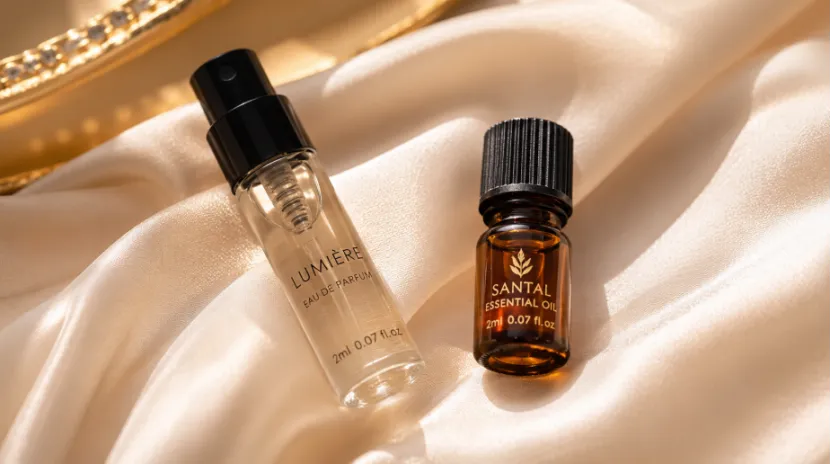
- Functional Decor: Bottles, jars, and vases can be personalized for gifts, branding, or simply to match your interior style.
Tips for Achieving Professional Results
To get the most out of your glass decorating project, keep these best practices in mind:
- Surface Preparation: Clean glass thoroughly to remove dust, oils, and residues before applying any decoration.
- Choose the Right Materials: Use inks, paints, or etching creams specifically designed for glass to ensure adhesion and longevity.
- Test on a Sample: Before working on your main piece, test your chosen technique on a spare or small area to perfect your process.
- Consider Safety: Wear gloves and work in a well-ventilated area, especially when using chemicals or abrasive tools.
- Follow Manufacturer Instructions: Whether screen printing or etching, always follow product guidelines for the best results.
If you’re working on a large-scale or commercial project, it’s wise to consult with professionals or experienced studios. For industrial applications, you may want to learn more about industrial glass printing uses in manufacturing and technology.
Frequently Asked Questions
What is the most durable method for decorating glass?
Screen printing and digital printing with specialized inks are among the most durable options, especially when cured or baked onto the glass. Etched designs are also permanent, as they alter the surface itself.
Can I decorate glass at home without professional equipment?
Yes, many glass decoration techniques can be done at home. Chemical etching creams, glass paints, and DIY screen printing kits are accessible and effective for small projects. Always follow safety instructions and practice on test pieces first.
How do I avoid common mistakes when decorating glass?
Proper preparation is key. Clean surfaces thoroughly, use the right materials, and avoid rushing the process. For detailed advice, check out common mistakes in glass printing to ensure your results are professional and long-lasting.
Are decorated glass surfaces safe for food and drink?
If you plan to decorate glassware used for food or beverages, ensure that any paints or inks are labeled as food-safe and non-toxic. Avoid decorating areas that will come into direct contact with food or drink unless the materials are certified for such use.
Conclusion
Decorating glass opens up a world of creative possibilities for modern interiors. Whether you prefer the crisp lines of screen printing, the subtlety of etching, or the vivid imagery made possible by digital printing, there’s a technique to suit every style and purpose. By understanding the strengths of each method and following best practices, you can transform glass into a standout feature in any space.