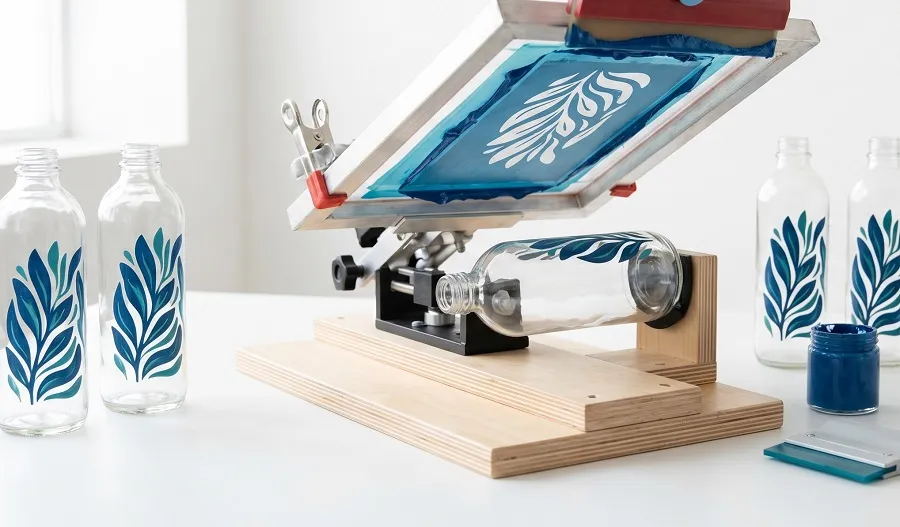

Printed glass is widely used for packaging, architectural features, branding, and decorative purposes. Its unique combination of clarity, strength, and customizable surface design makes it a popular choice for both businesses and consumers. But a common question arises: how long does printed glass last under real-world conditions? Understanding the durability of printed glass is essential for anyone investing in glass products, whether for branding, interior design, or industrial applications.
Several factors influence the lifespan of printed glass, including the printing technique, type of ink, environmental exposure, and maintenance practices. This guide explores these factors in detail, helping you make informed decisions about choosing and caring for printed glass items.
If you’re considering glass printing for your business or creative project, it’s also helpful to learn about common mistakes in glass printing so you can avoid costly errors and maximize the longevity of your designs.
Key Factors That Influence Printed Glass Lifespan
The durability of printed glass is not determined by a single factor. Instead, it’s the result of a combination of elements, each contributing to how well the print withstands time, use, and environmental stressors. Here are the most important aspects to consider:
- Printing Method: Techniques such as screen printing, digital UV printing, and ceramic frit printing each offer different levels of adhesion and resistance.
- Ink or Pigment Type: The composition of the ink—organic, inorganic, or ceramic—affects how well it bonds to the glass and resists fading or scratching.
- Surface Preparation: Proper cleaning and treatment of the glass before printing ensures better ink adhesion and longer-lasting results.
- Post-Printing Processes: Processes like curing, baking, or tempering can significantly improve the resilience of the printed design.
- Environmental Exposure: Sunlight, moisture, temperature changes, and chemicals can all impact the longevity of printed glass.
- Usage and Maintenance: Frequent handling, washing, or abrasive cleaning methods can wear down printed surfaces over time.
Comparing Printing Techniques and Their Durability
Different printing techniques offer varying levels of durability. Here’s a breakdown of the most common methods and what you can expect from each:
| Printing Method | Typical Lifespan | Best For |
|---|---|---|
| Screen Printing (Ceramic Inks) | 10–25 years or more | Architectural glass, bottles, long-term signage |
| Digital UV Printing | 5–10 years (indoors), 2–5 years (outdoors) | Decorative panels, custom glassware, short-term displays |
| Ceramic Frit Printing (Fired) | 20+ years | Building facades, automotive glass |
| Organic/Water-Based Inks | 1–3 years | Promotional items, temporary branding |
For a deeper dive into the technical aspects of these methods, you can explore the top three methods of glass printing and how each impacts longevity and performance.
How Environmental Conditions Affect Printed Glass
Environmental exposure is a major factor in determining how long printed glass maintains its appearance and integrity. Here’s how different conditions can impact durability:
- UV Exposure: Prolonged sunlight can cause fading, especially with organic or non-ceramic inks. UV-cured inks and ceramic prints are more resistant.
- Moisture & Humidity: Water can degrade some inks or cause peeling if the print isn’t properly cured or protected.
- Temperature Fluctuations: Extreme changes can stress the glass and the print layer, potentially leading to cracking or delamination.
- Chemical Contact: Exposure to harsh cleaners or solvents can erode printed surfaces, especially if the ink isn’t chemically resistant.
For outdoor or industrial applications, choosing the right printing method and ink is crucial for maximizing lifespan.
Best Practices for Maximizing Printed Glass Longevity
While the printing method and ink type set the foundation for durability, proper care and maintenance can further extend the life of your printed glass items. Here are some practical tips:
- Gentle Cleaning: Use soft cloths and mild, non-abrasive cleaners. Avoid harsh chemicals or scrubbing pads that can scratch or wear away the print.
- Avoid Extreme Temperatures: Do not expose printed glass to rapid temperature changes, as this can stress both the glass and the printed layer.
- Protect from Prolonged Sunlight: For indoor applications, place printed glass away from direct sunlight when possible to minimize fading.
- Handle with Care: Repeated friction or impact can degrade printed surfaces, especially on items like drinkware or frequently handled panels.
- Regular Inspection: Periodically check for signs of wear, peeling, or fading, especially in high-traffic or outdoor environments.
For businesses using glass for branding or displays, integrating these care practices can help maintain a professional appearance and protect your investment.
Applications and Expected Lifespan in Different Settings
The expected lifespan of printed glass varies depending on its application. Here are some common uses and what you can expect:
- Architectural Glass: When produced with ceramic frit or screen-printed ceramic inks and properly fired, these installations can last for decades, often outlasting the building’s other finishes.
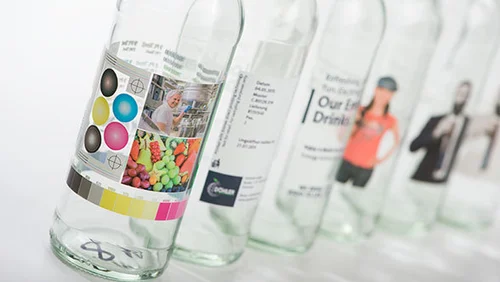
- Glass Bottles & Packaging: Industrially printed bottles using fired ceramic inks typically maintain their appearance for the life of the product, even with repeated handling and washing.
- Decorative Panels: Digitally printed panels for interiors can remain vibrant for 5–10 years or more, especially if not exposed to harsh sunlight or chemicals.
- Promotional Items: Glassware printed with organic inks is best for short-term use, as the designs may fade or wear off after a few years of regular washing.
For more inspiration on how printed glass can enhance your brand or space, see these branding opportunities with printed glass and explore creative decoration methods.
Common Issues That Can Reduce Printed Glass Durability
Even with the best materials and methods, certain issues can shorten the lifespan of printed glass:
- Poor Surface Preparation: Any residue or contamination on the glass before printing can cause poor ink adhesion and premature failure.
- Incorrect Curing: Inadequate curing or firing leaves the print vulnerable to scratching, peeling, or fading.
- Incompatible Cleaners: Using strong solvents or abrasive tools can quickly degrade the print layer.
- Improper Installation: For architectural glass, incorrect mounting can stress the print and lead to cracking or delamination.
To avoid these pitfalls, review best practices and learn from others’ experiences by reading about common mistakes in glass printing.
FAQ: Printed Glass Durability
Does printed glass fade over time?
Fading can occur, especially with organic or UV-cured inks exposed to direct sunlight. However, ceramic inks that are fired onto the glass are highly resistant to fading and can maintain their color for decades.
Is printed glass dishwasher safe?
It depends on the printing method and ink type. Glassware printed with ceramic inks and properly fired is generally dishwasher safe. Items printed with organic or UV inks may experience fading or peeling after repeated washing, so hand washing is recommended for these.
Can printed glass be used outdoors?
Yes, but the durability depends on the printing technique. Ceramic frit or fired ceramic prints are suitable for outdoor use and can withstand weathering for many years. Digital or organic prints may degrade faster when exposed to the elements.
How can I extend the life of my printed glass items?
Handle with care, clean gently with mild detergents, avoid harsh chemicals, and protect from prolonged direct sunlight or extreme temperatures. Regular inspection and proper maintenance can also help maximize lifespan.
Conclusion
The answer to how long does printed glass last depends on several key factors: the printing method, ink type, environmental exposure, and care practices. With the right combination—especially when using ceramic inks and proper curing—printed glass can remain vibrant and intact for decades. For those seeking to use glass for branding, decoration, or industrial purposes, understanding these variables ensures you get the most value and longevity from your investment. Explore more about industrial glass printing uses or discover colored glass decoration methods for further insights into the possibilities of printed glass.