

The question of whether latex printers can print white ink is a common one among print professionals, designers, and businesses considering large-format printing solutions. As latex technology continues to evolve, understanding its capabilities—especially when it comes to white ink—can help you make informed decisions about equipment, substrates, and print quality. This guide explores the technical aspects, current limitations, and practical considerations of white ink in latex printing, along with how these factors compare to other print technologies.
If you’re also interested in how digital innovations are shaping packaging and print, you might find our article on what is digital prototyping for packaging insightful.
Understanding White Ink in Latex Printing
In the world of latex printing, white ink has historically been a challenge. Unlike solvent or UV-curable printers, which have offered white ink options for years, latex technology initially focused on CMYK and, later, expanded color gamuts. The ability to print white is especially important for applications on transparent, colored, or metallic substrates, where white acts as a base layer or spot color to enhance vibrancy and opacity.
For a long time, the answer to “do latex printers print white?” was a straightforward “no.” Early latex printers simply did not support white ink. However, recent advancements have changed the landscape, making white ink available on select models.
Which Latex Printers Offer White Ink?
Today, several manufacturers have introduced latex printers capable of printing with white ink. HP, a leader in latex technology, released models like the HP Latex 700W and 800W that include dedicated white ink channels. These printers are designed for high-opacity, multilayer printing, and allow users to print white as a spot color, underlayer, or overlayer.
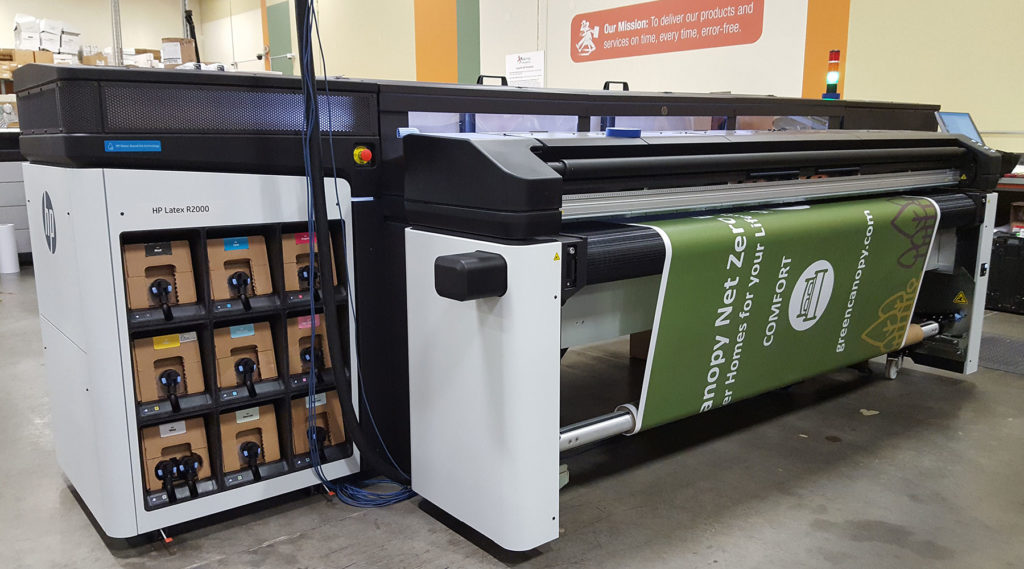
It’s important to note that not all latex printers support white ink. Most entry-level and mid-range models are limited to CMYK or expanded color sets without white. If white ink is essential for your workflow, ensure you select a model specifically designed for this feature.
How White Ink Works in Latex Printing
White ink in latex systems is formulated to be highly opaque and flexible, matching the durability and environmental benefits of standard latex inks. The white ink is typically used in three main ways:
- Underflood (Base Layer): Printing white beneath colored inks on transparent or colored materials to ensure color accuracy and vibrancy.
- Spot White: Printing white only in specific areas for highlights, text, or graphics.
- Overflood (Top Layer): Printing white over colored graphics for special effects or double-sided applications.
Advanced print software allows users to control white ink placement and layering, which is crucial for achieving the desired visual effect, especially on specialty substrates.
Advantages and Limitations of White Ink in Latex Technology
The introduction of white ink in latex printers brings several advantages:
- Versatility: Enables printing on a wider range of materials, including clear films, colored vinyl, and metallic substrates.
- Eco-Friendly: Maintains the low-VOC, odorless, and environmentally conscious profile of latex inks.
- Durability: White latex ink is flexible and scratch-resistant, suitable for indoor and outdoor applications.
However, there are also some limitations to consider:
- Printer Compatibility: Only select models support white ink, often at a higher price point.
- Maintenance: White ink can settle or clog more easily, requiring regular agitation and cleaning.
- Speed: Printing with white ink, especially in multilayer jobs, can reduce throughput compared to standard CMYK printing.
Comparing Latex White Ink to Other Print Technologies
When evaluating latex printers with white ink, it’s helpful to compare them to other technologies like UV-curable and solvent printers. UV printers have long been known for their robust white ink capabilities and are often used for rigid substrates and specialty graphics. Solvent printers, while less common for white ink, can also offer this feature on select models.
Latex printers stand out for their eco-friendly profile, flexibility, and ability to print on both porous and non-porous materials. However, UV printers may offer higher opacity or faster white ink performance in some scenarios. For a detailed comparison, see this in-depth guide on latex vs. UV printing.
Best Practices for Printing White with Latex
To get the most out of white ink in latex printing, consider the following tips:
- Choose Compatible Substrates: Use materials rated for latex and white ink, such as clear films, colored vinyl, or specialty papers.
- Monitor Calibration: Ensure accurate color management and proofing by calibrating your monitor and printer regularly. Tools like monitor calibrators can help maintain color consistency from screen to print.
- Regular Maintenance: Follow manufacturer guidelines for ink agitation and printhead cleaning to prevent white ink settling and clogging.
- Test and Profile: Run test prints and create custom profiles for each substrate to achieve optimal opacity and color accuracy.
Applications That Benefit from White Ink in Latex Printing
The ability to print white opens up a range of creative and commercial possibilities, including:
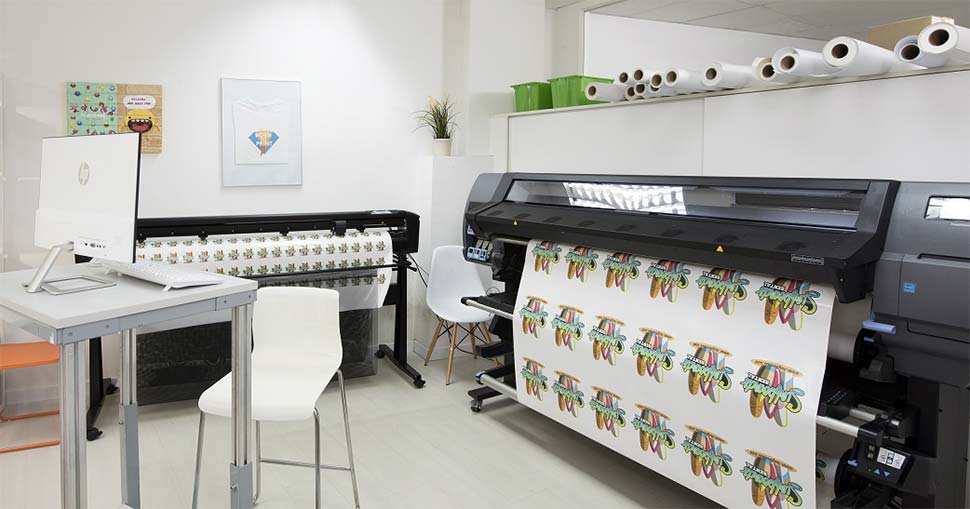
- Window Graphics: Print vibrant images and text on clear films for storefronts and glass partitions.
- Labels and Decals: Produce high-impact graphics on colored or metallic substrates.
- Packaging Prototypes: Create realistic mockups with opaque whites and vivid colors. For more on packaging innovation, see our resource on benefits of cloud-based color management.
- Backlit Displays: Use white ink as a diffuser or highlight for illuminated signage.
These applications highlight the versatility and value of white ink in modern latex printing workflows.
FAQ: White Ink and Latex Printing
Can all latex printers print with white ink?
No, only select models—typically newer or higher-end units—are equipped with white ink channels. Always check the specifications of your printer before planning jobs that require white.
Is white latex ink as durable as standard latex inks?
Yes, white latex ink is formulated for flexibility, scratch resistance, and outdoor durability, matching the performance of standard latex colors.
How does white ink in latex compare to UV or solvent printers?
Latex white ink offers eco-friendly benefits and flexibility, while UV printers may provide higher opacity and faster curing. Solvent printers with white ink are less common but can be suitable for certain applications. Each technology has its strengths depending on the substrate and intended use.
Conclusion
The evolution of latex printing technology now allows for high-quality white ink output on select models, expanding creative and commercial opportunities. When considering whether a latex printer can meet your white ink needs, review the printer’s specifications, understand the maintenance requirements, and evaluate your typical substrates and applications. For those seeking versatility, sustainability, and the ability to print on a wide range of materials, latex printers with white ink are a compelling option.