
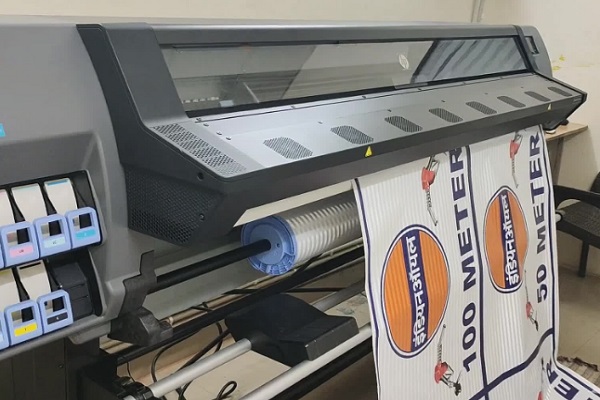

Latex printing technology has become a staple in the world of large-format graphics, offering vibrant colors, durability, and eco-friendly benefits. However, the longevity and appearance of latex prints depend heavily on how they are handled after production. Mishandling can lead to scratches, creases, or even irreversible damage, which is why understanding best practices for latex print handling is crucial for anyone working with these materials—whether in a print shop, during installation, or throughout shipping and storage.
This article provides a comprehensive guide to safely managing latex prints, from the moment they leave the printer to their final application. By following the recommendations outlined here, you can help ensure your graphics remain flawless and professional, minimizing costly reprints and customer complaints.
For those interested in the broader context of print technology, you might also explore what is digital prototyping for packaging to see how digital tools are transforming the packaging industry.
Understanding Latex Printing and Its Unique Handling Needs
Latex prints are produced using water-based inks that are cured at high temperatures, resulting in flexible, odorless, and highly durable graphics. Unlike solvent or UV prints, latex graphics are less prone to cracking and are often ready to handle soon after printing. However, their unique composition means they can be sensitive to improper handling, especially when freshly printed or exposed to harsh environments.
According to HP’s overview of latex printing technology, these prints are designed for resilience, but their surface can still be scratched or marred if not treated with care. Understanding the characteristics of latex prints is the first step toward preventing accidental damage.
Key Steps for Safe Latex Print Handling
To maintain the quality and integrity of your latex graphics, follow these essential steps:
- Allow Proper Curing Time: Even though latex prints are dry to the touch quickly, it’s best to allow a minimum of 24 hours for full curing, especially before rolling, cutting, or laminating.
- Use Clean, Dry Hands or Gloves: Oils, dirt, and moisture from your hands can transfer to the print surface. Wearing lint-free cotton gloves is recommended.
- Minimize Direct Contact: Always handle prints by the edges. Avoid touching the printed area to prevent smudges or scratches.
- Support Large Prints Properly: Use two hands or a rigid support to prevent bending or creasing, particularly with large-format graphics.
- Keep Work Surfaces Clean: Ensure tables and benches are free of debris that could scratch or dent the print.
Storage and Transportation: Protecting Your Latex Graphics
Proper storage and transportation are just as important as careful handling during production. Here are some guidelines to prevent damage during these stages:
- Roll Prints with the Image Out: Rolling with the image facing outward helps prevent ink transfer and reduces the risk of surface abrasion.
- Use Protective Materials: Place a sheet of acid-free tissue or kraft paper between rolled prints to avoid sticking or scratching.
- Avoid Tight Rolling: Roll prints loosely around a core to prevent creasing or cracking, especially for thicker media.
- Store Upright When Possible: Store rolled prints vertically in tubes to minimize pressure and distortion.
- Control Environmental Factors: Keep prints in a cool, dry place away from direct sunlight, excessive heat, or humidity.
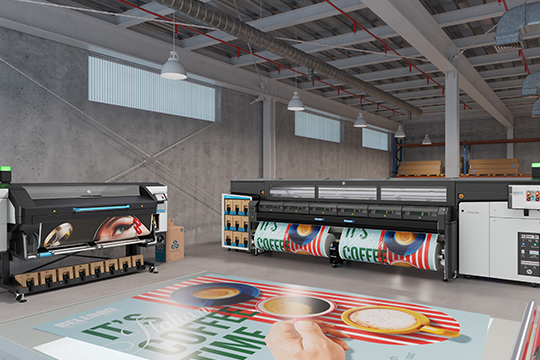
Installation Tips: Ensuring Flawless Application
The installation phase is another critical point where latex graphics can be compromised. Following best practices for latex print handling during application helps prevent bubbles, wrinkles, or surface marks.
- Acclimate Prints: Allow prints to reach room temperature before installation to avoid condensation or warping.
- Use the Right Tools: Employ soft squeegees and felt-edge applicators to avoid scratching the print surface.
- Work in a Clean Area: Dust and debris can get trapped under the graphic, causing imperfections.
- Avoid Excessive Pressure: Apply even, gentle pressure to prevent stretching or distorting the media.
- Check Alignment Before Final Application: Dry-fit the print to ensure proper placement and minimize repositioning.
Common Mistakes to Avoid When Handling Latex Prints
Even experienced professionals can make mistakes that compromise the quality of latex graphics. Here are some pitfalls to watch out for:
- Handling Before Fully Cured: Rushing the process can result in fingerprints, smudges, or ink transfer.
- Stacking Prints Without Protection: Direct contact between prints can cause sticking or abrasion.
- Ignoring Environmental Conditions: High humidity or temperature fluctuations can lead to curling or delamination.
- Improper Rolling or Folding: Never fold latex prints, as this can cause permanent creases.
- Using Dirty Tools: Applicators or knives with residue can scratch or mark the print surface.
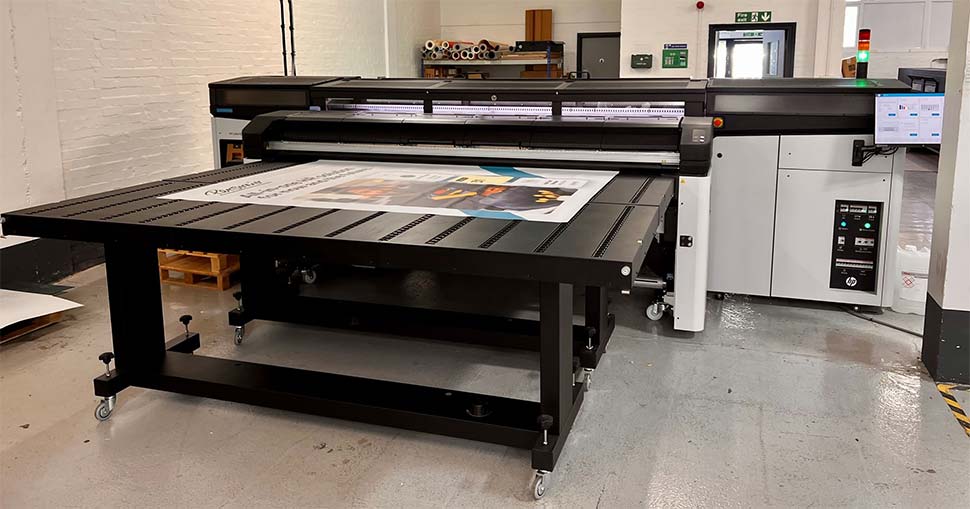
Additional Tips for Maintaining Latex Print Quality
Beyond the basics, a few extra steps can further extend the life and appearance of your latex graphics:
- Consider Lamination: Adding a protective laminate can shield prints from UV exposure, abrasion, and moisture, especially for outdoor or high-traffic applications.
- Regular Cleaning: Use a soft, damp cloth to gently wipe the surface. Avoid harsh chemicals or abrasive pads.
- Monitor Color Consistency: Regularly calibrate your monitor and printer to ensure color accuracy from design to print. For more on color management, see the benefits of cloud-based color management.
- Educate Your Team: Train all staff involved in handling, installing, or shipping latex prints on proper procedures.
FAQ: Latex Print Handling and Care
How long should I wait before handling latex prints after printing?
While latex prints are often dry to the touch within minutes, it’s best to wait at least 24 hours before handling extensively, rolling, or laminating. This ensures the ink is fully cured and less susceptible to damage.
Can I use any cleaning solution on latex prints?
No, you should avoid harsh chemicals or abrasive cleaners. Use only a soft, damp cloth with water or a mild, non-abrasive solution. Always test on a small area first to ensure compatibility.
What is the safest way to transport large latex graphics?
Roll the print loosely with the image facing out, place protective paper between layers, and use a sturdy tube for support. Store and transport the tube upright when possible and avoid exposing it to extreme temperatures or humidity.
Is lamination necessary for all latex prints?
Lamination is not always required, but it is recommended for prints that will be exposed to heavy handling, outdoor conditions, or environments where abrasion and moisture are concerns. It adds an extra layer of protection and can extend the life of your graphics.
What should I do if my latex print gets creased or bent?
Unfortunately, creases in latex prints are often permanent. Prevention is key—always handle prints gently, use proper supports, and avoid folding. If a print is damaged, you may need to reprint the graphic for best results.
By following these best practices for latex print handling, you can help ensure your graphics remain vibrant, professional, and long-lasting. For those interested in advanced print finishing techniques, consider learning more about what is holographic lamination for eye-catching effects.




