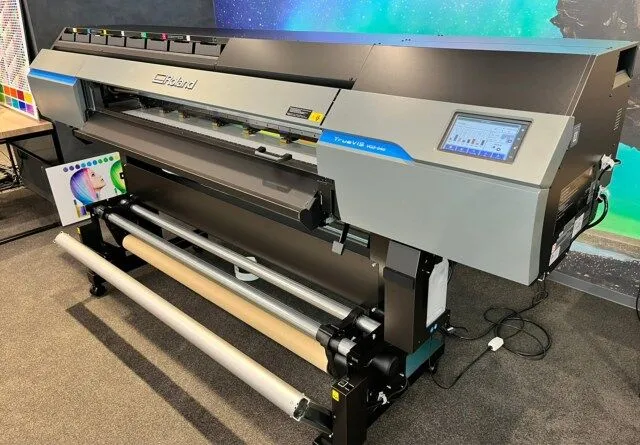

Choosing between eco solvent ink cartridges and bulk ink systems is a key decision for anyone involved in wide-format printing, signage, or specialty packaging. Each approach offers unique advantages and challenges, affecting everything from print quality and workflow efficiency to cost and environmental impact. This guide explores the practical differences, helping you determine which solution aligns best with your production needs and business goals.
Understanding the nuances between these two ink delivery methods is especially important as print technology evolves. Whether you’re running a small print shop or managing industrial-scale output, the right choice can impact your bottom line and the sustainability of your operations. For those interested in broader trends, you might also find value in exploring trends in wood-grain and natural textures on print to see how ink choices influence material aesthetics.
Understanding Eco Solvent Ink Delivery Methods
Eco solvent inks are formulated to be less toxic and more environmentally friendly than traditional solvent inks, making them popular for indoor and outdoor graphics. The two primary ways to supply these inks to printers are through pre-filled cartridges or bulk ink systems (also known as continuous ink supply systems, or CISS).
- Cartridge-based systems use sealed, manufacturer-specific containers that slot directly into the printer.
- Bulk ink setups rely on larger external reservoirs, which feed ink to the printheads via tubes, allowing for higher volume printing and easier refilling.
Both methods are compatible with most modern eco solvent printers, but their operational differences can significantly affect workflow and costs.
Key Differences: Cartridges vs Bulk Ink Systems
When comparing eco solvent ink cartridge vs bulk ink approaches, several core distinctions emerge. These differences influence not only the day-to-day operation but also long-term maintenance and print consistency.

| Aspect | Cartridge System | Bulk Ink System |
|---|---|---|
| Initial Setup | Plug-and-play; minimal installation | Requires installation of tanks and tubing |
| Cost Efficiency | Higher per milliliter; predictable spend | Lower ink cost; higher initial investment |
| Maintenance | Low; replace when empty | Regular cleaning and monitoring needed |
| Waste | More plastic waste per cartridge | Less packaging waste; refillable |
| Color Consistency | Very consistent; less risk of contamination | Possible variation if not handled properly |
| Downtime | Quick swap; minimal interruption | Refilling can take longer; risk of air bubbles |
Advantages of Eco Solvent Ink Cartridges
Cartridge-based systems are often favored by users who value simplicity and reliability. Here are some of the main benefits:
- Ease of Use: Cartridges are designed for straightforward installation and replacement, making them ideal for environments where operator training is limited.
- Reduced Risk of Contamination: Since cartridges are sealed, there’s less chance of dust or debris entering the ink supply, which helps maintain printhead health.
- Predictable Color Output: Manufacturers rigorously test cartridges for color accuracy, ensuring consistent results from batch to batch.
- Minimal Maintenance: There’s no need to monitor ink lines or tanks, reducing the risk of clogs or air bubbles that can disrupt printing.
For small businesses or those producing short runs, cartridges can be a practical, low-hassle solution.
Benefits and Considerations of Bulk Ink Systems
Bulk ink setups are increasingly popular among high-volume print operations. Their main advantages include:
- Significant Cost Savings: Bulk ink is much cheaper per milliliter, which can dramatically reduce operational expenses for large print jobs.
- Less Frequent Refilling: Larger reservoirs mean fewer interruptions, supporting longer, unattended print runs.
- Reduced Environmental Impact: Using refillable tanks cuts down on plastic waste and packaging, supporting sustainability goals.
However, bulk ink systems require more attention. Operators must regularly check for air bubbles, clean the system, and ensure inks are stored and handled properly to avoid color shifts or printhead issues. For those interested in sustainable printing, you may want to read the guide to solvent-free printing processes for further insights.
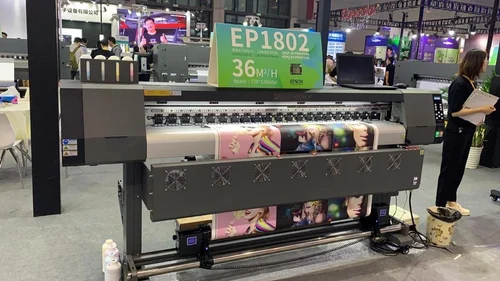
Which Printing Applications Suit Each System?
The choice between cartridge and bulk ink setups often depends on the type and scale of printing:
- Cartridges: Best for short-run jobs, specialty packaging, and environments where print quality and color accuracy are paramount. They’re also ideal for users who switch between different ink types or colors frequently.
- Bulk Ink: Suited for banners, vehicle wraps, and other high-volume applications where cost savings and efficiency are critical. These systems are preferred by print shops with predictable, large-scale output.
For specialty packaging or photographic quality on corrugated materials, ink consistency is crucial. Learn more about achieving top results in these areas in the article on how to achieve photographic quality on corrugated flutes.
Environmental and Economic Impact
Eco solvent inks are already a step forward in reducing volatile organic compounds (VOCs) and hazardous waste. Bulk ink systems further this benefit by minimizing plastic cartridge waste and reducing shipping emissions due to less frequent deliveries. However, cartridges remain popular for their reliability and ease of recycling through manufacturer take-back programs.
For a deeper understanding of eco solvent ink chemistry and its benefits, see this comprehensive overview of eco solvent ink and printers.
Practical Tips for Making the Right Choice
- Evaluate your average print volume and job types before investing in a system.
- Consider the skill level of your operators—cartridges are more forgiving for beginners.
- Factor in long-term costs, including maintenance, waste disposal, and potential downtime.
- Check printer compatibility—some models are designed exclusively for one system.
- Think about your sustainability goals and how each option aligns with them.
For businesses exploring specialty applications, such as what is sublimation printing for specialty packaging, understanding ink delivery systems is essential for optimizing results.
FAQ
Are bulk ink systems compatible with all eco solvent printers?
Not all printers support bulk ink setups. Some require proprietary cartridges and may void warranties if modified. Always check your printer’s specifications and consult with the manufacturer before switching to a bulk system.
How do I prevent color inconsistencies with bulk ink?
To maintain consistent color output, use high-quality, manufacturer-recommended inks and follow best practices for cleaning and maintaining the ink delivery system. Regularly agitate ink tanks and avoid mixing different ink brands or batches.
Which option is better for reducing environmental impact?
Bulk ink systems generally produce less plastic waste and are more sustainable in high-volume environments. However, cartridges can be recycled through take-back programs, and their sealed design reduces the risk of accidental spills or contamination.
Is there a difference in printhead lifespan between the two systems?
Printhead longevity depends more on maintenance and ink quality than the delivery method. Cartridges reduce the risk of air bubbles and clogs, while bulk systems require more diligent care to avoid issues that could affect printhead health.