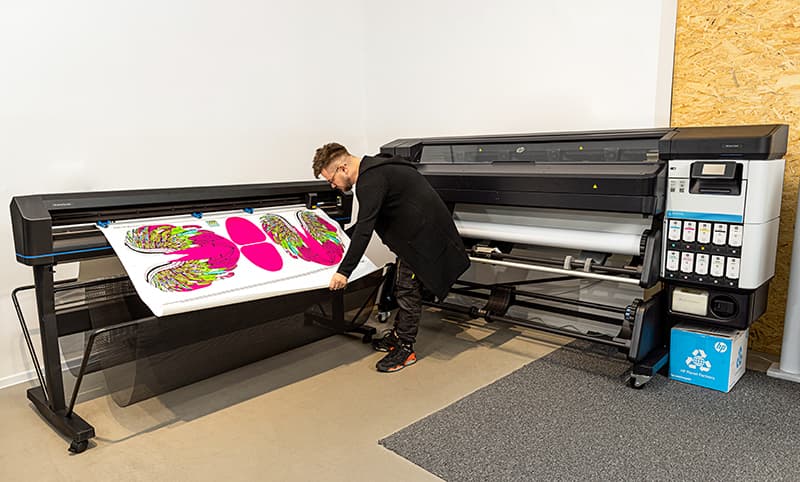

The durability of latex prints is a critical concern for anyone producing signage, displays, or decorative graphics. Among the many elements that influence how long these prints maintain their original appearance, UV exposure and print fading stand out as primary challenges. Understanding how sunlight, artificial lighting, and environmental factors interact with latex inks and substrates is essential for maximizing the lifespan of printed materials.
Latex printing technology is widely valued for its eco-friendliness and versatility, but even the most advanced systems must contend with the effects of ultraviolet light. Whether prints are displayed outdoors or in brightly lit interiors, exposure to UV rays can gradually degrade colors and reduce vibrancy. In this article, we’ll explore the science behind print fading, the role of UV radiation, and practical steps to extend the longevity of latex-printed graphics.
For those interested in broader print trends, you might also want to read about trends in wood-grain and natural textures on print, which explores how surface finishes impact visual appeal and durability.
How UV Light Affects Latex Prints
Ultraviolet radiation is a form of energy emitted by the sun and some artificial light sources. When latex prints are exposed to UV rays, the energy can break down the chemical bonds in the ink pigments and the substrate itself. This process, known as photodegradation, leads to visible fading, color shifts, and sometimes even physical deterioration of the print surface.
The degree of UV exposure and print fading depends on several factors:
- Intensity and duration of exposure: Prints in direct sunlight or under strong UV-emitting lights fade faster than those in shaded or controlled environments.
- Ink formulation: Latex inks are designed to be more resistant than some alternatives, but not all latex inks offer the same level of UV stability.
- Substrate characteristics: The type and quality of the material being printed on can influence how much UV light is absorbed or reflected, affecting overall durability.
Key Contributors to Print Fading
While UV radiation is the most significant factor, several other elements can accelerate or mitigate fading in latex prints:
- Environmental pollutants: Ozone, nitrogen oxides, and other airborne chemicals can react with ink and substrate, hastening color loss.
- Humidity and temperature: High moisture levels and temperature fluctuations can weaken ink adhesion and promote chemical changes.
- Mechanical abrasion: Frequent handling, cleaning, or contact with abrasive surfaces can wear away protective layers and expose inks to further damage.
- Quality of overlaminates and coatings: Protective films and varnishes can block a portion of UV rays and shield prints from physical harm, but their effectiveness varies by product.
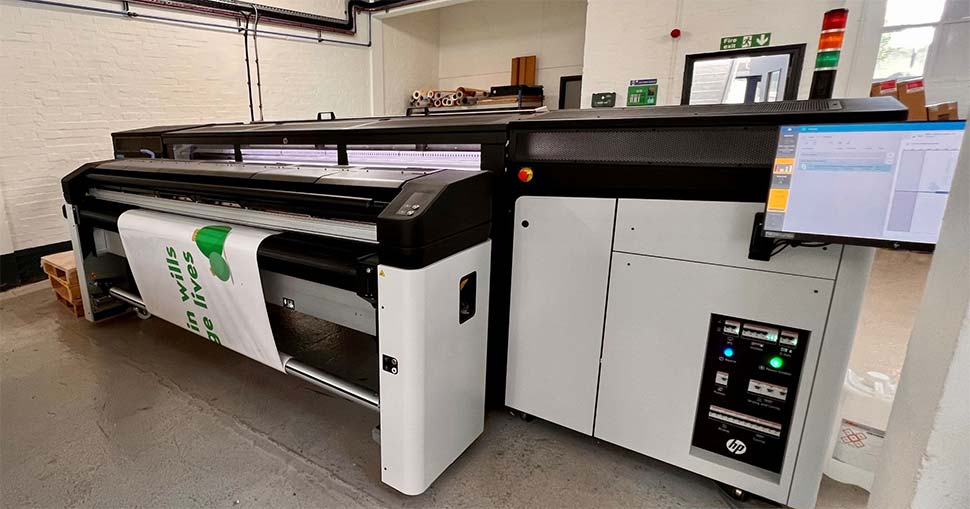
Latex Ink Technology and UV Resistance
Latex inks are water-based and contain pigment particles encapsulated in a latex polymer. This structure provides several advantages for print longevity, including improved flexibility and environmental safety. However, the pigments themselves are the primary line of defense against UV-induced fading.
Manufacturers often use high-quality, lightfast pigments in latex inks to resist color changes. Some latex prints can last several years outdoors without significant fading, especially when paired with UV-blocking laminates. Still, the actual lifespan depends on the specific ink formulation and the conditions in which the print is displayed.
For a detailed look at the strengths and limitations of latex printing, see this comprehensive overview of latex print advantages and disadvantages.
Best Practices to Minimize UV-Induced Fading
To extend the life of latex prints and preserve color vibrancy, consider the following strategies:
- Choose high-quality inks and substrates: Opt for inks with proven lightfastness ratings and substrates designed for outdoor or high-light environments.
- Apply UV-protective laminates: Overlaminates and clear coatings can block a significant portion of UV rays, providing an extra layer of defense.
- Control display conditions: Place prints away from direct sunlight when possible, or use UV-filtering glass/acrylic for framed pieces.
- Regular maintenance: Clean prints gently with non-abrasive materials and avoid harsh chemicals that could degrade protective layers.
- Monitor color accuracy: Use a monitor calibrator to ensure that your digital files match the intended output, helping you detect early signs of fading or color shifts.
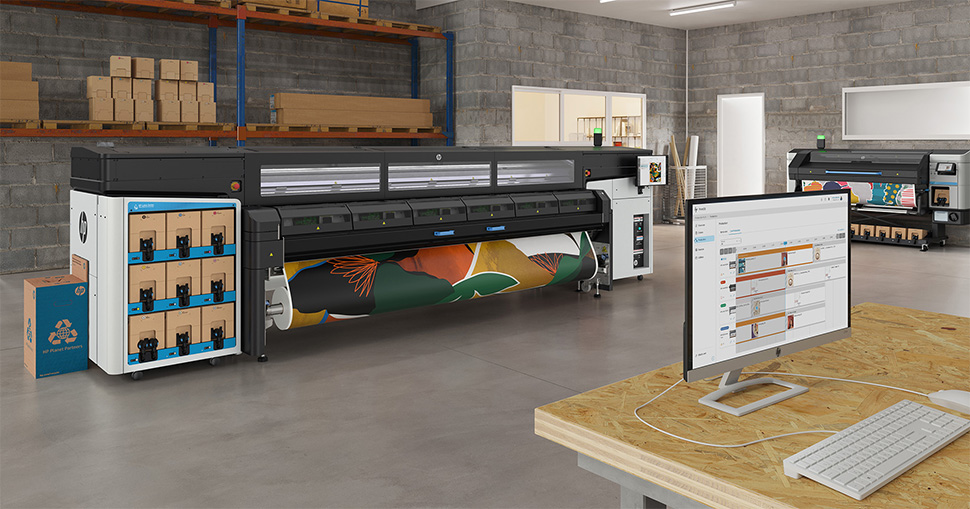
Comparing Latex with Other Printing Technologies
When considering UV exposure and print fading, it’s useful to compare latex printing with other common technologies such as solvent, eco-solvent, and UV-curable inks. Latex inks generally offer a good balance between environmental safety and fade resistance. Solvent inks may provide longer outdoor durability, but they often come with higher VOC emissions and require more ventilation. UV-curable inks are highly resistant to sunlight, but the rigidity of the cured ink layer can limit flexibility on certain substrates.
For those interested in sustainable printing, the guide to solvent-free printing processes provides additional insights into environmentally conscious alternatives.
Environmental and Application Considerations
The intended use of a print should guide your approach to UV protection. Outdoor banners, vehicle wraps, and building signage are most at risk of rapid fading due to constant sunlight. In contrast, indoor graphics may only need minimal protection unless placed near windows or under strong artificial lighting.
It’s also important to consider regional climate. Areas with high UV indexes, such as equatorial or high-altitude locations, will see faster degradation than temperate zones. Regularly assessing the display environment and updating protective measures can help maintain print quality over time.
Frequently Asked Questions
How long do latex prints last outdoors before noticeable fading?
With proper materials and UV protection, latex prints can last from one to five years outdoors before significant fading occurs. The actual duration depends on sunlight exposure, ink quality, and whether a protective laminate is used.
What are the best ways to protect prints from UV damage?
Applying a UV-blocking laminate or coating is the most effective method. Additionally, positioning prints away from direct sunlight and using UV-filtering glazing for framed displays can further reduce fading.
Are latex inks more resistant to fading than solvent or UV-curable inks?
Latex inks offer good fade resistance, especially when high-quality pigments are used. However, UV-curable inks generally provide the highest resistance to sunlight, while solvent inks can also be durable but may pose environmental concerns.
Does the choice of substrate affect print longevity?
Yes, the substrate plays a significant role. Some materials absorb more UV light or degrade faster, which can accelerate fading. Using substrates rated for outdoor or high-light applications will help extend print life.
Understanding the impact of UV exposure and print fading is essential for anyone seeking to produce long-lasting latex prints. By selecting the right materials, applying effective protective measures, and staying informed about the latest print technologies, you can ensure your graphics remain vibrant and appealing for years to come.