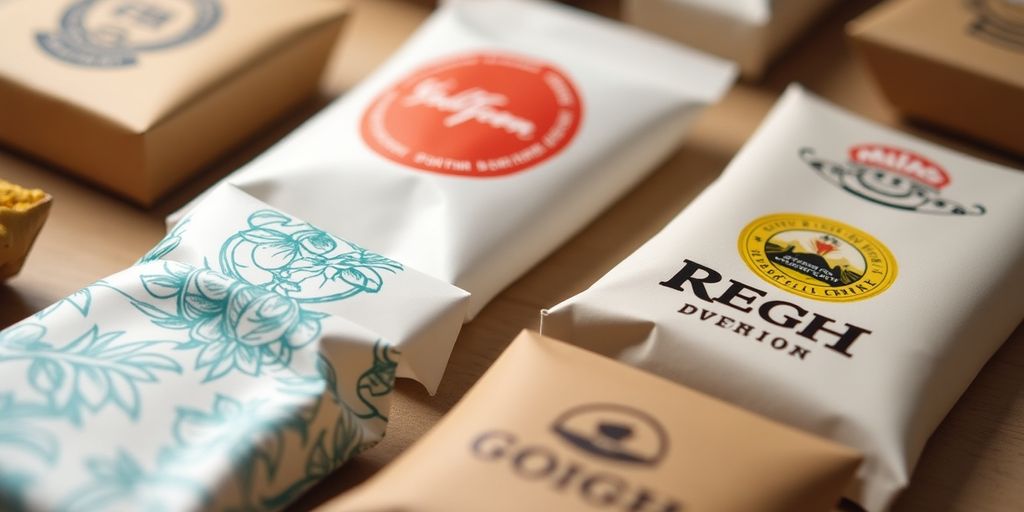

Geometric patterns have become a defining element in contemporary packaging design, offering brands a way to stand out on shelves and communicate a sense of modernity and sophistication. As consumer preferences shift toward visually engaging and memorable packaging, designers are leveraging geometric motifs to create distinctive brand identities and enhance product appeal. Understanding the trends in geometric patterns for packaging is essential for anyone involved in branding, design, or product development.
These patterns are more than just decorative—they serve as a strategic tool to capture attention, convey brand values, and even hint at product qualities. From minimalist grids to bold, abstract shapes, geometric designs are evolving rapidly, influenced by advances in printing technology and changing market demands. For those interested in broader packaging trends, exploring the trends in wood-grain and natural textures on print provides additional insight into how tactile and visual elements are shaping the industry.
Why Geometric Patterns Dominate Modern Packaging
The rise of geometric motifs in packaging is driven by their versatility and strong visual impact. Clean lines, symmetry, and repetition can create a sense of order and reliability, while more abstract arrangements suggest creativity and innovation. These elements help products stand out in crowded retail environments and support brand recognition across multiple platforms.
Another reason for the popularity of geometric designs is their adaptability. They can be scaled, rotated, or layered to fit various packaging shapes and sizes, making them suitable for everything from small cosmetics to large shipping boxes. The use of bold colors and high-contrast patterns further amplifies shelf presence, drawing the consumer’s eye and encouraging closer inspection.
Key Trends in Geometric Patterns for Packaging Design
Several distinct directions have emerged in the use of geometric motifs for packaging. By understanding these trends, brands can make informed decisions that align with their identity and audience expectations.
Minimalist Geometry and Clean Lines
Minimalism remains a dominant force in packaging design. Simple geometric shapes—such as circles, triangles, and rectangles—arranged in uncluttered compositions create a sense of elegance and modernity. This approach often relies on a limited color palette and generous white space, allowing the product and brand name to take center stage.
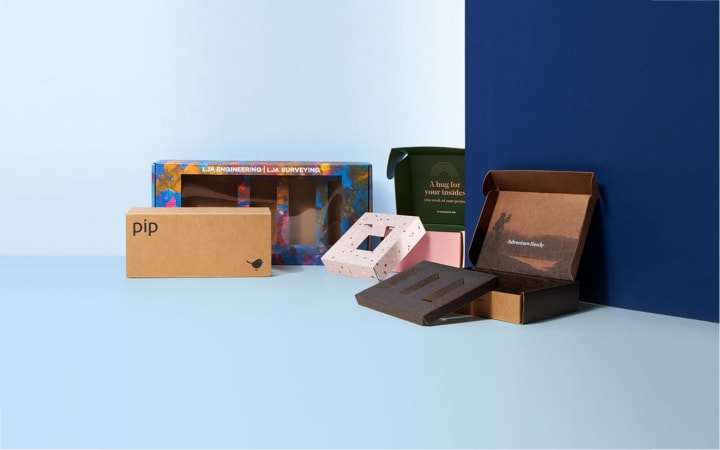
Minimalist geometry is especially popular among premium and eco-friendly brands, as it communicates transparency and trust. This style also aligns well with sustainable packaging initiatives, where less ink and simpler designs are preferred.
Bold, Abstract, and Layered Motifs
On the other end of the spectrum, some brands are embracing bold, overlapping shapes and vibrant color schemes. These designs often feature irregular polygons, dynamic lines, and unexpected juxtapositions, resulting in packaging that feels energetic and contemporary. Layering different shapes and transparencies adds depth and complexity, making the package itself a piece of art.
Such approaches are particularly effective for products targeting younger demographics or those positioned as innovative and trendsetting. The use of bold geometric patterns can also help brands differentiate themselves in highly competitive categories.
Retro and Vintage-Inspired Geometry
Another notable direction is the revival of retro geometric styles, drawing inspiration from the 1960s, 70s, and 80s. Think repeating chevrons, concentric circles, and tessellated grids in nostalgic color palettes. This trend taps into consumers’ desire for familiarity and comfort, while still offering a fresh take through updated materials and finishes.
Retro-inspired patterns often work well for limited-edition products, seasonal packaging, or brands seeking to evoke a sense of heritage and authenticity.
Technological Advances Shaping Geometric Packaging
Recent developments in digital printing and finishing techniques have expanded what’s possible with geometric designs. High-resolution printing allows for crisp lines and intricate details, while specialty finishes—such as embossing, foil stamping, and spot varnish—add tactile and visual interest. These innovations enable brands to experiment with more complex patterns and achieve effects that were previously difficult or costly to produce.
According to industry insights from the digital print for packaging market, the demand for high-quality, customizable packaging is driving investment in new printing technologies. This shift supports the growing trend toward short-run, personalized packaging, where geometric motifs can be tailored to specific campaigns or customer segments.
Color Palettes and Material Choices
The impact of geometric patterns is closely tied to color selection and material finishes. While monochrome and duotone schemes remain popular for their simplicity, designers are increasingly experimenting with bold, contrasting hues to create visual excitement. Metallic foils, matte coatings, and textured substrates further enhance the effect, making geometric packaging both visually and physically engaging.
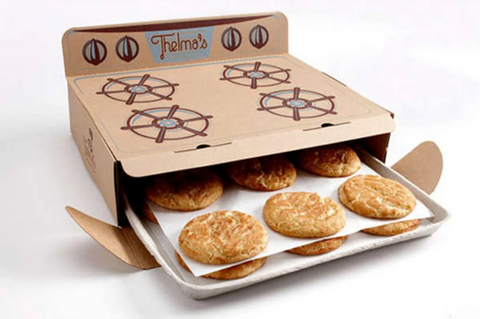
Material choice also plays a crucial role. Recycled and eco-friendly substrates are being paired with geometric motifs to reinforce sustainability messages. Transparent and frosted materials offer additional opportunities for creative layering and interplay between the product and its packaging.
Integrating Geometric Patterns with Other Packaging Trends
Geometric motifs are often combined with other design trends to create unique and memorable packaging. For example, pairing geometric shapes with solvent-free printing processes can help brands communicate a commitment to sustainability. Similarly, integrating geometric elements with natural textures or photographic imagery—such as those discussed in the guide to achieving photographic quality on corrugated flutes—can result in packaging that feels both modern and authentic.
Brands are also exploring interactive elements, such as QR codes embedded within geometric designs, to bridge the gap between physical packaging and digital experiences. This approach not only enhances the visual appeal but also provides added value to consumers.
Best Practices for Using Geometric Patterns in Packaging
- Align with Brand Identity: Choose geometric motifs that reflect your brand’s personality and values.
- Balance Complexity and Clarity: Ensure that patterns enhance, rather than overwhelm, key information like product names and instructions.
- Consider Printing Capabilities: Work closely with your printer to select patterns and finishes that can be produced reliably and cost-effectively.
- Test for Shelf Impact: Evaluate how your packaging stands out among competitors and in various retail environments.
- Stay Informed on Industry Innovations: Keep up with new materials, printing techniques, and design tools to maintain a competitive edge. For insights into automation and finishing, see the future of cobots in packaging decoration.
FAQ
What makes geometric patterns effective in packaging design?
Geometric motifs are visually striking and versatile, allowing brands to create memorable packaging that communicates modernity, order, or creativity. Their adaptability to different shapes and materials makes them suitable for a wide range of products.
How do printing technologies influence geometric packaging trends?
Advances in digital printing and finishing techniques enable designers to use more intricate and layered geometric patterns. These technologies support short-run and personalized packaging, allowing for greater experimentation and customization.
Can geometric patterns be combined with sustainable packaging?
Absolutely. Many brands are pairing geometric designs with recycled or eco-friendly materials, as well as solvent-free printing methods, to reinforce their commitment to sustainability while maintaining a modern aesthetic.