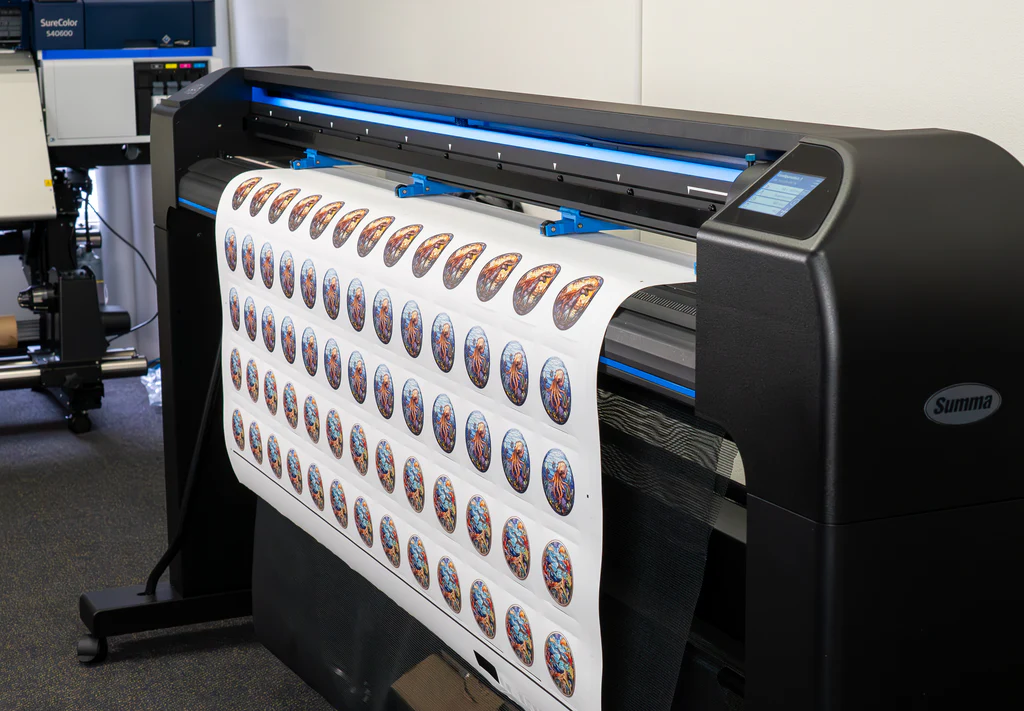

As the printing industry continues to evolve, eco solvent ink disadvantages are becoming a key consideration for businesses and individuals seeking sustainable solutions. While these inks are often promoted as an environmentally friendlier alternative to traditional solvent inks, they come with their own set of limitations that can impact print quality, cost, and operational efficiency. Understanding these drawbacks is essential for anyone evaluating options for signage, packaging, or wide-format printing.
This guide will break down the most significant challenges associated with eco solvent inks, offering a balanced perspective for print professionals and decision-makers. For those interested in broader innovations in the field, exploring what is digital prototyping for packaging can provide additional context on how technology is shaping modern print workflows.
Understanding the Limitations of Eco Solvent Inks
Eco solvent inks are formulated with fewer volatile organic compounds (VOCs) and are designed to be less harmful to the environment than traditional solvent-based inks. However, these advantages come with certain trade-offs. Before switching to eco-friendly alternatives, it’s important to weigh the following limitations that might affect your printing operations.
Print Durability and Longevity Concerns
One of the most commonly cited eco solvent ink disadvantages is the reduced durability compared to their traditional counterparts. While eco solvent inks perform well for indoor applications and short-term outdoor use, they may not withstand prolonged exposure to harsh weather, UV light, or abrasion as effectively as standard solvent inks.
- Outdoor signage printed with eco solvent inks can fade or degrade faster, especially in areas with intense sunlight or frequent rain.
- Applications requiring frequent handling or cleaning may see prints deteriorate sooner.
For projects demanding maximum longevity, such as vehicle wraps or long-term outdoor banners, it’s crucial to consider whether the reduced resilience of eco solvent inks aligns with your requirements.
Material Compatibility Issues
Another drawback is the limited compatibility with certain substrates. Eco solvent inks are optimized for specific coated media and may not adhere well to uncoated or specialty materials. This can restrict the range of printable products and surfaces, potentially increasing material costs or requiring additional pre-treatment steps.
- Some plastics, metals, and specialty films may not accept eco solvent inks without special coatings.
- The need for compatible media can limit creative flexibility and increase inventory complexity.
Slower Drying Times and Production Bottlenecks
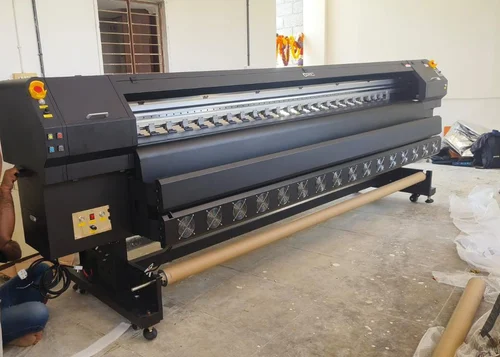
Eco solvent inks tend to dry more slowly than traditional solvent inks. This slower evaporation rate can lead to production delays, especially in high-volume environments where quick turnaround is essential.
- Prints may require additional drying time before handling, finishing, or lamination.
- Bottlenecks can occur on busy production lines, potentially reducing overall throughput.
For businesses focused on rapid delivery or just-in-time manufacturing, these slower drying times can impact efficiency and scheduling.
Color Gamut and Print Quality Trade-Offs
While eco solvent inks have improved significantly, some users still report a narrower color gamut and less vibrant output compared to traditional inks. This can be a concern for applications where color accuracy and vividness are critical, such as high-end retail graphics or photographic reproductions.
- Certain shades, especially deep reds and blues, may appear less saturated.
- Fine details and gradients can sometimes suffer from reduced clarity.
For projects demanding the highest visual impact, it’s important to test and profile eco solvent inks carefully to ensure they meet your standards.
Operational and Cost Considerations
Equipment Compatibility and Maintenance
Transitioning to eco solvent inks may require investment in compatible printers or upgrades to existing equipment. Not all solvent printers can handle eco formulations without modifications, and using the wrong ink can void warranties or damage printheads.
- Specialized printheads and regular maintenance may be needed to prevent clogging or inconsistent output.
- Switching between ink types can involve time-consuming cleaning cycles.
Factoring in these operational requirements is essential for a smooth transition and to avoid unexpected downtime.
Higher Upfront Costs
Although eco solvent inks are often marketed as cost-effective in the long run, their initial purchase price can be higher than standard solvent inks. Additionally, the need for compatible media and potential equipment upgrades can add to overall expenses.
- Budgeting for both ink and substrate costs is important when evaluating total project expenses.
- The return on investment may take longer to realize, especially for smaller print shops.
Environmental Impact: Not a Perfect Solution
Despite their “eco” label, these inks are not entirely free from environmental concerns. While they emit fewer VOCs and are less hazardous, they still contain chemicals that require proper handling and disposal. For a deeper understanding of how these inks compare to other digital printing technologies, you can read this comprehensive explanation of eco solvent digital ink.
Businesses seeking the lowest possible environmental footprint may want to explore alternatives such as water-based or UV-curable inks, depending on their application needs.
Comparing Eco Solvent Inks to Other Printing Technologies
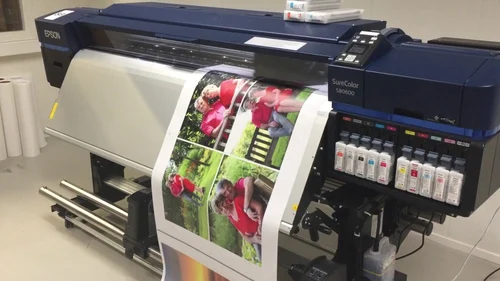
When evaluating print solutions, it’s useful to compare the limitations of eco solvent inks with other technologies. For example, UV-curable inks offer faster drying and broader substrate compatibility, while water-based inks are often safer for indoor use but may lack outdoor durability. Each technology presents its own balance of advantages and drawbacks.
Innovations such as cloud-based color management are also transforming how print quality and consistency are maintained across different ink types and devices, helping to mitigate some of the challenges associated with color accuracy and workflow efficiency.
Frequently Asked Questions
Are eco solvent inks truly environmentally friendly?
While eco solvent inks emit fewer hazardous chemicals and VOCs than traditional solvent inks, they are not completely free from environmental impact. Proper handling and disposal are still necessary, and businesses seeking the greenest solution should compare all available ink technologies.
Can eco solvent inks be used for outdoor signage?
Yes, but with limitations. Eco solvent inks are suitable for short- to medium-term outdoor applications. For signage exposed to harsh weather or requiring extended durability, traditional solvent or UV-curable inks may offer better performance.
What materials are compatible with eco solvent inks?
These inks work best with coated vinyl, banners, and certain papers. Some specialty materials or uncoated substrates may require pre-treatment or may not be suitable at all, so always check media compatibility before printing.
Conclusion
While eco solvent inks offer environmental and safety benefits, their disadvantages—such as reduced durability, slower drying times, limited substrate compatibility, and higher upfront costs—should be carefully considered. By weighing these factors against your specific printing needs, you can make an informed decision about whether this technology is the right fit for your business or project.
For more insights on emerging print technologies and how they impact production, explore topics like what is electron beam curing in printing or what is holographic lamination to stay updated on the latest advancements in the industry.