Achieving vibrant, durable, and energy-efficient backlit displays relies on choosing the right ink technology. Eco solvent ink for backlit printing has become a preferred solution for sign makers, print shops, and brands seeking high-quality illuminated graphics. This guide explores how eco solvent formulations deliver optimal results for backlit applications, what makes them unique, and how to maximize their performance.
Whether you’re producing retail signage, lightboxes, or outdoor displays, understanding the advantages of eco solvent inks can help you deliver sharper, longer-lasting prints. For those interested in the latest innovations in print production, exploring topics like what is digital prototyping for packaging can also provide valuable insights into streamlining workflows and improving output.
Understanding Eco Solvent Inks for Illuminated Graphics
Eco solvent inks are a type of mild solvent-based ink designed to be less toxic and more environmentally friendly than traditional solvent inks. They are formulated to work with a wide range of substrates, including vinyl, PET film, and coated papers—making them ideal for illuminated signage and backlit displays.
The unique chemistry of eco solvent inks allows them to penetrate the surface of compatible media, resulting in prints that are both durable and resistant to fading, even when exposed to lightboxes or outdoor conditions. Their flexibility and vibrant color output make them a top choice for applications where backlighting is essential.
Why Choose Eco Solvent Ink for Backlit Printing?
When producing backlit graphics, the choice of ink directly impacts color vibrancy, image clarity, and longevity. Here’s why eco solvent options stand out:
- High Color Density: These inks produce rich, saturated colors that remain vivid when illuminated from behind, ensuring graphics pop in both daylight and at night.
- Excellent Durability: Prints are resistant to water, UV exposure, and abrasion, making them suitable for indoor and outdoor use.
- Eco-Friendly Profile: Reduced volatile organic compounds (VOCs) and lower odor levels make them safer for operators and the environment.
- Media Versatility: Compatible with a broad range of backlit films and substrates, including specialty translucent materials.
- Cost-Effective: Lower maintenance requirements and longer printhead life help reduce operational costs over time.
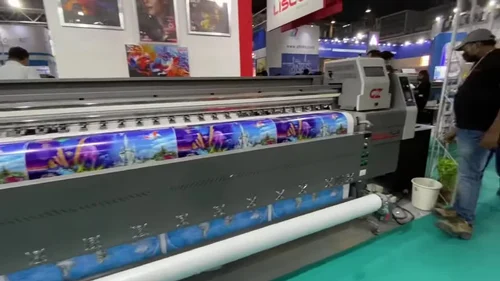
Key Factors for Optimal Backlit Print Quality
To achieve the best results with eco solvent ink for backlit printing, consider the following factors throughout your workflow:
1. Media Selection
Choose backlit films or translucent substrates specifically designed for eco solvent compatibility. These materials ensure proper ink adhesion and optimal light diffusion, resulting in even illumination and crisp images.
2. Printer Calibration
Regularly calibrate your printer for color accuracy and density. Adjusting ink limits and linearization curves can help achieve the deep blacks and vibrant colors needed for illuminated displays.
3. Print Mode and Resolution
Use high-resolution print modes for detailed graphics. Slower print speeds may increase ink laydown, enhancing color saturation and backlit vibrancy.
4. Ink Layering Techniques
For double-sided or day/night backlit prints, consider printing multiple ink layers or using white ink underlays (if supported by your printer). This technique boosts opacity and ensures consistent color under varying lighting conditions.
Comparing Eco Solvent to Other Ink Technologies
While eco solvent options are popular for backlit applications, it’s helpful to compare them with other technologies like UV-curable and latex inks. Each has unique strengths:
- UV Inks: Instantly cured, suitable for rigid substrates, but may lack the flexibility and translucency needed for some backlit films.
- Latex Inks: Water-based, environmentally friendly, and versatile, but may require specific media and post-processing for optimal backlit performance.
- Traditional Solvent Inks: Durable and vibrant, but higher VOC emissions and odor make them less desirable for indoor or eco-conscious environments.
For a deeper dive into the differences between ink types, see this comparison of UV ink and eco solvent ink technologies.
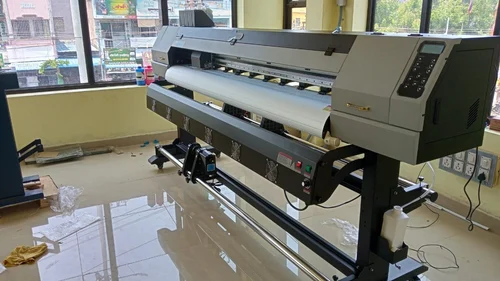
Tips for Maximizing Backlit Print Performance
- Store Media Properly: Keep backlit films in a clean, dry environment to prevent dust and static buildup, which can affect print quality.
- Allow Adequate Drying Time: Eco solvent prints may require several hours to fully cure. Avoid handling or installing prints until inks are dry to the touch.
- Use ICC Profiles: Apply manufacturer-recommended color profiles for your specific ink and media combination to ensure accurate color reproduction.
- Regular Maintenance: Clean printheads and perform routine printer maintenance to prevent banding and ensure consistent output.
- Test Before Production: Run small test prints to check color density and translucency before committing to large production runs.
Applications of Eco Solvent Backlit Printing
The versatility of eco solvent inks makes them suitable for a wide range of illuminated graphics, including:
- Retail lightboxes and point-of-sale displays
- Airport and transit signage
- Outdoor advertising billboards
- Menu boards and promotional panels
- Event graphics and exhibition displays
For brands looking to create eye-catching effects, combining eco solvent backlit prints with specialty finishes—such as holographic lamination—can further enhance visual impact and draw attention in competitive environments.
Frequently Asked Questions
What makes eco solvent ink suitable for backlit displays?
Eco solvent ink formulations offer high color density, excellent adhesion to translucent media, and resistance to fading from light exposure. These properties ensure that illuminated graphics remain vibrant and clear over time, making them ideal for backlit signage.
Can eco solvent prints be used outdoors?
Yes, prints produced with eco solvent inks are highly durable and weather-resistant. They can withstand UV exposure, moisture, and temperature fluctuations, making them suitable for both indoor and outdoor backlit applications.
How do I ensure the best color accuracy with eco solvent inks?
Use ICC color profiles tailored to your printer, ink, and media combination. Regular calibration and test prints are also important to maintain consistent color output, especially for demanding backlit projects.
Are eco solvent inks environmentally friendly?
Compared to traditional solvent inks, eco solvent options emit fewer VOCs and have lower odor, making them a safer and more sustainable choice for print shops and end users.
Conclusion
Selecting the right ink technology is crucial for producing outstanding backlit graphics. Eco solvent ink for backlit printing offers a balance of vivid color, durability, and environmental responsibility. By following best practices in media selection, printer setup, and maintenance, you can deliver illuminated displays that stand out in any setting.
For more insights on optimizing print workflows and exploring advanced finishing techniques, consider reading about the benefits of cloud-based color management or how electron beam curing in printing can enhance production efficiency.