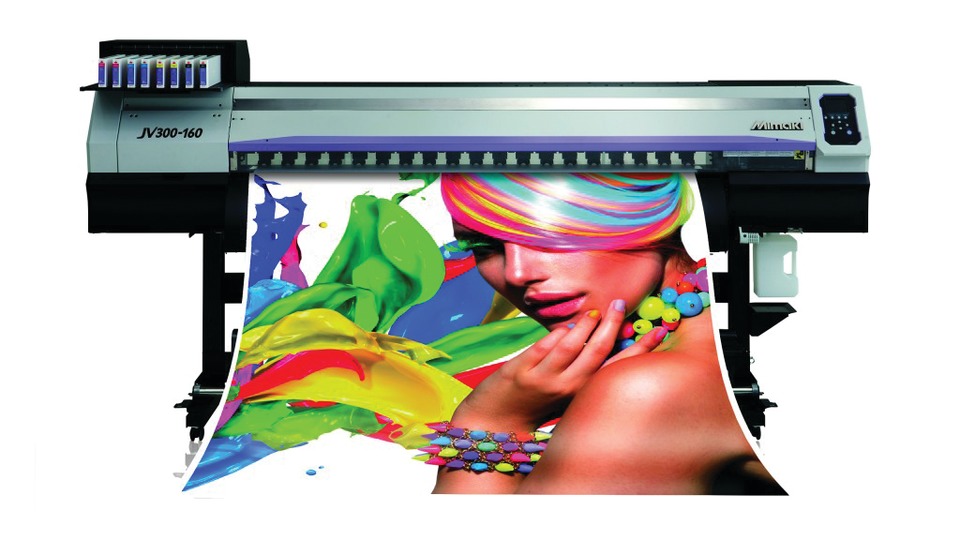

Understanding eco solvent ink media compatibility is essential for anyone involved in wide-format digital printing. The right combination of ink and substrate ensures not only vibrant, long-lasting prints but also efficient production and reduced waste. As eco solvent inks continue to gain popularity for their lower environmental impact and versatility, knowing which media types deliver optimal results can help print shops, designers, and manufacturers make informed choices.
This guide explores the key factors that influence compatibility, highlights popular media options, and offers practical advice for achieving the best print quality with eco solvent technology. For those interested in broader sustainable printing solutions, our guide to solvent-free printing processes provides additional insights into eco-friendly alternatives.
What Are Eco Solvent Inks?
Eco solvent inks are a type of mild solvent-based ink designed to be less harmful to the environment and human health compared to traditional solvent inks. They emit fewer volatile organic compounds (VOCs) and are often used in indoor and outdoor signage, vehicle wraps, banners, and wall graphics. Their formulation allows them to adhere to a wide range of substrates while providing durability, weather resistance, and vibrant color reproduction.
One of the main advantages of eco solvent inks is their ability to print on both coated and uncoated media, making them a flexible choice for many applications. However, not all substrates are created equal, and understanding which materials work best is crucial for maximizing print performance.
Key Factors Influencing Media Compatibility
When considering eco solvent ink media compatibility, several factors come into play. These include the ink’s chemical properties, the surface characteristics of the media, and the intended application of the printed product. Here are the most important aspects to evaluate:
- Surface Energy: The ability of the ink to wet and adhere to the substrate depends on the surface energy of the media. Materials with higher surface energy, such as certain vinyls and coated papers, generally provide better adhesion.
- Absorption and Coating: Some media are specially coated to enhance ink absorption and prevent smudging or bleeding. Uncoated substrates may require pre-treatment or may not yield optimal results.
- Durability Requirements: For outdoor applications, UV resistance and waterfastness are important. The compatibility between ink and media affects how well the print withstands environmental exposure.
- Printer Settings: Temperature, print speed, and ink density settings should be adjusted based on the chosen media to achieve the best output.
Popular Media Types for Eco Solvent Printing
The range of substrates suitable for eco solvent inks is extensive. Below are some of the most commonly used media types, along with their typical applications and compatibility considerations:
| Media Type | Typical Applications | Compatibility Notes |
|---|---|---|
| Self-Adhesive Vinyl (SAV) | Vehicle wraps, window graphics, floor decals | Excellent adhesion and color vibrancy; available in various finishes |
| Banner Material (PVC) | Outdoor banners, event signage | Durable and weather-resistant; choose blockout or mesh as needed |
| Photo Paper | Posters, indoor displays | Requires compatible coating for best results |
| Canvas | Art reproductions, décor | Matte or glossy finishes; check for inkjet compatibility |
| Backlit Film | Lightboxes, illuminated signs | Special coatings enhance ink adhesion and light diffusion |
| Wallcoverings | Murals, custom wallpaper | Choose PVC-free or eco-friendly options for sustainability |

How to Test and Select Compatible Media
Choosing the right substrate for your eco solvent printer involves more than just reading product labels. Here are some practical steps to ensure optimal eco solvent ink media compatibility:
- Request Samples: Most reputable media suppliers offer sample rolls or sheets. Test these samples with your printer and ink to observe adhesion, drying time, and color reproduction.
- Check Manufacturer Guidelines: Printer and ink manufacturers often publish recommended media lists. These resources are a good starting point for identifying compatible options.
- Evaluate Print Quality: Inspect test prints for issues such as banding, smudging, or poor color density. Adjust printer settings as needed and repeat tests if necessary.
- Assess Durability: For outdoor or high-traffic applications, perform scratch, water, and UV resistance tests to ensure the print will last as intended.
For specialty packaging and advanced print applications, you may also want to review our article on what is sublimation printing for specialty packaging to compare different ink technologies.
Common Challenges and Solutions
Even with careful selection, users may encounter challenges when pairing eco solvent inks with certain substrates. Here are some common issues and recommended solutions:
- Poor Adhesion: If ink does not adhere well, try using a media with a higher surface energy or a specially coated substrate.
- Slow Drying: Increase dryer temperature or reduce ink density. Ensure the media is designed for solvent-based inks.
- Color Inconsistency: Calibrate your printer regularly and use ICC profiles matched to your media and ink combination.
- Edge Curling or Warping: Store media in a climate-controlled environment and allow it to acclimate before printing.
Routine maintenance of your eco solvent printer is also crucial for consistent results. For detailed instructions, refer to this comprehensive guide to eco solvent printer maintenance.

Best Practices for Maximizing Print Quality
To get the most out of your eco solvent printing setup, follow these best practices:
- Store Media Properly: Keep substrates in a dry, dust-free environment and avoid extreme temperatures.
- Use the Right Profiles: Download and install ICC profiles tailored to your printer, ink, and media combination for accurate color reproduction.
- Regular Maintenance: Clean printheads and perform routine checks to prevent clogging and ensure consistent output.
- Monitor Environmental Conditions: Humidity and temperature can affect both ink drying and media performance. Maintain stable conditions in your print area.
- Stay Informed: As new media and ink formulations are released, stay updated on compatibility recommendations from manufacturers and industry sources.
For those interested in the latest advancements in sustainable packaging and print technology, our article on innovations in oxygen scavenger labels explores how material science is shaping the future of print.
Frequently Asked Questions
Which substrates are most reliable for eco solvent printing?
Self-adhesive vinyl and PVC banner materials are among the most reliable substrates for eco solvent inks due to their excellent adhesion and durability. Coated photo papers and canvas are also popular for indoor applications, provided they are designed for solvent-based printing.
Can eco solvent inks be used on uncoated media?
While eco solvent inks can print on some uncoated substrates, results may vary. Coated media is generally recommended for optimal color, sharpness, and drying speed. Always test uncoated materials before committing to large production runs.
How do I prevent smudging or poor adhesion?
Ensure you are using media specifically rated for eco solvent inks and that your printer settings match the substrate requirements. Proper drying, correct ink density, and using compatible coatings all help prevent smudging and adhesion issues.
Conclusion
Achieving the best results with eco solvent printing depends on understanding the nuances of eco solvent ink media compatibility. By selecting the right substrates, following manufacturer recommendations, and maintaining your equipment, you can produce vibrant, durable prints for a wide range of applications. Stay informed about new materials and technologies to keep your print business competitive and environmentally responsible.