
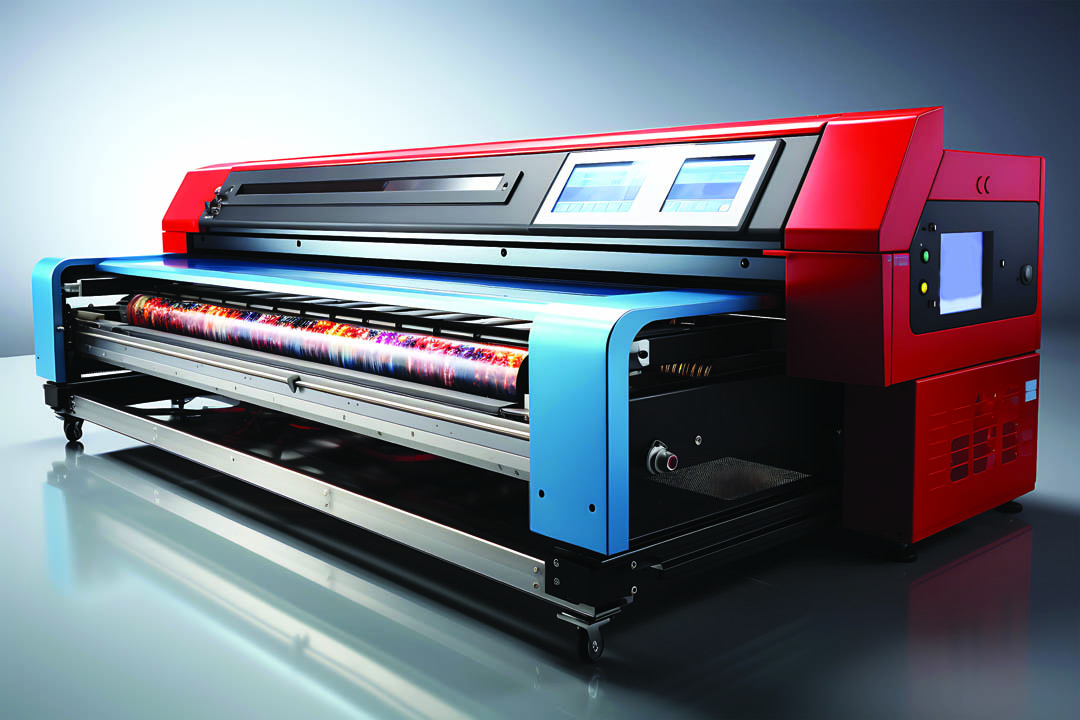

Starting an eco solvent printing business can be a rewarding venture for entrepreneurs interested in sustainable graphics, signage, and packaging solutions. This comprehensive guide covers everything you need to know to launch and grow a successful operation, from understanding the technology and market opportunities to equipment selection, workflow, and best practices for profitability. Whether you’re new to wide-format printing or looking to expand your existing services, this resource will help you navigate the essentials and make informed decisions for your business.
Eco solvent printing is gaining popularity for its ability to deliver vibrant, durable prints while minimizing environmental impact. With growing demand for greener print solutions, businesses that invest in this technology can tap into new markets and stand out from competitors. In this article, we’ll explore the fundamentals of eco solvent printing, key considerations for setup, and strategies for long-term success.
For those interested in sustainable print technologies, you may also want to explore related topics such as guide to solvent-free printing processes, which provides insights into alternative eco-friendly methods.
Understanding Eco Solvent Printing Technology
Eco solvent printing uses inks that are less harmful to the environment compared to traditional solvent inks. These inks are made with mild, biodegradable solvents, resulting in lower emissions of volatile organic compounds (VOCs). The process is ideal for indoor and outdoor applications, including banners, vehicle wraps, wall graphics, and packaging. Compared to water-based or UV-curable inks, eco solvent options offer a balance of durability, color vibrancy, and environmental responsibility.
Key benefits of eco solvent printing include:
- Reduced environmental impact due to lower VOC emissions
- Excellent print quality with vivid colors and sharp details
- Compatibility with a wide range of media, including vinyl, canvas, and specialty films
- Outdoor durability and resistance to fading or scratching
For a deeper look at the advantages and applications of this technology, see this overview of eco solvent printing for backlit banners and advertising.
Market Opportunities for Eco Solvent Print Services
The demand for eco-friendly print solutions is rising across industries such as retail, advertising, events, and packaging. Businesses and consumers are increasingly seeking sustainable alternatives, making eco solvent printing a valuable service to offer. Some of the most common products include:
- Posters and banners for indoor and outdoor use
- Vehicle wraps and fleet graphics
- Custom wall decals and murals
- Window graphics and point-of-sale displays
- Labels and specialty packaging
Understanding your target customers and their needs is crucial. Research local businesses, event organizers, and marketing agencies to identify potential clients. Offering samples and highlighting the environmental benefits of your prints can help you win new contracts and build long-term relationships.
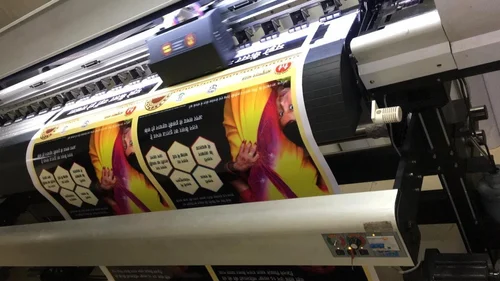
Setting Up Your Eco Solvent Printing Operation
Launching a successful print business requires careful planning and investment in the right equipment. Here are the key steps to get started:
- Business Planning: Define your target market, services, and pricing strategy. Consider your startup costs, including equipment, supplies, workspace, and marketing.
- Choosing Equipment: Invest in a reliable eco solvent printer that matches your volume and media requirements. Look for features such as print width, speed, resolution, and ink compatibility. Leading brands offer models suitable for both entry-level and high-production environments.
- Workspace Setup: Ensure you have adequate space for your printer, finishing equipment (cutters, laminators), and storage. Good ventilation and clean conditions are important for print quality and safety.
- Supplies and Media: Stock up on compatible eco solvent inks, print media (vinyl, banners, canvas), and finishing materials. Establish relationships with trusted suppliers for consistent quality and pricing.
- Workflow and Software: Use professional RIP (Raster Image Processor) software for color management and efficient job processing. Develop a workflow for file preparation, proofing, printing, and finishing to ensure consistent results.
For those interested in specialty packaging or advanced print effects, you may find value in resources like what is sublimation printing for specialty packaging and how to achieve photographic quality on corrugated flutes.
Best Practices for Sustainable and Profitable Operations
To maximize the benefits of your eco solvent printing business, focus on sustainability, efficiency, and customer satisfaction. Here are some practical tips:
- Use certified eco solvent inks and recyclable media whenever possible.
- Implement waste reduction strategies, such as optimizing layouts and reusing offcuts.
- Maintain your equipment regularly to ensure consistent print quality and minimize downtime.
- Educate your customers about the environmental advantages of your services.
- Stay updated on industry trends, such as trends in wood-grain and natural textures on print, to offer innovative products.
Building a reputation for quality and sustainability can help you attract repeat business and referrals. Consider offering design support, fast turnaround, and installation services to add value for your clients.
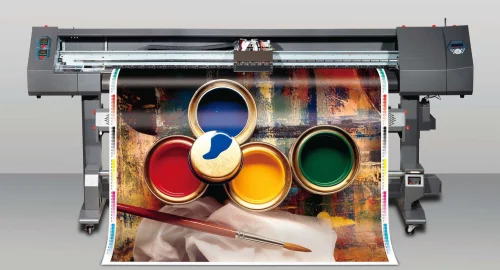
Overcoming Common Challenges in Eco Solvent Printing
Like any business, running an eco solvent print shop comes with its own set of challenges. Being prepared can help you avoid costly mistakes and maintain a smooth operation. Common issues include:
- Color management: Achieving consistent colors across different media requires proper calibration and profiling.
- Media compatibility: Not all substrates work well with eco solvent inks. Test new materials before offering them to clients.
- Equipment maintenance: Regular cleaning and servicing are essential to prevent clogs and ensure printhead longevity.
- Market competition: Differentiate your business through quality, sustainability, and customer service.
Staying informed about new technologies and best practices can help you stay ahead. Explore innovations like the future of cobots in packaging decoration to see how automation and robotics may impact your workflow in the future.
Frequently Asked Questions
What is eco solvent printing and how is it different from traditional solvent printing?
Eco solvent printing uses inks made with milder, biodegradable solvents that emit fewer VOCs compared to traditional solvent inks. This makes the process safer for operators and the environment, while still delivering durable, high-quality prints suitable for both indoor and outdoor applications.
What types of products can I create with an eco solvent printer?
You can produce a wide range of items, including banners, vehicle wraps, wall graphics, window decals, posters, and custom packaging. The technology is versatile and compatible with many types of media, making it suitable for various commercial and creative projects.
How can I make my eco solvent printing business more sustainable?
Use certified eco solvent inks, choose recyclable or biodegradable media, optimize your print layouts to reduce waste, and maintain your equipment for efficient operation. Educating your customers about the benefits of eco-friendly printing can also help promote sustainability in your market.
Conclusion
Launching an eco solvent print shop offers a unique opportunity to serve the growing demand for sustainable graphics and packaging. By understanding the technology, identifying your market, investing in quality equipment, and following best practices, you can build a profitable and environmentally responsible business. Stay informed about industry trends and continually seek ways to improve your services for long-term success.




