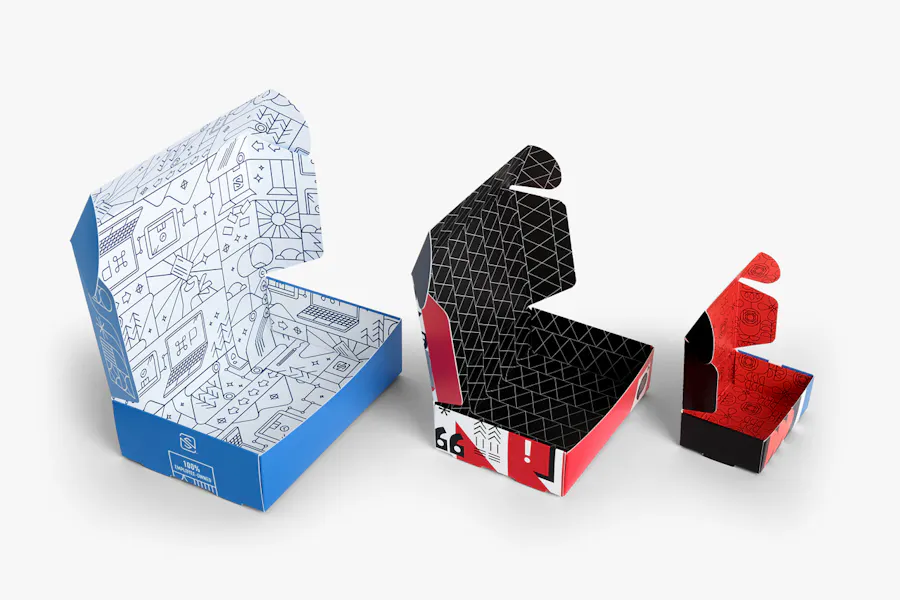

The packaging sector is evolving rapidly, and thermal inkjet technology is at the forefront of this transformation. As companies seek more efficient, sustainable, and flexible printing solutions, the role of thermal inkjet in industrial packaging is expanding. This guide explores how these printers are shaping the next era of packaging, what trends are driving adoption, and what manufacturers and brands can expect as the technology matures.
From coding and marking to full-color graphics, thermal inkjet is no longer limited to small-scale or office applications. Instead, it is being integrated into high-speed production lines, offering precise, reliable, and cost-effective solutions for a wide range of materials. As we look ahead, understanding the advantages and challenges of this technology is crucial for anyone involved in packaging design, production, or supply chain management.
For those interested in related innovations, learning about what is digital prototyping for packaging can provide additional context on how digital tools are accelerating packaging development and production cycles.
Key Drivers Behind the Rise of Thermal Inkjet in Packaging
Several factors are fueling the adoption of thermal inkjet printing in industrial packaging environments:
- Flexibility: Thermal inkjet systems can print on a variety of substrates, including paper, cardboard, flexible films, and even coated materials.
- High Resolution: The technology delivers crisp, high-quality text, barcodes, and graphics, meeting the demands for traceability and branding.
- Minimal Maintenance: With fewer moving parts and disposable cartridges, thermal inkjet printers require less upkeep compared to traditional contact-based systems.
- Speed: Modern machines can keep pace with fast-moving production lines, ensuring that printing does not become a bottleneck.
- Environmentally Friendly: Water-based and solvent-free inks are increasingly available, supporting sustainability goals.
These advantages make thermal inkjet a compelling choice for manufacturers looking to upgrade or replace legacy printing systems.
Emerging Trends Shaping the Future of Industrial Inkjet Printing
The future of thermal inkjet in industrial packaging is being shaped by several important trends:
- Personalization and Short Runs: As brands seek to connect with consumers through personalized packaging, the ability to economically produce short runs is essential. Thermal inkjet excels in this area, enabling quick changeovers and variable data printing.
- Integration with Smart Manufacturing: Industry 4.0 is driving the integration of printing systems with digital workflows, sensors, and cloud-based platforms. This allows for real-time monitoring, predictive maintenance, and seamless data exchange across the production floor.
- Advanced Inks and Substrates: Ongoing research is expanding the range of compatible inks and materials, allowing for more vibrant colors, improved adhesion, and greater durability.
- Regulatory Compliance: Increasing regulations around food safety, pharmaceuticals, and traceability are making high-resolution, permanent coding more important than ever. Thermal inkjet is well-suited to meet these requirements.
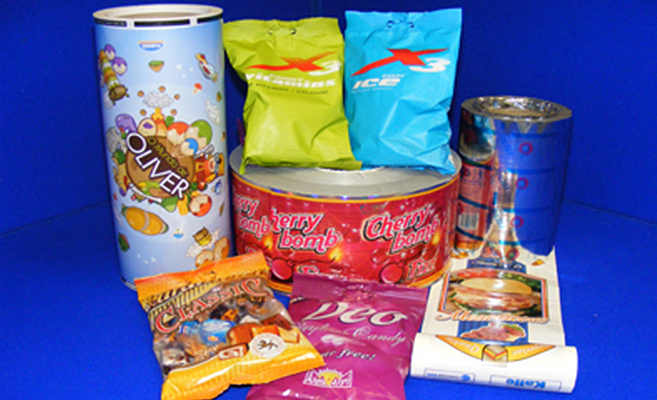
How Thermal Inkjet Technology Is Transforming Production Lines
Thermal inkjet systems are increasingly being integrated into automated packaging lines, where they provide several operational benefits:
- On-Demand Printing: Manufacturers can print variable data such as batch numbers, expiry dates, and QR codes directly onto products or packaging, reducing the need for pre-printed stock and minimizing waste.
- Reduced Downtime: Cartridge-based systems allow for quick changes and minimal interruptions, keeping production lines running smoothly.
- Consistent Quality: Automated calibration and self-cleaning features ensure that print quality remains high, even during long production runs.
These improvements not only boost efficiency but also support greater agility in responding to market changes and customer demands.
Challenges and Considerations for Industrial Adoption
While the benefits are significant, there are also challenges to consider when implementing thermal inkjet in industrial packaging settings:
- Ink Cost: Although cartridge systems are convenient, ink can be more expensive compared to bulk supply systems used in some other technologies.
- Material Compatibility: Not all substrates are equally suited for thermal inkjet, especially those with high surface energy or certain coatings. Ongoing innovation is addressing these limitations, but testing is essential.
- Print Durability: For applications requiring resistance to abrasion, moisture, or chemicals, selecting the right ink and substrate combination is critical.
Manufacturers should work closely with suppliers to ensure that their chosen system meets the specific needs of their products and regulatory environment.
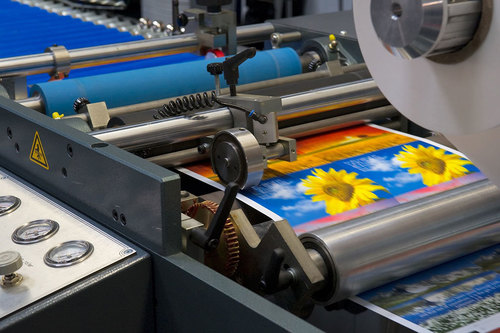
Comparing Thermal Inkjet to Other Industrial Printing Technologies
When evaluating printing solutions for packaging, it’s important to consider how thermal inkjet stacks up against alternatives like continuous inkjet (CIJ), laser marking, and thermal transfer:
| Technology | Strengths | Limitations |
|---|---|---|
| Thermal Inkjet | High resolution, low maintenance, flexible substrates | Higher ink cost, limited to certain materials |
| Continuous Inkjet | High speed, works on diverse surfaces | More maintenance, lower print quality |
| Laser Marking | Permanence, no consumables | High upfront cost, limited to certain materials |
| Thermal Transfer | Durable prints, good for labels | Slower, requires ribbons |
Each technology has its place, but the ongoing improvements in thermal inkjet are making it a more attractive option for a growing range of packaging applications.
Looking Ahead: What’s Next for Thermal Inkjet in Packaging?
Industry experts predict that the role of thermal inkjet will continue to expand as new inks, printheads, and integration options become available. Some anticipated developments include:
- Expanded Material Compatibility: Advances in ink chemistry will allow printing on even more challenging substrates, including plastics and metals.
- Higher Speeds and Wider Formats: Next-generation printheads will support faster line speeds and broader print widths, making the technology suitable for larger packaging formats.
- Deeper Integration with Digital Workflows: Seamless connectivity with ERP and MES systems will enable smarter, more responsive production environments.
- Greater Sustainability: Continued focus on eco-friendly inks and reduced waste will help brands meet their environmental commitments.
For a broader perspective on where packaging and printing are headed, explore this analysis of future print and packaging trends from industry leaders.
Related Innovations in Packaging Technology
Thermal inkjet is just one of many technologies reshaping the packaging landscape. For example, benefits of cloud-based color management are helping global brands maintain color consistency across multiple locations, while what is holographic lamination explores eye-catching finishes that enhance shelf appeal. Staying informed about these and other innovations will help packaging professionals remain competitive as the market evolves.
Frequently Asked Questions
What are the main advantages of using thermal inkjet in industrial packaging?
Thermal inkjet offers high-resolution printing, flexibility across substrates, minimal maintenance, and easy integration with automated lines. It is ideal for variable data, short runs, and applications requiring crisp codes and graphics.
Can thermal inkjet printers handle high-speed production environments?
Yes, modern thermal inkjet systems are designed for high-speed, continuous operation. They can match the pace of most industrial packaging lines, especially when equipped with advanced printheads and automated maintenance features.
How does thermal inkjet support sustainability in packaging?
Many thermal inkjet inks are water-based and free from harmful solvents. The technology also reduces waste by enabling on-demand printing, eliminating the need for large inventories of pre-printed materials.