
Understanding the glass printing cost factors is essential for anyone planning to customize glass items, whether for business, events, or personal use. The price of printing on glass can vary widely depending on the type of glass, the chosen printing technique, order size, and additional finishing options. This guide breaks down the main elements that influence pricing, helping you make informed decisions and set realistic budgets for your next project.
Before diving into the details, it’s helpful to know that the glass printing industry offers a range of methods and finishes. Each approach has its own pricing structure, and being aware of these differences can help you avoid common mistakes in glass printing that may lead to unexpected expenses or unsatisfactory results.
Key Elements That Influence Glass Printing Prices
Several variables impact the final quote you receive for glass printing. Understanding these can help you compare suppliers and choose the best method for your needs.
- Type of Glass Substrate: The base material—whether bottles, jars, panels, or specialty glass—affects both the printing process and the cost. Thicker or uniquely shaped glass often requires specialized handling, increasing labor and setup expenses.
- Printing Technique: Common methods include screen printing, digital UV printing, and etching. Each has different setup costs, ink requirements, and production speeds, all of which influence pricing.
- Order Volume: Larger orders typically benefit from economies of scale. Small runs may incur higher per-unit costs due to setup and minimum order requirements.
- Design Complexity: Multi-color designs, gradients, or intricate artwork require more time and materials, raising the overall price.
- Finishing Options: Additional treatments such as frosting, metallic inks, or protective coatings add to the base cost.
Comparing Printing Methods and Their Impact on Cost
The choice of printing technology is one of the most significant glass printing cost factors. Here’s an overview of the most common techniques and how they affect your budget:
| Method | Setup Cost | Best For | Cost Impact |
|---|---|---|---|
| Screen Printing | High (screens required) | Large runs, simple designs | Lower per-unit for bulk, higher for small orders |
| Digital UV Printing | Low | Short runs, full-color images | Higher per-unit, but no screens needed |
| Etching (Chemical/Acid) | Medium | Premium, frosted effects | Higher due to labor and materials |
| Pad Printing | Medium | Curved surfaces, small items | Moderate, depends on design |
For a deeper look at how these processes work, see this comprehensive explanation of glass printing methods.
Design Choices and Their Effect on Your Budget
Design is a major driver of cost in glass printing. Here’s how your creative decisions can affect pricing:
- Number of Colors: Each additional color in screen printing requires a separate screen and pass, increasing setup and production time.
- Coverage Area: Large, full-wrap designs use more ink and may require more complex setup, especially on curved glass.
- Artwork Preparation: If your design needs significant pre-press work or vectorization, expect extra charges.
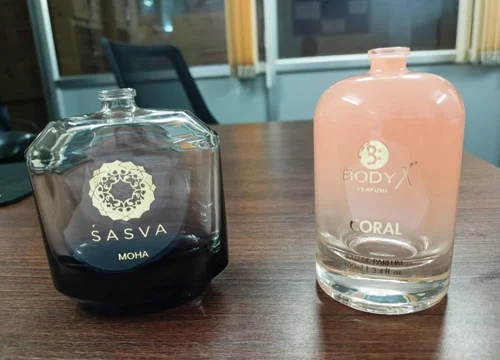
Simple, single-color logos are the most cost-effective, while multi-color, detailed graphics will push costs higher.
Order Size and Production Volume
One of the most influential glass printing cost factors is the size of your order. Here’s how quantity impacts pricing:
- Bulk Discounts: Most suppliers offer tiered pricing, so the more units you order, the lower the cost per piece.
- Minimum Order Quantities: Some printing methods, especially screen printing, have minimums due to setup costs.
- Short Runs: Digital printing is ideal for small batches but comes with a higher per-unit price.
For businesses or events needing hundreds or thousands of pieces, investing in a larger run can yield significant savings over time.
Additional Services and Special Finishes
Beyond the basic print, many projects require extra touches that can influence the final price:
- Frosted or Etched Effects: These add a premium look but require extra processing and materials.
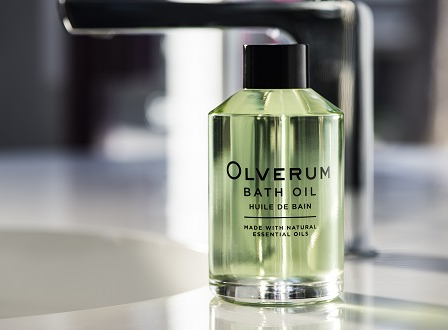
- Metallic or Specialty Inks: Gold, silver, and other specialty inks are more expensive than standard colors.
- Protective Coatings: Clear coats or UV protection can extend the life of the print, adding to the total cost.
Discuss your needs with your supplier to get a clear breakdown of what’s included in your quote and what counts as an add-on.
How to Get Accurate Quotes and Manage Your Budget
To avoid surprises and stay within budget, follow these steps:
- Clearly define your project: specify glass type, dimensions, quantity, and design requirements.
- Request itemized quotes from multiple suppliers, including details on setup, printing, and finishing costs.
- Ask about lead times, shipping, and any additional fees.
- Consider flexibility in design or order size to optimize your spend.
For more on the types of glass printing available for different industries, you may want to explore industrial glass printing uses and how they affect pricing and technology choices.
Tips for Saving Money on Glass Printing Projects
While quality should never be sacrificed, there are practical ways to reduce costs:
- Opt for fewer colors or simpler designs where possible.
- Combine orders with others or plan for larger runs to benefit from bulk pricing.
- Choose standard glass shapes and sizes to avoid custom handling fees.
- Work with experienced providers who can guide you on cost-effective solutions.
Learning about colored glass decoration methods can also help you select finishes that fit your vision and budget.
Frequently Asked Questions
What is the most affordable glass printing method for small orders?
Digital UV printing is generally the most cost-effective for short runs or prototypes. It has minimal setup costs and can handle full-color designs, making it ideal for small batches or one-off pieces.
How do design changes affect the final price?
Design complexity, such as the number of colors, coverage area, and detail, directly impacts setup time and material usage. Simple, single-color logos are less expensive, while intricate, multi-color graphics will increase the total cost.
Are there hidden fees in glass printing quotes?
Some suppliers may charge extra for artwork preparation, rush orders, or special finishes. Always request an itemized quote and clarify what’s included to avoid unexpected charges.
Conclusion
Understanding the main glass printing cost factors—from materials and methods to design and quantity—empowers you to plan projects efficiently and avoid unnecessary expenses. By comparing techniques, clarifying your requirements, and working with reputable providers, you can achieve high-quality results that fit your budget. For those interested in advanced applications, such as smart device glass printing or automotive uses, exploring specialized technologies and their pricing structures can further refine your decision-making process.