
Modern kitchen design is constantly evolving, with homeowners and designers seeking ways to blend style, durability, and easy maintenance. Printed glass backsplashes have emerged as a standout solution, offering a sleek, customizable surface that enhances both the look and functionality of contemporary cooking spaces. These innovative panels allow for endless design possibilities, from subtle patterns to bold, artistic statements, making them a popular choice for those looking to personalize their kitchens.
Beyond aesthetics, these glass panels are valued for their hygienic, non-porous surfaces and resistance to stains and heat. Whether you’re renovating an existing kitchen or planning a new build, understanding the benefits, design options, and installation considerations for this type of backsplash can help you make an informed decision. For those interested in technical details or troubleshooting, exploring resources like common mistakes in glass printing can provide valuable insights early in your project.
Why Choose Custom Glass Panels for Your Kitchen
Opting for printed glass backsplashes brings a range of advantages that go beyond simple decoration. Here are some of the main reasons homeowners and designers are turning to this solution:
- Personalization: Glass panels can be printed with virtually any image, color, or pattern, allowing you to match your kitchen’s theme or create a unique focal point.
- Durability: Tempered glass is highly resistant to heat, scratches, and impact, making it suitable for busy kitchen environments.
- Easy Maintenance: The smooth, non-porous surface resists stains and is simple to clean—just a quick wipe with a damp cloth removes most splatters.
- Hygienic: Unlike tile grout, glass does not harbor mold or bacteria, contributing to a cleaner kitchen.
- Light Reflection: Glass naturally reflects light, helping to brighten up the space and create a sense of openness.
For those interested in the broader role of glass in interior design, this overview of glass in luxury interiors offers inspiration and practical ideas.
Design Options for Printed Glass Backsplashes
One of the standout features of these backsplashes is the sheer variety of design possibilities. Whether you want a subtle, monochromatic look or a vibrant, photo-realistic mural, the technology behind glass printing can deliver stunning results. Here are some popular design directions:
- Abstract Patterns: Geometric shapes, waves, or organic motifs add a modern touch without overwhelming the space.
- Nature-Inspired Prints: Images of landscapes, botanicals, or water scenes can bring a calming, natural element into the kitchen.
- Textured Effects: Printing techniques can mimic the look of stone, wood, or fabric, providing visual interest with the easy care of glass.
- Custom Artwork: For a truly unique kitchen, commission an artist or use your own photography to create a one-of-a-kind backsplash.
When planning your design, consider how the colors and patterns will coordinate with your cabinetry, countertops, and appliances. The reflective nature of glass can amplify both light and color, so even subtle designs can have a significant impact.
How Printed Glass Backsplashes Are Made
The process of creating these decorative panels involves advanced printing technology and careful craftsmanship. Here’s a simplified overview:
- Design Selection: The chosen image or pattern is prepared digitally, ensuring high resolution and accurate color reproduction.
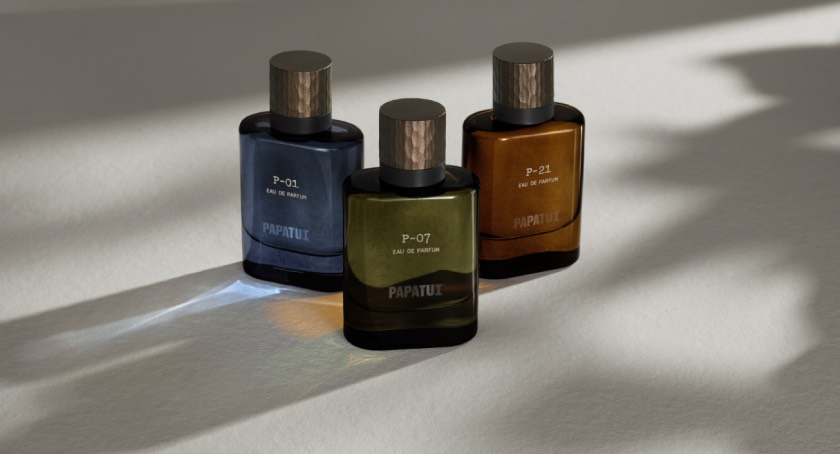
- Printing: Specialized printers apply ceramic inks directly onto the back of the glass. This can be done using screen printing for bold, solid colors or digital printing for detailed, multi-color images.
- Tempering: After printing, the glass is heat-treated to increase its strength and durability. This also fuses the ink to the glass, making the design permanent and resistant to fading.
- Finishing: Edges are polished, and mounting hardware may be attached, depending on the installation method.
For a deeper dive into the technology and methods behind glass decoration, you might find colored glass decoration methods informative, especially if you’re considering custom or DIY options.
Installation and Maintenance Tips
Proper installation is key to ensuring your backsplash looks great and performs well for years. Here are some practical tips:
- Professional Installation: While some experienced DIYers may tackle this project, most homeowners benefit from hiring a professional to measure, cut, and mount the glass accurately.
- Surface Preparation: The wall behind the glass should be smooth, clean, and dry. Any irregularities can affect adhesion and appearance.
- Adhesives: High-quality, neutral-cure silicone is commonly used to attach the glass to the wall. Avoid acidic adhesives, which can damage the backing.
- Sealing Edges: Apply a thin bead of clear silicone around the edges to prevent moisture from seeping behind the panel.
Maintenance is straightforward: simply wipe the surface with a soft cloth and mild detergent. Avoid abrasive cleaners or pads, which can scratch the glass or dull the printed design.
Comparing Glass Backsplashes to Other Materials
When selecting a backsplash, it’s helpful to weigh the pros and cons of glass against other common materials:
| Material | Pros | Cons |
|---|---|---|
| Printed Glass | Customizable, hygienic, easy to clean, heat resistant | Higher upfront cost, requires professional installation |
| Tile | Wide variety, affordable, DIY-friendly | Grout can stain, harder to clean |
| Stainless Steel | Modern look, durable, heat resistant | Shows fingerprints, can scratch |
| Stone | Natural beauty, durable | Porous, may require sealing, limited color options |
For those interested in the technical side of glass printing for other industries, industrial glass printing uses explores manufacturing and technology trends that also influence residential applications.
Frequently Asked Questions
Are printed glass backsplashes safe to use behind cooktops?
Yes, these panels are made from tempered glass, which is heat resistant and safe for use behind most cooktops. Always confirm with your supplier that the product meets safety standards for your specific appliance setup.
How long do the printed designs last?
With proper care, the designs are permanent and will not fade or peel. The ceramic inks used in the printing process are fused into the glass during tempering, ensuring long-lasting color and clarity.
Can I install a glass backsplash over existing tile?
In many cases, yes. As long as the existing surface is flat, clean, and stable, glass panels can be mounted over tile using suitable adhesives. Consult with your installer to ensure compatibility and a smooth finish.
Conclusion: Elevate Your Kitchen with Printed Glass
Incorporating printed glass backsplashes into your kitchen is a smart way to combine style, practicality, and easy maintenance. With endless design options and a surface that stands up to daily use, these panels are an investment in both beauty and function. Whether you’re drawn to bold graphics or subtle patterns, glass offers a modern solution that can be tailored to your taste and lifestyle. For more inspiration on integrating glass into your home, consider exploring topics like colored glass decoration methods or the latest in smart device glass printing for a glimpse into the future of decorative surfaces.