
Glass mural printing has become a transformative solution for architects, interior designers, and businesses seeking to make a bold visual statement. This technique allows for the creation of expansive, vibrant artworks directly on glass surfaces, seamlessly blending art with architecture. The result is a unique fusion of function and aesthetics—ideal for commercial spaces, hospitality environments, and even residential projects that demand a modern, eye-catching feature.
Advancements in digital printing and specialized inks have made it possible to reproduce intricate designs, photographs, and patterns on glass at impressive scales. Whether used for lobby walls, conference rooms, or public installations, these murals offer durability, easy maintenance, and the ability to customize any space with creative flair.
For those interested in the technical side or looking to avoid pitfalls, it’s helpful to review common mistakes in glass printing and learn how to achieve the best results. Understanding the process and materials involved is key to ensuring your mural stands the test of time and delivers the desired impact.
Understanding the Process of Glass Mural Printing
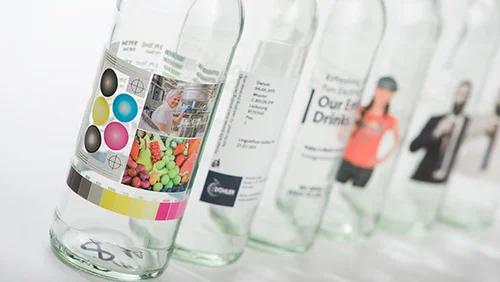
Creating large-scale decorative art on glass involves several sophisticated steps. The process typically starts with the selection or creation of a high-resolution design. This could be anything from abstract patterns to detailed photographic images. The chosen artwork is then prepared for printing, ensuring color accuracy and scale are optimized for the intended glass surface.
There are several methods used in this field, including digital UV printing, ceramic frit printing, and screen printing. Each technique offers unique benefits:
- Digital UV Printing: Uses ultraviolet light to cure inks directly onto the glass, allowing for full-color, high-definition images. This method is ideal for complex or photographic designs.
- Ceramic Frit Printing: Involves applying ceramic-based inks which are then fused to the glass during tempering. This results in a highly durable and scratch-resistant finish, suitable for exterior applications.
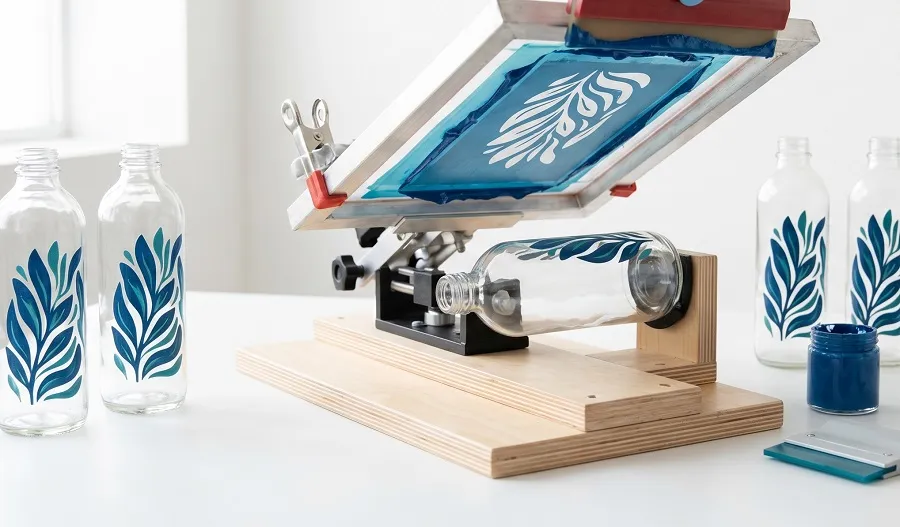
- Screen Printing: Best for bold, graphic patterns and solid colors. This traditional method can be combined with modern techniques for layered effects.
For a deeper dive into the various printing techniques for glass surfaces, industry resources provide detailed comparisons and technical insights.
Applications and Benefits of Large-Scale Glass Art
Decorative glass murals are used in a wide range of settings. Their versatility and visual appeal make them a popular choice for:
- Corporate Offices: Feature walls in lobbies, boardrooms, and collaborative spaces.
- Hotels and Restaurants: Statement pieces in reception areas, dining rooms, and bars.
- Healthcare Facilities: Calming, nature-inspired murals in waiting rooms and corridors.
- Retail Environments: Brand storytelling and immersive displays.
- Public Art Installations: Murals in transit stations, museums, and civic buildings.
Beyond aesthetics, glass murals offer practical advantages. They are easy to clean, resistant to fading, and can be customized for privacy or light diffusion. Some techniques even allow for the integration of safety features, such as laminated or tempered glass, making them suitable for high-traffic areas.
To explore how these methods compare to other decorative approaches, see colored glass decoration methods for vibrant spaces.
Key Considerations for Successful Glass Mural Projects
When planning a decorative glass installation, several factors should be taken into account to ensure the finished piece meets expectations:
- Design Resolution: Large murals require high-resolution artwork to avoid pixelation. Work with designers who understand the technical requirements of glass printing.
- Glass Type: The choice between tempered, laminated, or annealed glass affects both safety and appearance. Discuss options with your fabricator based on the installation environment.
- Color Management: Glass and inks interact with light differently than paper or canvas. Color proofs and samples are essential to achieve accurate hues.
- Installation Logistics: Large panels require careful handling and precise mounting. Coordinate with experienced installers to address site-specific challenges.
For those working in specialized sectors, such as electronics or automotive, innovations in smart device glass printing and automotive glass printing technology are pushing the boundaries of what’s possible with this medium.
Trends and Innovations in Decorative Glass Printing
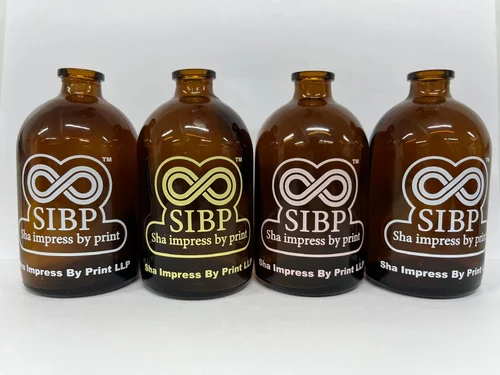
The world of large-scale glass art is constantly evolving. Recent trends include the use of metallic and iridescent inks, integration with LED lighting for dynamic effects, and eco-friendly printing processes. Digital advancements have also made it easier to produce one-off custom pieces or short runs without the high setup costs of traditional methods.
Another significant development is the use of glass mural printing in sustainable building design. Printed glass can contribute to energy efficiency by controlling light transmission, reducing glare, and even incorporating photovoltaic elements. As demand for green architecture grows, expect to see even more creative applications of this technology.
Manufacturers are also experimenting with layered printing, where multiple designs are printed on different panes and then laminated together. This technique creates a sense of depth and dimensionality, making murals even more visually engaging.
Choosing the Right Partner for Your Project
Successful glass mural projects depend on collaboration between designers, fabricators, and installers. When selecting a provider, consider their experience with large-scale work, portfolio of completed projects, and ability to handle custom requirements. Ask for references and review samples to assess print quality and durability.
It’s also beneficial to discuss maintenance and cleaning protocols, especially for installations in public or high-traffic areas. Proper care ensures that your mural remains vibrant and intact for years to come.
For industrial applications and manufacturing insights, see this resource on industrial glass printing uses.
Frequently Asked Questions
What types of designs work best for glass murals?
High-resolution images, vector graphics, and bold patterns are ideal for glass murals. Designs should be optimized for scale and color accuracy, taking into account how light interacts with the glass and inks.
Is glass mural printing suitable for outdoor use?
Yes, certain techniques like ceramic frit printing produce highly durable, weather-resistant murals. Always confirm with your provider that the selected method and inks are rated for exterior environments.
How do I maintain and clean a printed glass mural?
Printed glass murals are easy to maintain. Use a soft cloth and mild, non-abrasive cleaners. Avoid harsh chemicals or abrasive tools that could damage the print or glass surface.