Public spaces demand materials that are not only visually striking but also built to withstand heavy use and changing environmental conditions. Glass printing for public buildings offers a solution that merges aesthetics with resilience, allowing architects and designers to create impactful, long-lasting installations. From wayfinding signage to decorative facades and safety glass, printed glass is transforming the look and function of civic environments.
In this guide, we’ll explore how modern printing techniques are applied to glass in public settings, the advantages of these methods, and what to consider when specifying printed glass for high-traffic areas. For those interested in process pitfalls, our resource on common mistakes in glass printing offers practical tips to ensure quality outcomes.

Why Printed Glass Is Ideal for Civic Spaces
Modern public buildings require materials that balance durability, safety, and visual appeal. Printed glass meets these needs by offering:
- Exceptional durability: Specialized inks and firing processes create designs that are resistant to scratching, fading, and weathering.
- Design flexibility: Digital and screen printing enable intricate patterns, branding, and even photographic imagery to be applied directly to glass panels.
- Easy maintenance: Smooth, non-porous surfaces make cleaning and graffiti removal straightforward, which is crucial in high-traffic environments.
- Safety and compliance: Laminated or toughened printed glass can meet safety codes for impact resistance and fire performance.
These benefits make printed glass a popular choice for transit stations, libraries, museums, government buildings, and educational campuses.
Key Techniques Used in Glass Printing for Public Buildings
Several advanced methods are used to apply durable graphics and patterns to glass. The most common include:
Screen Printing for Large-Scale Installations
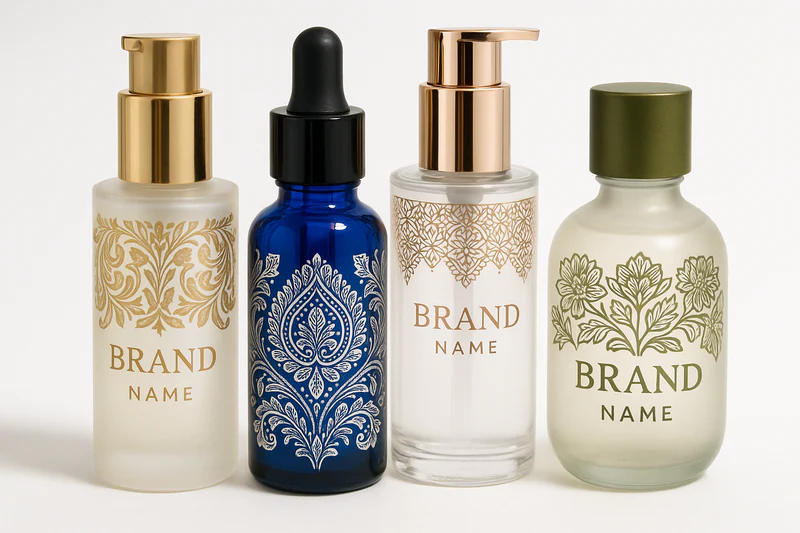
Screen printing remains a preferred technique for architectural glass due to its ability to deposit thick, opaque, and UV-resistant inks. This method is ideal for repeating patterns, solid colors, and functional markings such as privacy bands or wayfinding symbols.
For a deeper dive into the process, you can review detailed explanations of glass printing techniques from industry experts.
Digital Ceramic Printing for Customization
Digital ceramic printing uses advanced printers to apply ceramic-based inks directly onto glass. After printing, the glass is tempered or heat-treated, fusing the design into the surface. This technique allows for full-color images, gradients, and precise branding, making it suitable for public art, donor walls, and custom signage.
Etching and Sandblasting for Subtle Effects
While not technically printing, etching and sandblasting are often combined with printed glass to add texture, privacy, or frosted effects. These methods are valued for their tactile quality and ability to diffuse light, which can enhance comfort and ambiance in lobbies and corridors.
Applications of Printed Glass in Public Architecture
The versatility of glass printing for public buildings enables a wide range of applications, including:
- Entrance canopies and facades: Large glass panels with printed graphics can create bold first impressions and reinforce branding.
- Interior partitions: Printed designs offer privacy while maintaining an open, airy feel in offices, libraries, and conference centers.
- Wayfinding and signage: Durable, high-contrast prints improve accessibility and navigation for all visitors.
- Public art installations: Artists and designers use printed glass to deliver vibrant, weatherproof artworks in plazas and atriums.
- Safety glass: Patterns and colors can be integrated into safety glazing for stairwells, elevators, and balustrades.
For those interested in how glass printing is used in other industries, our article on industrial glass printing uses provides additional insights.
Ensuring Durability and Longevity
Public buildings require materials that can withstand years of exposure to sunlight, temperature changes, and frequent cleaning. To ensure printed glass remains vibrant and intact:
- Choose inks and processes specifically rated for exterior or high-traffic use.
- Specify tempered or laminated glass for safety and impact resistance.
- Request samples and test panels to verify colorfastness and abrasion resistance.
- Work with experienced fabricators who understand the unique demands of civic projects.
Proper installation and maintenance are also key. Most printed glass panels can be cleaned with standard, non-abrasive solutions, but it’s important to follow manufacturer recommendations to avoid damaging the artwork.

Design Considerations for Lasting Impact
When planning printed glass for public environments, consider the following:
- Visibility and contrast: Designs should be legible from a distance and under varying lighting conditions.
- Integration with architecture: Printed glass should complement the building’s style and materials for a cohesive look.
- Accessibility: Use high-contrast colors and clear symbols to support users with visual impairments.
- Maintenance needs: Select finishes and patterns that conceal fingerprints and minor surface marks.
- Vandalism resistance: Some coatings can make it easier to remove graffiti or stickers without damaging the print.
For those seeking inspiration for colorful and vibrant glass applications, our overview of colored glass decoration methods highlights creative approaches suitable for public and commercial spaces.
Emerging Trends in Public Glass Printing
As technology advances, new possibilities are emerging in the field of architectural glass decoration. Some notable trends include:
- Interactive and smart glass: Integration of printed electronics and switchable films for dynamic displays and privacy control. For more on this, see our article on smart device glass printing.
- Eco-friendly inks and processes: Growing demand for sustainable materials and low-VOC printing solutions.
- Photovoltaic integration: Combining printed designs with solar panels for energy-generating facades.
- Customization at scale: Digital workflows allow for unique, site-specific graphics without significant cost increases.
Frequently Asked Questions
How long does printed glass last in public buildings?
With proper materials and installation, printed glass can maintain its appearance for decades. Ceramic inks fused during tempering are especially resistant to UV light, abrasion, and cleaning chemicals, making them ideal for both interior and exterior use.
Is printed glass safe for use in high-traffic areas?
Yes, when specified as tempered or laminated, printed glass meets safety standards for impact resistance. Designs can also include safety markings or anti-slip textures for added protection in public spaces.
Can printed glass be repaired if damaged?
Minor scratches or surface marks can often be polished out, but deep damage may require panel replacement. Working with experienced suppliers ensures access to replacement panels and consistent color matching if repairs are needed.
What maintenance does printed glass require?
Printed glass is easy to maintain with regular cleaning using non-abrasive products. It is important to avoid harsh chemicals or abrasive pads that could dull the surface or affect the print over time.
Conclusion
Glass printing for public buildings is a proven way to combine durability, safety, and visual impact in civic architecture. By understanding the available techniques and design considerations, architects and facility managers can specify solutions that enhance both the function and beauty of public spaces for years to come.