

The evolution of glass printing technology has transformed the way architects and designers approach building exteriors. Today, architectural trends in printed glass are shaping modern facades, offering a blend of functionality, aesthetics, and sustainability. From intricate patterns to bold branding, printed glass is now a key material in contemporary architecture, allowing for creative expression while meeting stringent performance requirements.
As the demand for unique and energy-efficient buildings grows, the use of digitally and screen-printed glass has become increasingly popular. These advances enable architects to customize facades with vibrant colors, textures, and even functional coatings. For those interested in the technical side of glass decoration, understanding common mistakes in glass printing can help ensure high-quality results and long-lasting installations.
Why Printed Glass Is Transforming Modern Building Exteriors
The adoption of printed glass in architecture is driven by several factors. First, it offers unparalleled design freedom. Architects can specify custom graphics, gradients, and textures that would be impossible or cost-prohibitive with traditional materials. This flexibility allows for the creation of signature facades that reflect a building’s purpose or brand identity.
Second, printed glass contributes to energy efficiency. By integrating ceramic inks or functional coatings, glass panels can reduce solar gain, improve insulation, and even provide privacy without sacrificing natural light. These features are particularly valuable in urban environments where sustainability and comfort are top priorities.
Finally, the durability of modern glass printing methods ensures that designs remain vibrant for decades. Ceramic frit printing, for example, fuses pigments into the glass surface during tempering, making the artwork resistant to weather, UV exposure, and abrasion.
Key Techniques in Modern Glass Printing
Several printing techniques are used to achieve the diverse effects seen in today’s architectural glass:
- Digital Printing: This method uses high-resolution inkjet printers to apply ceramic inks directly onto glass. It enables photorealistic images, gradients, and complex patterns with precise color control.
- Screen Printing: A traditional process where ink is pushed through a mesh stencil onto the glass. It’s ideal for bold, repetitive patterns and is often used for safety markings, branding, or privacy bands.
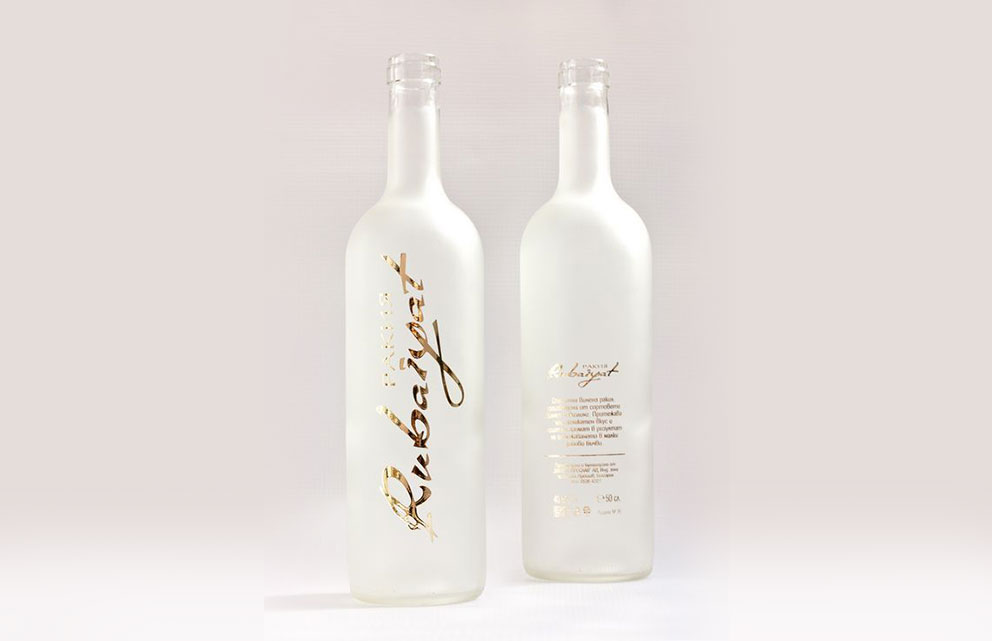
- Etching and Sandblasting: These techniques create frosted or textured effects by removing the glass surface. They are often combined with printing for layered visual interest.
For those interested in hands-on glass decoration, tools like the Buy Caydo Screen Printing Kit and Buy Armour Etch Cream can help hobbyists and professionals experiment with small-scale projects.
Design Trends Shaping Contemporary Glass Facades
Current architectural trends in printed glass reflect a desire for both visual impact and environmental responsibility. Here are some of the most notable directions:
- Nature-Inspired Motifs: Patterns that mimic leaves, water, or stone help buildings blend with their surroundings while providing shade and privacy.
- Geometric and Abstract Art: Bold lines, grids, and abstract forms add a modern edge to commercial and residential structures.
- Branding and Wayfinding: Custom graphics and logos are increasingly integrated into glass panels for corporate headquarters, hotels, and retail spaces.
- Functional Gradients: Gradual transitions in opacity or color can manage daylight, reduce glare, and enhance occupant comfort.
Performance and Sustainability Benefits
Printed glass is not just about aesthetics. The technology offers significant performance advantages for modern buildings:
- Solar Control: Special inks and coatings can reflect or absorb solar radiation, reducing cooling loads and enhancing energy efficiency.
- Safety and Security: Patterns can indicate glass boundaries, improving safety for pedestrians and birds. Laminated and tempered printed glass also meets rigorous safety standards.
- Durability: Fritted and ceramic-printed glass resists fading, scratching, and chemical exposure, ensuring long-term performance even in harsh environments.
- Environmental Impact: Many manufacturers now use low-VOC inks and recyclable glass, supporting green building certifications such as LEED and BREEAM.
For more on how glass is influencing luxury interiors and sustainable design, see glass and its role in luxury interior design.
Applications Across Building Types
The versatility of printed glass makes it suitable for a wide range of applications:
- Commercial Facades: Office towers and retail centers use printed glass for branding, solar shading, and privacy.
- Residential Projects: Custom patterns on balcony railings, shower enclosures, and room dividers add personality to homes.
- Institutional Buildings: Schools, hospitals, and museums benefit from wayfinding graphics and durable, easy-to-clean surfaces.
- Transportation Hubs: Airports and train stations use printed glass for signage, safety, and aesthetic appeal.
Innovations in smart device glass printing and industrial glass printing uses are further expanding the possibilities for integrating functional coatings and interactive elements into building envelopes.
Challenges and Considerations in Printed Glass Facade Design
While the benefits are substantial, there are important considerations when specifying printed glass for architectural projects:
- Color Accuracy: Achieving consistent colors across large panels requires precise calibration and quality control.
- Glass Compatibility: Not all types of glass are suitable for every printing method. It’s important to match the process to the substrate and intended use.
- Maintenance: Some printed surfaces may require special cleaning protocols to preserve their appearance.
- Cost: Custom printing and high-performance coatings can add to project budgets, though the long-term value often justifies the investment.
For inspiration on decorative techniques, explore colored glass decoration methods that can be adapted for both interior and exterior applications.
Looking Ahead: The Future of Glass Printing in Architecture
As technology continues to advance, the possibilities for printed glass in architecture will only expand. Expect to see more integration of smart coatings, interactive displays, and dynamic shading systems. The push for sustainability will drive further innovation in eco-friendly inks and recyclable substrates.
Collaboration between architects, engineers, and glass manufacturers will be essential to unlock the full potential of this versatile material. With the right expertise and attention to detail, printed glass will remain at the forefront of modern facade design for years to come.
Frequently Asked Questions
What are the main advantages of using printed glass in building facades?
Printed glass offers design flexibility, enhanced energy efficiency, and long-lasting durability. It allows for custom graphics, improved solar control, and can meet strict safety and environmental standards.
How does digital glass printing differ from traditional screen printing?
Digital printing uses inkjet technology for high-resolution, full-color images and gradients, while screen printing is ideal for bold, repetitive patterns using stencils. Both have unique advantages depending on the project’s needs.
Can printed glass contribute to green building certifications?
Yes, many printed glass products use low-VOC inks and recyclable materials, supporting certifications like LEED and BREEAM. Functional coatings can also improve energy performance and occupant comfort.
Where can I learn more about glass printing for automotive or industrial uses?
For specialized applications, see resources on automotive glass printing technology and industrial glass printing uses for insights into manufacturing and technical coatings.