As sustainability becomes a top priority for businesses and consumers alike, the demand for biodegradable packaging materials is set to surge in 2026. Companies across industries are seeking eco-friendly alternatives to traditional plastics, aiming to reduce their environmental impact and meet evolving regulations. This comprehensive resource explores the latest innovations, material options, and practical considerations for making the switch to greener packaging solutions.
Whether you’re a manufacturer, brand owner, or packaging designer, understanding the landscape of biodegradable materials is essential for staying competitive and responsible. Below, we’ll cover the most promising materials, their benefits and limitations, and how to choose the right option for your needs. For those interested in the intersection of sustainability and design, you may also want to explore trends in wood-grain and natural textures on print for additional inspiration in packaging aesthetics.
Why Biodegradable Packaging Is Essential for the Future
With increasing pressure from both governments and consumers, the shift toward eco-friendly packaging is no longer optional. Single-use plastics are being phased out in many regions, and brands are expected to demonstrate environmental responsibility. Biodegradable materials offer a practical path forward, breaking down naturally and reducing landfill waste. In addition to environmental benefits, adopting these solutions can enhance brand reputation and help businesses comply with upcoming regulations.
Recent advancements in biodegradable packaging have made these materials more accessible and cost-effective. As technology improves, options are expanding beyond basic paper and cardboard to include innovative bioplastics, plant-based films, and compostable composites.
Key Types of Biodegradable Packaging Materials
Choosing the right material is crucial for both performance and sustainability. Below are some of the most widely used and emerging options for 2026:
Pulp and Paper-Based Solutions
Paper and cardboard remain the most familiar biodegradable packaging materials. They are made from renewable resources, are widely recyclable, and break down quickly in natural environments. Recent developments include water-resistant coatings and molded fiber forms that can replace plastic trays and containers.
Plant-Based Plastics (Bioplastics)
Bioplastics are derived from renewable plant sources such as corn starch, sugarcane, or cassava. Common types include PLA (polylactic acid) and PHA (polyhydroxyalkanoates). These materials can mimic the properties of conventional plastics but are designed to decompose under industrial composting conditions. However, it’s important to note that not all bioplastics are home-compostable, and some require specific facilities for proper breakdown.
Starch-Based Films and Foams
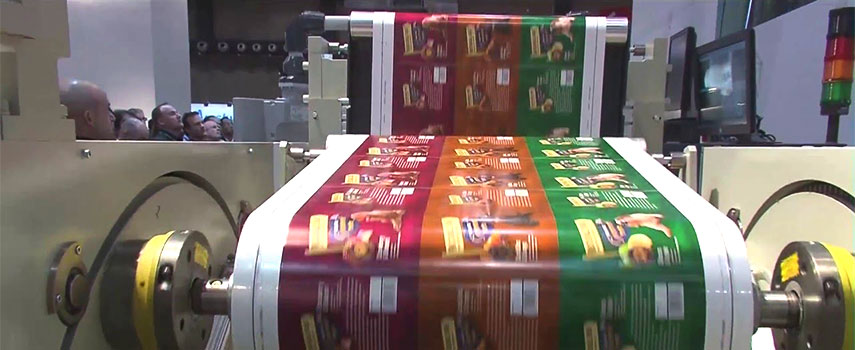
Starch-based materials, often blended with other biopolymers, are used for flexible films, loose-fill packaging, and trays. They are lightweight, compostable, and suitable for a range of applications. Some starch-based foams can replace expanded polystyrene (EPS) in protective packaging.
Edible and Water-Soluble Packaging
Innovations in edible packaging—made from seaweed, rice, or other food-grade materials—are gaining traction, especially for single-serve items. Water-soluble films, often used for detergents or instant foods, dissolve completely in water, leaving no waste behind.
Compostable Laminates and Coatings
To improve barrier properties and durability, manufacturers are developing compostable laminates and coatings that can be applied to paper or bioplastics. These enhance moisture and grease resistance while maintaining biodegradability.
Benefits and Challenges of Switching to Biodegradable Packaging
Adopting biodegradable packaging materials offers several advantages:
- Environmental Impact: Reduces landfill waste and pollution.
- Brand Value: Demonstrates commitment to sustainability.
- Compliance: Meets current and upcoming regulations on single-use plastics.
- Consumer Appeal: Attracts eco-conscious customers.
However, there are also challenges to consider:
- Cost: Some biodegradable options remain more expensive than conventional plastics.
- Performance: Not all materials offer the same strength, barrier properties, or shelf life.
- Composting Infrastructure: Industrial composting facilities may not be available everywhere, affecting end-of-life outcomes.
- Certification: Ensuring materials meet recognized standards (such as ASTM D6400 or EN 13432) is crucial for credibility.
How to Choose the Right Biodegradable Packaging for Your Business
Selecting the most suitable material requires balancing sustainability goals with practical needs. Here are key factors to consider:
- Product Requirements: Consider the weight, moisture sensitivity, and shelf life of your product.
- End-of-Life Options: Assess whether your customers have access to composting or recycling facilities.
- Brand Messaging: Choose materials that align with your brand’s sustainability story.
- Regulatory Compliance: Stay informed about local and international packaging regulations.
- Printing and Design: Ensure the chosen material supports your desired print quality and finishing. For advanced printing needs, see this guide to solvent-free printing processes for eco-friendly production tips.

Emerging Trends in Sustainable Packaging for 2026
The next few years will see rapid innovation in the field of biodegradable packaging. Some notable trends include:
- Smart Packaging: Integration of QR codes, sensors, and tracking for improved supply chain transparency and recycling guidance.
- Hybrid Materials: Combining biodegradable and recycled content for optimal performance and sustainability.
- Minimalist Design: Reducing material use through lightweighting and simplified structures.
- Natural Aesthetics: Embracing textures and finishes inspired by wood, stone, and other organic elements. For more on this, check out the latest trends in wood-grain and natural textures on print.
- Regulatory Shifts: Governments are expected to introduce stricter rules on packaging waste, making early adoption of biodegradable options a strategic move.
For a broader perspective on industry changes, the article on key trends in AI, packaging labels, and eco-friendly production for 2026 provides valuable insights into the future of printing and packaging.
Frequently Asked Questions
What makes a packaging material truly biodegradable?
For a material to be considered biodegradable, it must break down into natural elements (like water, carbon dioxide, and biomass) through the action of microorganisms, typically within a specific time frame and under certain conditions. Certification standards such as ASTM D6400 or EN 13432 help verify these claims.
Are all bioplastics compostable at home?
No, not all bioplastics are suitable for home composting. Some require the higher temperatures and controlled conditions of industrial composting facilities. Always check the packaging for compostability certifications and instructions.
How can brands ensure their packaging is both sustainable and visually appealing?
Advancements in printing technology and material science allow for high-quality graphics and finishes on biodegradable substrates. Exploring resources like the guide to achieving photographic quality on corrugated flutes can help brands maintain strong visual impact while prioritizing sustainability.
Conclusion
Transitioning to biodegradable packaging materials is a crucial step for businesses aiming to reduce their environmental footprint and meet the expectations of modern consumers. By understanding the available options, their benefits, and the challenges involved, brands can make informed decisions that support both sustainability and business goals. As regulations tighten and innovation accelerates, staying informed and adaptable will be key to success in the evolving packaging landscape.