The shift toward a circular economy is transforming how brands approach packaging. Instead of single-use materials that end up in landfills, companies are rethinking every stage of the packaging lifecycle to prioritize reuse, recycling, and regeneration. For businesses and designers, understanding how to design packaging for the circular economy is essential to meet sustainability goals, comply with regulations, and satisfy increasingly eco-conscious consumers.
This article provides a practical, step-by-step guide to creating packaging that supports a circular system. You’ll learn about material selection, design principles, and strategies for closing the loop, along with real-world examples and actionable tips. For those interested in the latest innovations, you can also explore what is nanotechnology in food packaging and how it contributes to safer, more sustainable solutions.

Understanding the Circular Economy in Packaging
The circular economy is an economic model focused on eliminating waste and maximizing the continual use of resources. In the context of packaging, this means designing products that can be reused, repaired, or recycled, rather than discarded after a single use. The goal is to keep materials in circulation for as long as possible, reducing the need for virgin resources and minimizing environmental impact.
Key principles include:
- Designing out waste and pollution from the start
- Keeping products and materials in use through reuse, recycling, or composting
- Regenerating natural systems by using renewable or biodegradable materials
Adopting these principles requires a shift in mindset, moving from a traditional linear approach (“take, make, dispose”) to a system where packaging is part of a closed loop.
Step 1: Define Your Packaging’s Purpose and Lifecycle
Before selecting materials or creating graphics, clarify the functional requirements of your packaging. Consider:
- What product does it protect?
- How will it be transported, stored, and displayed?
- What is its intended end-of-life scenario—reuse, recycling, composting, or return?
Mapping the full lifecycle helps identify opportunities to reduce waste and improve circularity. For example, packaging designed for easy disassembly can be more efficiently recycled or reused.
Step 2: Choose Materials for Circularity
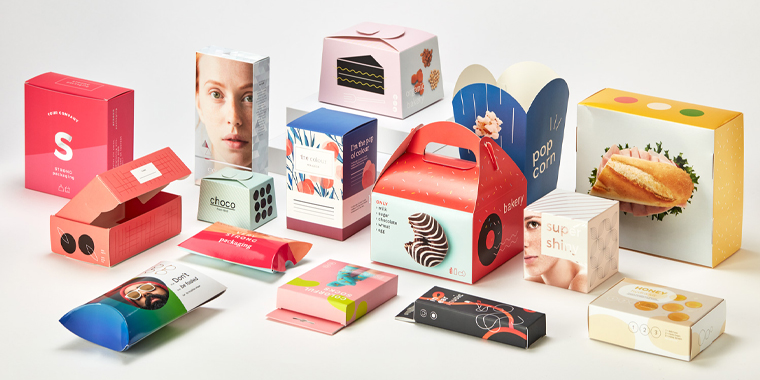
Material selection is a cornerstone of circular packaging design. Opt for materials that are renewable, recycled, or easily recyclable. Common options include:
- Paper and cardboard: Widely recyclable and often made from renewable sources
- Bioplastics: Derived from plants and sometimes compostable
- Mono-material plastics: Easier to recycle than multi-layer composites
- Reusable materials: Glass, metal, or durable plastics for refillable systems
Avoid using mixed materials that are difficult to separate, as they often end up in landfills. When possible, source recycled content to further close the loop.
Step 3: Design for Reuse, Recovery, and Recycling
Effective circular packaging is designed with its next life in mind. Here are some strategies:
- Reuse: Create packaging that can be returned and refilled, such as glass bottles or sturdy containers. Consider systems that incentivize consumers to participate in reuse programs.
- Recycling: Use clear labeling and standardized materials to make recycling easy. Avoid unnecessary coatings, inks, or adhesives that hinder recyclability.
- Composting: For food and perishables, consider compostable materials that break down safely in industrial or home composting environments.
Incorporate design elements that facilitate disassembly, such as easy-to-remove labels or snap-fit closures. This approach supports efficient sorting and processing at recycling facilities.
Step 4: Minimize Material Use and Optimize Structure
Reducing material usage not only lowers costs but also decreases environmental impact. Techniques include:
- Right-sizing packaging to fit products closely and avoid excess
- Using lightweight materials without sacrificing strength
- Eliminating unnecessary layers, inserts, or secondary packaging
Structural optimization can also improve stackability and reduce transportation emissions. Digital printing technologies, as discussed in resources like the future of digital printing in packaging, enable short runs and customization without wasteful overruns.
Step 5: Communicate Circularity to Consumers
Clear communication is vital for the success of circular packaging. Use on-pack messaging and icons to explain how to reuse, recycle, or compost the packaging. Consider QR codes that link to instructional videos or local recycling guidelines.
Transparency builds trust and encourages responsible disposal. Brands can also highlight certifications (such as FSC, Cradle to Cradle, or compostability marks) to reinforce their commitment to sustainability.
Step 6: Collaborate Across the Value Chain
Achieving true circularity requires collaboration with suppliers, manufacturers, retailers, and waste management partners. Engage stakeholders early to ensure that materials, processes, and logistics support your sustainability goals.
Stay informed about advances in packaging technology. For example, how inkjet technology is changing packaging can open new possibilities for sustainable customization and efficient production.
Regularly review your packaging’s performance and seek feedback from customers and partners. Continuous improvement is key to keeping pace with evolving regulations and consumer expectations.
Examples of Circular Packaging in Action
Many leading brands are already implementing circular principles in their packaging:
- Loop: A global platform that partners with brands to deliver products in reusable containers, which are collected, cleaned, and refilled.
- Mono-material pouches: Some snack brands have switched to single-material plastic packaging, making it easier to recycle.
- Compostable mailers: E-commerce companies are adopting compostable shipping bags to reduce plastic waste.
These examples demonstrate that circular packaging is not only possible but increasingly practical and scalable.
Frequently Asked Questions
What are the main benefits of circular packaging design?
Circular packaging reduces waste, conserves resources, and lowers environmental impact. It can also enhance brand reputation, meet regulatory requirements, and appeal to sustainability-minded consumers.
How can small businesses start designing for the circular economy?
Start by evaluating your current packaging and identifying areas for improvement, such as switching to recyclable materials or reducing excess. Collaborate with suppliers and look for inspiration in industry resources, including articles on the impact of e-commerce on packaging printing trends.
What challenges might companies face when transitioning to circular packaging?
Common challenges include sourcing suitable materials, managing costs, and ensuring that recycling or reuse systems are accessible to consumers. Education and collaboration across the supply chain are essential to overcoming these barriers.