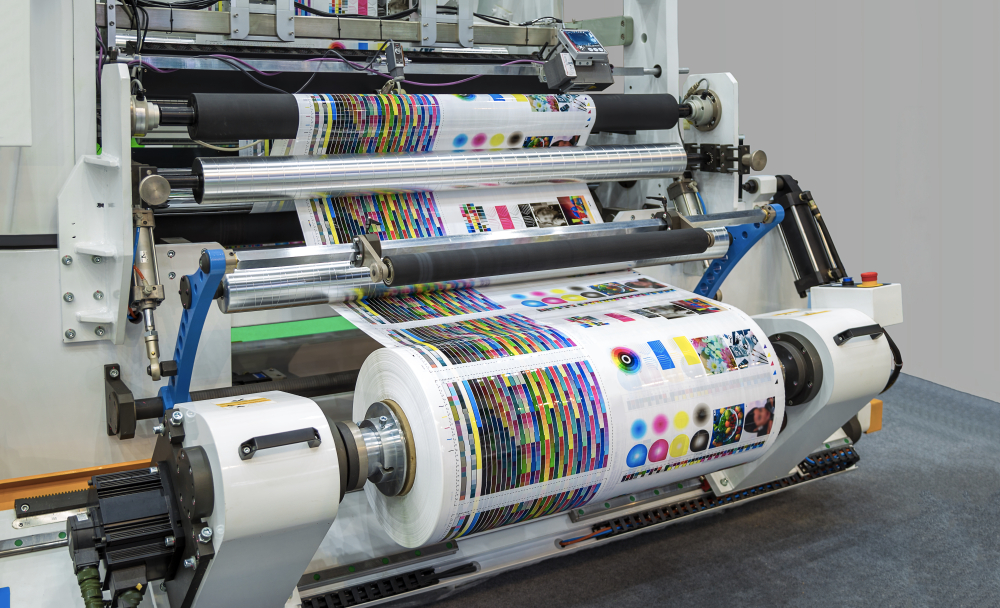

As sustainability becomes a top priority for brands and manufacturers, the use of compostable bioplastics in packaging and product design is rapidly expanding. These innovative materials offer a promising alternative to conventional plastics, but they also introduce unique challenges—especially when it comes to printing. Achieving high-quality, durable, and eco-friendly graphics on compostable substrates requires a careful understanding of both the material and the printing process.
This article provides a comprehensive overview of the technical considerations, methods, and best practices for printing on compostable bioplastics. Whether you are a packaging engineer, product designer, or print specialist, you will find actionable insights to help you navigate this evolving field. For a broader perspective on emerging packaging technologies, you may also be interested in learning about what is nanotechnology in food packaging and its impact on safety and performance.
Understanding Compostable Bioplastics and Their Printing Challenges
Compostable bioplastics are derived from renewable resources such as corn starch, sugarcane, or cellulose. Unlike traditional plastics, these materials are designed to break down under industrial composting conditions, leaving no toxic residue. Popular types include PLA (polylactic acid), PHA (polyhydroxyalkanoates), and starch blends.
Printing on these substrates is not as straightforward as with petroleum-based plastics. The main challenges include:
- Surface energy: Many bioplastics have lower surface energy, making ink adhesion more difficult.
- Heat sensitivity: Some compostable materials deform or degrade at lower temperatures, limiting the use of certain printing techniques.
- Chemical compatibility: Bioplastics may react differently to solvents and additives found in standard inks.
- Compostability requirements: Any inks or coatings used must also be compostable or certified for compostable packaging.
Preparing Bioplastic Surfaces for Optimal Print Results
Surface preparation is critical for achieving strong ink adhesion and vibrant graphics. Here are the most effective methods:
- Corona Treatment: This process uses a high-voltage electrical discharge to increase the surface energy of the bioplastic, improving wettability and ink bonding.
- Plasma Treatment: Atmospheric plasma can clean and activate the surface without adding heat, making it suitable for heat-sensitive substrates.
- Flame Treatment: A controlled flame briefly oxidizes the surface, but this method must be used cautiously due to the risk of warping or damaging compostable films.
- Primers: Compostable primers can be applied to enhance adhesion, but it is essential to ensure that any primer used is also certified compostable.
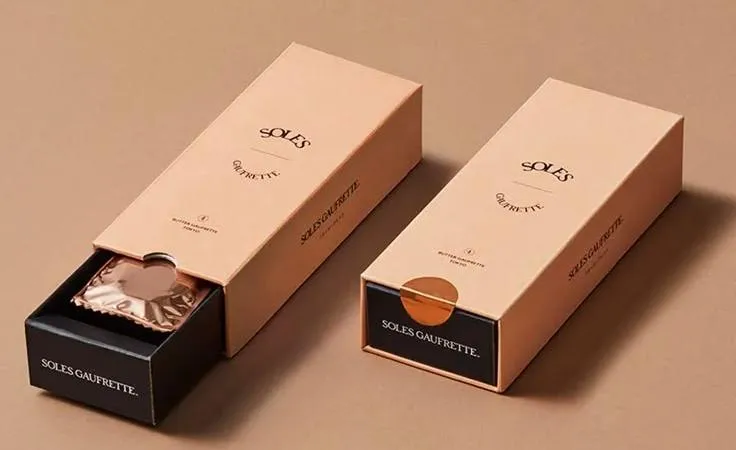
Choosing the Right Printing Methods for Compostable Materials
Selecting the appropriate printing technology is essential for both print quality and material integrity. Here are the most common methods used with compostable bioplastics:
Flexographic Printing
Flexography is widely used for flexible packaging and labels. It offers fast production speeds and is compatible with water-based and UV-curable inks. However, the choice of ink must be carefully matched to the compostable substrate to ensure both adhesion and compostability.
Digital Inkjet Printing
Inkjet technology is increasingly popular for short runs and variable data printing. Advances in how inkjet technology is changing packaging have made it possible to print on a wider range of eco-friendly materials. When using inkjet on bioplastics, opt for water-based or specially formulated eco-inks that meet compostability standards.
Screen Printing
Screen printing can deliver vibrant, opaque colors on thick or rigid bioplastic items. It is important to use compostable inks and avoid excessive heat during curing to prevent substrate deformation.
Gravure and Offset Printing
While gravure and offset are less common for compostable films, they can be used for certain rigid applications. The main limitation is the availability of suitable inks and the need for careful process control to avoid damaging the material.
Ink Selection: Compostability and Performance
The choice of ink is as important as the printing process itself. To maintain the compostable nature of the final product, all inks and additives must be certified compostable or biodegradable. Look for inks that are:
- Water-based: These are generally safer for compostable substrates and offer good print quality.
- Vegetable-based or bio-inks: Derived from renewable resources, these inks minimize environmental impact.
- UV-curable (with caution): Some UV inks are formulated for compostable applications, but always verify certification.
Avoid solvent-based inks unless specifically designed for compostable plastics, as they may compromise the material’s integrity and compostability.

Best Practices for Printing on Compostable Bioplastics
- Test thoroughly: Always conduct adhesion, abrasion, and compostability tests before full-scale production.
- Monitor temperature: Keep process temperatures below the softening point of the bioplastic to avoid deformation.
- Use certified materials: Ensure all inks, primers, and coatings are certified for compostable packaging.
- Optimize curing: Adjust curing times and methods to prevent damage while ensuring ink durability.
- Stay updated: The field of sustainable packaging is evolving rapidly. For insights into future trends, see this analysis of print and packaging innovations for 2026.
Quality Control and Certification
To ensure your printed compostable products meet regulatory and market requirements, implement robust quality control measures:
- Adhesion testing: Use tape or scratch tests to verify ink adhesion.
- Compostability certification: Seek third-party certification (such as ASTM D6400, EN 13432, or OK Compost) for both the substrate and the printed product.
- Migration testing: For food-contact applications, ensure inks and coatings do not migrate into the product.
Integrating Printing into Sustainable Packaging Strategies
Printing on compostable bioplastics is just one part of a broader sustainable packaging approach. Consider how your graphics, labeling, and branding can reinforce your commitment to the environment. Explore related innovations such as active packaging technology or haptic elements in packaging to further enhance product appeal and functionality.
Frequently Asked Questions
What types of inks are suitable for compostable bioplastics?
Water-based, vegetable-based, and specially formulated UV-curable inks that are certified compostable are best. Always confirm that the ink is compatible with your specific bioplastic substrate and meets compostability standards.
Can standard printing equipment be used for compostable materials?
Many standard printing presses can be adapted for compostable substrates, but adjustments may be needed for temperature, ink formulation, and surface preparation. Consult your equipment manufacturer and conduct thorough testing before production.
How can I ensure the printed product remains fully compostable?
Use only certified compostable inks, primers, and coatings. Obtain third-party certification for the finished product and perform regular quality checks to verify compliance with compostability standards.
Are there limitations to graphic design when printing on compostable bioplastics?
Some limitations exist due to ink adhesion and color vibrancy, but advances in surface treatment and ink technology have greatly improved design possibilities. Work closely with your print provider to optimize artwork for the chosen substrate and printing method.
Conclusion
As demand for eco-friendly packaging grows, mastering the technical aspects of printing on compostable bioplastics is essential. By understanding the unique properties of these materials, selecting the right printing methods and inks, and adhering to best practices, brands can achieve both sustainability and high-quality visual results. Stay informed about the latest trends and technologies to ensure your packaging remains both innovative and environmentally responsible.