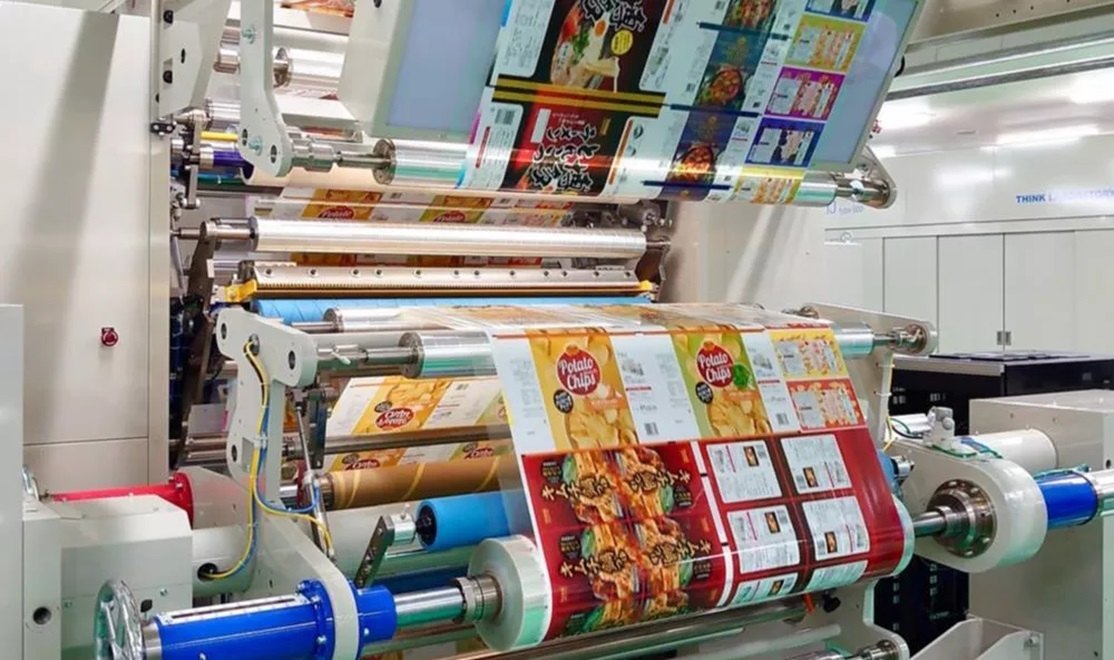

Reducing environmental impact is a growing priority in the packaging sector, especially as brands and consumers demand more sustainable practices. For companies seeking how to reduce carbon footprint in packaging printing, the path involves a combination of technology upgrades, process improvements, and material choices. This article explores actionable strategies for minimizing emissions and waste in packaging print operations, from prepress to finished product.
Adopting eco-friendly printing methods not only helps the planet but can also enhance brand reputation and operational efficiency. By understanding the main sources of carbon emissions in packaging print workflows, businesses can make informed decisions that align with both regulatory requirements and customer expectations.
For those interested in advanced eco-friendly print technologies, our guide to solvent-free printing processes provides in-depth insights into alternatives that significantly cut emissions and improve workplace safety.
Understanding Carbon Emissions in Packaging Print Workflows
Before implementing solutions, it’s important to identify where emissions originate. In packaging print operations, the main contributors to carbon footprint include:
- Energy consumption from presses, drying systems, and finishing equipment
- Raw material sourcing, especially paper, board, plastics, and inks
- Waste generation during setup, changeovers, and defective runs
- Logistics for material delivery and product distribution
Each of these areas offers opportunities for improvement. By targeting the most impactful sources, print businesses can achieve measurable reductions in greenhouse gas emissions.
Switching to Low-Impact Materials
Material selection is one of the most direct ways to lower the carbon footprint of packaging print jobs. Consider these approaches:
- Use recycled substrates: Opt for paper, board, or plastic with high post-consumer recycled content. This reduces the need for virgin resources and lowers embodied carbon.
- Source certified materials: Look for FSC, PEFC, or similar certifications to ensure responsible forestry and supply chain practices.
- Choose biodegradable or compostable options: Where possible, select substrates that break down naturally, minimizing landfill impact.
- Minimize material thickness: Lightweighting packaging can reduce both material use and transportation emissions.
Inks and coatings also play a role. Water-based, vegetable-based, or UV-curable inks typically have a lower environmental impact than traditional solvent-based alternatives. For more on this, see our overview of specialty packaging print methods.
Adopting Energy-Efficient Printing Technologies
Modernizing equipment is a key strategy for those seeking how to reduce carbon footprint in packaging printing. Newer presses and finishing systems are designed for lower energy use and faster setup times. Consider these upgrades:
- Digital printing: Digital presses eliminate many steps involved in traditional printing, reducing waste and energy use. They are ideal for short runs and variable data jobs.
- LED-UV curing: Replacing conventional drying with LED-UV systems can cut energy consumption dramatically and reduce heat emissions.
- Automated makeready: Automation reduces setup waste and ensures optimal ink laydown, further minimizing resource use.
According to recent industry analysis, the shift toward digital and hybrid print solutions is accelerating, with digital print for packaging projected to reach $22 billion as brands seek more agile, sustainable solutions.

Optimizing Workflow and Reducing Waste
Operational efficiency is crucial for minimizing both costs and emissions. Here are practical steps for waste reduction in packaging print environments:
- Standardize job setups to reduce trial runs and material waste
- Implement color management systems for accurate first-time prints
- Recycle offcuts and trimmings wherever possible
- Train staff on sustainable practices and efficient machine operation
Continuous improvement programs, such as Lean Manufacturing or Six Sigma, can help identify and eliminate inefficiencies that contribute to unnecessary emissions.
Leveraging Solvent-Free and Water-Based Processes
Traditional solvent-based inks and cleaning agents are significant sources of volatile organic compounds (VOCs) and greenhouse gases. Transitioning to solvent-free printing and water-based processes can dramatically lower emissions. For a step-by-step approach, explore our detailed guide to solvent-free printing processes.
Water-based inks are now available for many packaging applications, offering vibrant color and durability while reducing environmental impact. These alternatives also improve workplace air quality and simplify waste disposal.
Smart Packaging Design for Sustainability
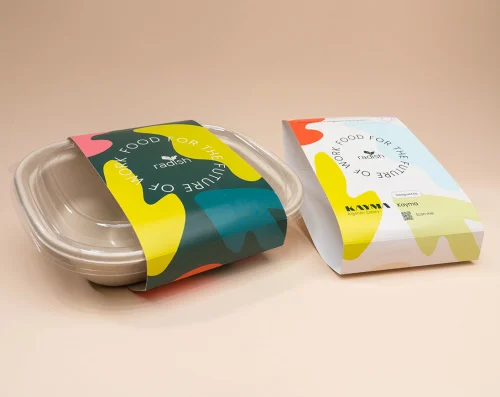
Design choices have a direct impact on the sustainability of packaging. By integrating eco-design principles, brands can reduce material use and improve recyclability:
- Minimize packaging layers and eliminate unnecessary inserts
- Design for disassembly to facilitate recycling
- Use mono-materials where possible to simplify end-of-life processing
- Print only essential information to reduce ink consumption
Collaborating with packaging engineers and sustainability experts during the design phase can uncover further opportunities for emission reductions.
Monitoring and Reporting Carbon Footprint
Measuring progress is essential for ongoing improvement. Many organizations now use carbon accounting tools to track emissions across the print lifecycle. Key steps include:
- Conducting regular energy audits to identify high-consumption areas
- Tracking material usage and waste generation
- Calculating emissions using recognized standards (e.g., GHG Protocol)
- Reporting results to stakeholders and using data to set reduction targets
Transparent reporting not only demonstrates commitment to sustainability but can also uncover cost-saving opportunities.
Collaborating Across the Supply Chain
Reducing the carbon footprint of packaging print is most effective when suppliers, converters, and brand owners work together. Key strategies include:
- Engaging suppliers to source lower-impact materials and inks
- Coordinating logistics to minimize transportation emissions
- Sharing best practices across the value chain
Innovations such as oxygen scavenger labels and automation technologies are also helping to extend shelf life and reduce waste, further supporting sustainability goals.
Frequently Asked Questions
What are the most effective ways to cut emissions in packaging print operations?
The most impactful measures include switching to recycled and certified materials, adopting energy-efficient presses, using water-based or solvent-free inks, and optimizing workflows to reduce waste. Measuring and reporting emissions also helps track progress and identify further improvements.
How can digital printing help lower the carbon footprint?
Digital presses reduce setup waste, use less energy for short runs, and allow for on-demand production, which minimizes overproduction and inventory waste. They also support variable data printing, reducing the need for multiple print runs.
Are there industry certifications for sustainable packaging printing?
Yes, certifications such as FSC and PEFC for substrates, as well as ISO 14001 for environmental management systems, are widely recognized. These standards help ensure responsible sourcing and continuous improvement in sustainability practices.
Conclusion
Lowering the environmental impact of packaging print operations is achievable through a combination of material choices, technology upgrades, process optimization, and collaboration. By taking proactive steps and leveraging the latest innovations, print businesses can meet the expectations of eco-conscious consumers and contribute to a more sustainable future.