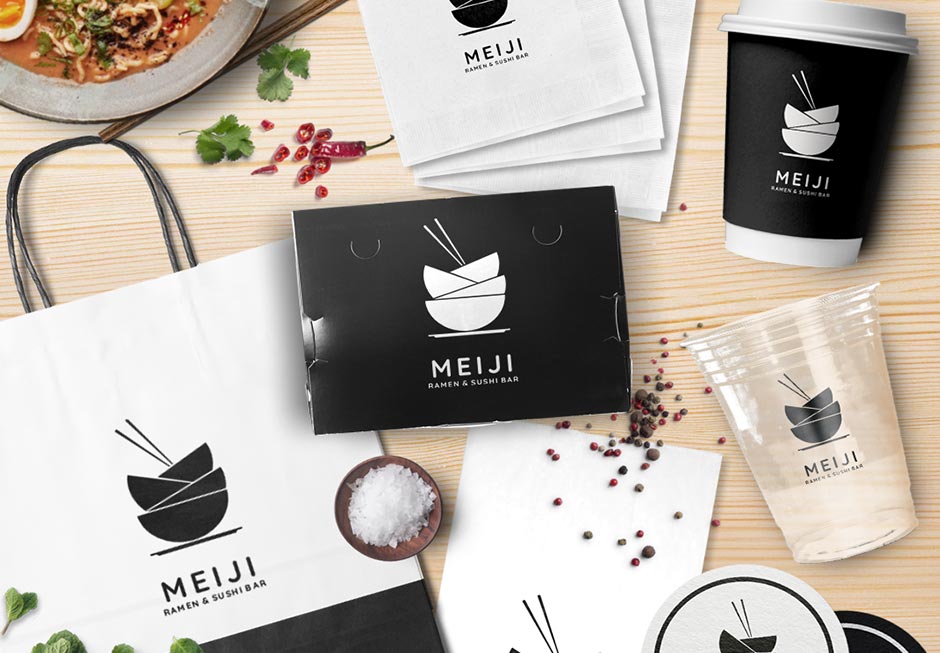

The packaging industry is undergoing a significant transformation, driven by rapid advancements in digital printing technology. As brands seek faster turnaround times, greater customization, and more sustainable solutions, the future of digital packaging printing is becoming a focal point for innovation. From flexible substrates to smart packaging features, this article explores the most important trends and breakthroughs shaping the next era of packaging production.
Whether you’re a packaging designer, print service provider, or brand owner, understanding these developments is crucial for staying competitive. We’ll look at how digital processes are evolving, the impact on sustainability, and which technologies are set to redefine how products are packaged and presented. For those interested in eco-friendly production, you may also want to explore this guide to solvent-free printing processes for additional insights on sustainable print methods.
Emerging Trends in Digital Packaging Production
Digital printing has already made a significant impact on the packaging sector, but the next wave of innovation is set to accelerate change even further. Here are some of the most notable trends influencing the industry:
- Personalization at Scale: Brands are leveraging digital presses to create unique, targeted packaging for specific audiences or events. This capability is especially valuable for limited runs, seasonal promotions, and regional campaigns.
- Shorter Lead Times: Digital workflows eliminate many of the setup steps required by traditional printing, enabling faster response to market demands and reducing inventory costs.
- Variable Data Printing (VDP): The ability to print individualized text, images, or codes on each package is opening new possibilities for customer engagement, traceability, and anti-counterfeiting measures.
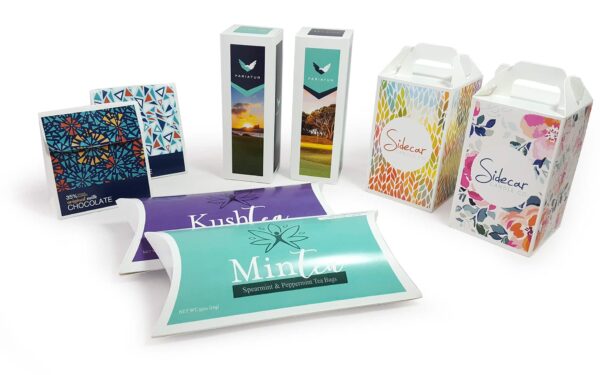
- Expansion into New Substrates: Advances in inkjet and toner technology are allowing digital presses to print on a wider range of materials, including flexible films, corrugated boards, and even metalized surfaces.
Key Technologies Shaping the Next Generation of Packaging
Several technological breakthroughs are driving the evolution of digital packaging. These innovations are not only improving print quality and efficiency but also enabling entirely new packaging concepts.
High-Speed Inkjet and Toner Presses
Modern digital presses are achieving speeds and resolutions that rival traditional flexographic and offset methods. High-speed inkjet, in particular, is making it possible to produce large volumes of packaging with exceptional color accuracy and consistency. This is especially relevant for brands seeking to maintain high standards across multiple SKUs or product lines.
Smart Packaging and Connected Features
Digital printing is enabling the integration of smart elements such as QR codes, NFC tags, and augmented reality triggers directly onto packaging. These features can enhance consumer interaction, provide product authentication, and deliver dynamic content. As the Internet of Things (IoT) expands, expect to see more packaging that bridges the gap between the physical and digital worlds.
Eco-Friendly Inks and Substrates
Sustainability is a top priority for both brands and consumers. Digital printing is supporting this shift by enabling the use of water-based, solvent-free, and UV-curable inks that reduce environmental impact. Additionally, the ability to print on recycled and compostable materials is expanding, making it easier for companies to meet their sustainability goals. For more on this topic, see our innovations in oxygen scavenger labels article, which explores how packaging can extend shelf life while remaining environmentally responsible.
Customization and Personalization: The New Standard
One of the defining advantages of digital technology is the ability to customize packaging on-demand. This is transforming how brands connect with consumers and differentiate themselves in crowded markets.
- Mass Customization: Digital workflows allow for the efficient production of unique packaging designs, even in large quantities. This is ideal for brands running multiple campaigns or serving diverse markets.
- Interactive Packaging: By combining variable data printing with smart features, brands can create packaging that responds to customer actions, such as scanning a code for a personalized offer or product information.
- Enhanced Brand Loyalty: Personalized packaging can increase perceived value and foster a stronger emotional connection with customers.
Sustainability and Efficiency in Modern Packaging
The shift toward digital processes is not just about speed and flexibility—it’s also about reducing waste and improving resource efficiency. Here’s how new developments are making packaging more sustainable:
- On-Demand Production: Printing only what is needed minimizes overproduction and reduces the risk of obsolete stock.
- Reduced Waste: Digital presses require fewer setup materials, such as plates and chemicals, resulting in less waste and lower energy consumption.
- Support for Circular Economy: The ability to print on recyclable and biodegradable substrates supports a more circular approach to packaging design.
For those interested in specialty applications, our resource on what is sublimation printing for specialty packaging covers how digital techniques are expanding creative possibilities while maintaining environmental responsibility.
Automation and the Role of Robotics
Automation is playing a growing role in packaging production, from prepress to finishing. Robotics and cobots (collaborative robots) are being integrated into digital workflows to streamline tasks such as material handling, inspection, and packing. This not only increases efficiency but also helps address labor shortages and improve workplace safety. For a deeper dive into this topic, see our article on the future of cobots in packaging decoration and finishing.
Challenges and Opportunities Ahead
While the benefits of digital printing are clear, there are still challenges to overcome. These include the need for further improvements in ink adhesion, color management across substrates, and cost-effective solutions for high-volume runs. However, ongoing research and development are addressing these issues, and the pace of innovation suggests that many current limitations will soon be resolved.
For a comprehensive look at how printers are adapting to these changes, this analysis of flexible packaging and digital printing expansion offers valuable industry perspectives.
Frequently Asked Questions
What are the main benefits of digital printing for packaging?
Digital printing offers faster turnaround times, cost-effective short runs, and the ability to customize each package. It also supports sustainability by reducing waste and enabling on-demand production.
How does digital printing support sustainability in packaging?
By minimizing setup materials, enabling printing on recycled or compostable substrates, and supporting just-in-time production, digital printing helps reduce environmental impact and supports a circular economy.
What innovations are expected to shape the future of packaging production?
Key innovations include high-speed inkjet presses, smart packaging features, eco-friendly inks, and automation through robotics and cobots. These advancements are making packaging more efficient, interactive, and sustainable.
Conclusion
The packaging sector is on the cusp of a new era, with digital technology at its core. As the future of digital packaging printing unfolds, expect to see greater personalization, smarter features, and more sustainable solutions. Staying informed about these trends will help brands and print providers remain agile and competitive in a rapidly changing market.