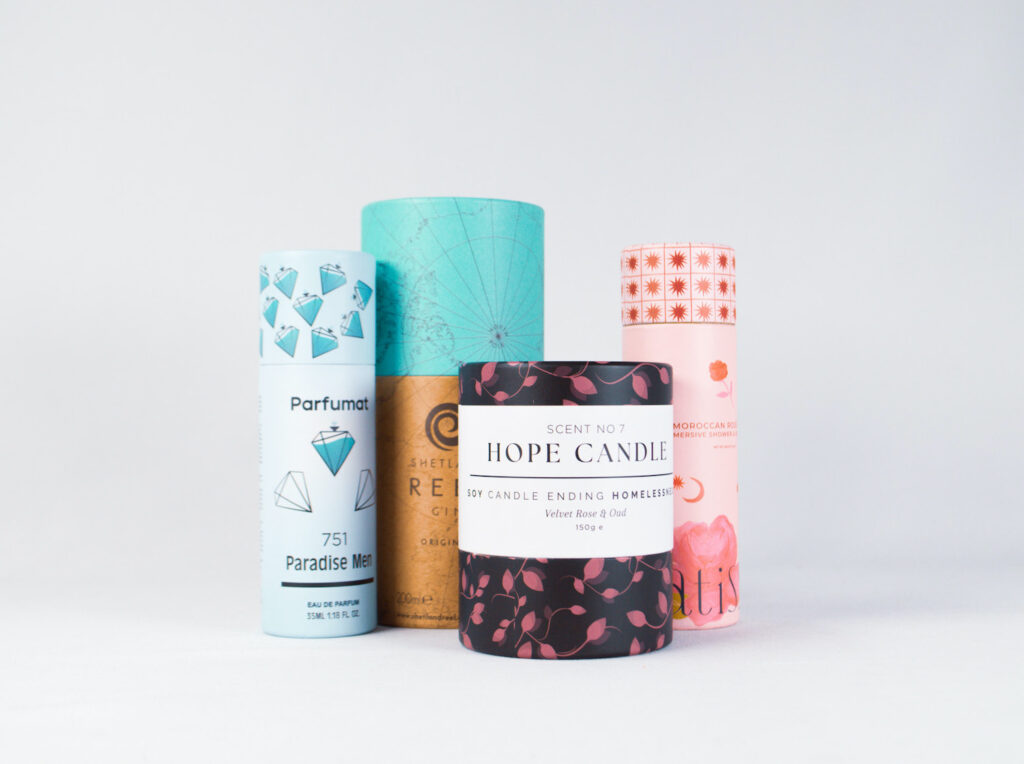

As sustainability becomes a top priority for brands and consumers alike, businesses are increasingly seeking ways to reduce their environmental impact. One significant step is moving away from plastic-based materials in packaging and adopting eco-friendly printing practices. Making the switch to plastic-free packaging printing not only helps protect the environment but can also strengthen your brand’s reputation and appeal to conscious shoppers.
This guide offers a practical roadmap for companies ready to embrace greener packaging. We’ll cover material choices, printing technologies, design considerations, and supply chain adjustments. You’ll also find links to related resources, actionable tips, and answers to common questions about sustainable packaging transitions.
For brands interested in exploring the latest natural packaging trends, the article on trends in wood-grain and natural textures on print provides valuable inspiration for sustainable design approaches.
Why Shift to Eco-Conscious Packaging Printing?
Plastic waste is a major environmental concern, with millions of tons ending up in landfills and oceans each year. By adopting plastic-free packaging printing methods, businesses can:
- Reduce their carbon footprint and landfill contributions
- Meet growing consumer demand for sustainable products
- Comply with evolving regulations on single-use plastics
- Enhance brand image and differentiate from competitors
Switching to more sustainable packaging is not just an ethical choice—it’s becoming a business necessity as legislation tightens and eco-consciousness rises globally.
Assessing Your Current Packaging and Printing Processes
Before making changes, conduct a thorough audit of your existing packaging materials and printing workflows. Identify where plastics are used, from laminates and coatings to adhesives and inks. Key questions to ask include:
- Which packaging components contain plastic or petroleum-based materials?
- Are your current inks, coatings, or finishes derived from fossil fuels?
- How recyclable or compostable are your existing packaging solutions?
This assessment will help you pinpoint areas for improvement and set clear goals for your transition.
Choosing Sustainable Materials and Printing Methods
One of the most impactful steps is selecting materials that are biodegradable, compostable, or easily recyclable. Popular options include:
- Paperboard and Cardboard: Widely recyclable and suitable for a range of products
- Plant-Based Films: Made from renewable resources like cellulose or cornstarch
- Compostable Bioplastics: Such as PLA, which break down under industrial composting
When it comes to printing, opt for water-based or vegetable-based inks, which are less harmful to the environment than traditional solvent-based inks. For a deeper dive into eco-friendly printing, the guide to solvent-free printing processes is a helpful resource.

Design Considerations for Plastic-Free Packaging Printing
Transitioning to sustainable packaging isn’t just about materials—it also involves rethinking design. Consider the following:
- Minimalist Designs: Reduce ink coverage and avoid unnecessary embellishments
- Functional Simplicity: Eliminate plastic windows, coatings, or lamination
- Clear Recycling Instructions: Help consumers dispose of packaging responsibly
Collaborate with packaging designers who understand the nuances of eco-friendly materials and can create attractive, functional, and sustainable packaging that aligns with your brand values.
Adapting Your Supply Chain for a Greener Future
Shifting to plastic-free packaging printing often requires changes throughout your supply chain. Key steps include:
- Partnering with suppliers who offer certified sustainable materials
- Ensuring printers use environmentally responsible inks and processes
- Auditing logistics to minimize transportation emissions
It’s also important to communicate openly with your partners about your sustainability goals. This can foster innovation and ensure everyone is aligned in reducing environmental impact.

Overcoming Common Challenges in the Transition
Moving away from plastics can present hurdles, but with careful planning, these can be managed:
- Cost: Sustainable materials may have higher upfront costs, but bulk purchasing and streamlined designs can help offset expenses over time.
- Performance: Some eco-friendly materials have different barrier or strength properties. Testing and prototyping are essential to ensure product safety and shelf life.
- Printing Quality: Not all inks and substrates behave the same way. Work closely with your print provider to achieve the desired look and feel.
For businesses with specialty packaging needs, learning about what is sublimation printing for specialty packaging can offer insights into innovative, lower-impact printing techniques.
Certifications and Compliance for Sustainable Packaging
To build trust and transparency, consider obtaining certifications for your packaging, such as:
- FSC or PEFC: For responsibly sourced paper and board
- Compostable or Biodegradable Labels: Verified by recognized organizations
- Recyclability Certifications: Indicating packaging can be processed in standard recycling streams
Staying informed about local and international regulations is also crucial. Many regions are introducing bans or taxes on single-use plastics, so compliance is essential for market access.
Learning from Industry Leaders
Many companies are already making strides in sustainable packaging. Studying their approaches can provide valuable lessons. For example, reviewing sustainable printing practices for packaging can help you identify best practices and avoid common pitfalls.
Additionally, keeping up with innovations—such as the future of cobots in packaging decoration—can reveal new opportunities for efficiency and sustainability in your operations.
Measuring Success and Communicating Your Progress
Once you’ve implemented plastic-free packaging solutions, track your progress by monitoring:
- Reduction in plastic usage and waste
- Customer feedback and satisfaction
- Compliance with sustainability goals and certifications
Share your achievements with customers through packaging labels, marketing materials, and online channels. Transparency builds trust and can turn your sustainability journey into a powerful brand asset.
FAQs About Moving to Plastic-Free Packaging Printing
What are the most common alternatives to plastic in packaging printing?
Popular alternatives include paperboard, cardboard, plant-based films, and compostable bioplastics. These materials can be paired with water-based or vegetable-based inks for a fully sustainable solution.
Will switching to plastic-free packaging affect print quality?
Eco-friendly substrates and inks may behave differently than conventional materials, but with proper testing and collaboration with experienced printers, you can achieve high-quality results. Advances in technology continue to improve the performance of sustainable printing options.
How can I ensure my new packaging is truly sustainable?
Look for third-party certifications (such as FSC, compostable, or recyclable labels), source materials from reputable suppliers, and work with printers who follow environmentally responsible practices. Regular audits and transparent reporting also help maintain high sustainability standards.