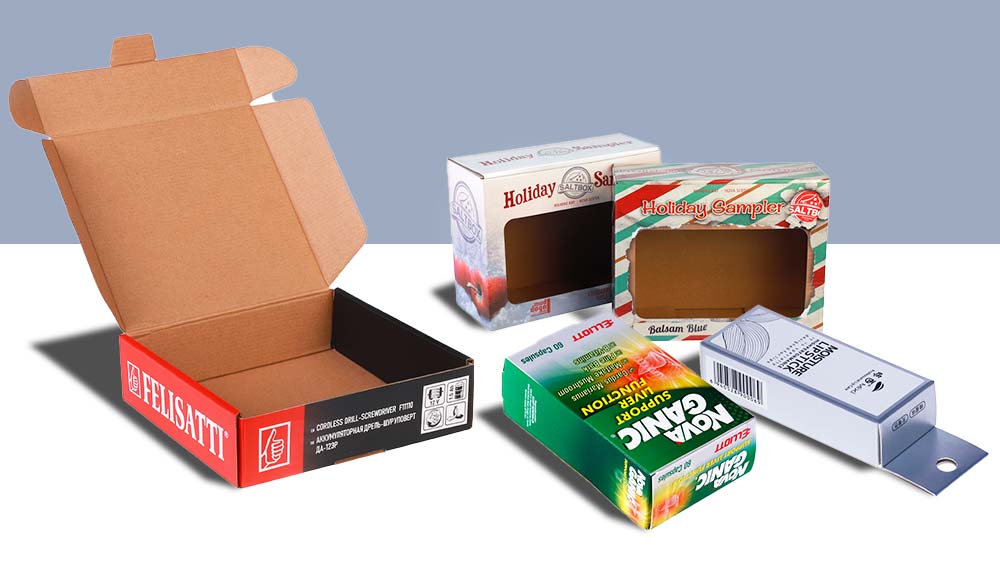

As sustainability becomes a core value for many businesses, brands are seeking innovative ways to reduce their environmental footprint. One printing technology gaining traction among environmentally conscious companies is waterless offset printing. This method offers a range of ecological and practical advantages over traditional offset processes, making it an attractive choice for organizations committed to greener practices.
In this article, we’ll explore how waterless offset technology works, its environmental and quality benefits, and why it’s becoming a preferred solution for brands prioritizing eco-friendly packaging and print materials. For those interested in broader sustainable print trends, the guide to solvent-free printing processes provides additional context on the shift toward greener production methods.
Understanding Waterless Offset Technology
Unlike conventional offset printing, which relies on water-based dampening solutions to keep non-image areas ink-free, waterless offset eliminates the need for water entirely. Instead, it uses specially coated printing plates and temperature-controlled ink rollers to achieve precise ink transfer. This approach brings several advantages of waterless offset printing that are particularly relevant for eco-conscious brands:
- Reduced water consumption: By removing water from the process, this method conserves thousands of liters per print run.
- Lower chemical usage: Traditional dampening solutions often contain alcohols and volatile organic compounds (VOCs), which are minimized or eliminated in waterless systems.
- Enhanced print quality: The absence of water prevents ink emulsification, resulting in sharper images and more consistent color reproduction.
These technical improvements not only support sustainability goals but also deliver tangible benefits in print performance and consistency.
Environmental Advantages for Sustainable Brands
For companies aiming to reduce their ecological impact, the environmental benefits of waterless offset printing are significant. Here’s how this process supports green initiatives:
- Water Conservation: With no need for dampening solutions, waterless offset saves vast amounts of water—a critical resource in many regions.
- Lower Emissions: The process reduces the release of VOCs, which contribute to air pollution and can be harmful to workers and communities.
- Simplified Waste Management: Fewer chemicals mean less hazardous waste, making disposal safer and more cost-effective.
- Energy Efficiency: Waterless presses often operate at lower temperatures and require less cleanup, further reducing energy consumption.
These factors make waterless offset a compelling option for brands that want to align their packaging and marketing materials with environmental values. For those interested in the latest developments in sustainable packaging, exploring trends in wood-grain and natural textures on print can offer additional inspiration for eco-friendly design.

Quality and Efficiency Gains with Waterless Offset
Beyond its ecological advantages, waterless offset delivers notable improvements in print quality and operational efficiency. Brands benefit from:
- Sharper images and finer detail: The absence of water prevents dot gain and ink spread, resulting in crisp, high-resolution prints.
- Consistent color reproduction: Temperature-controlled inks and stable plate chemistry ensure reliable color from the first sheet to the last.
- Faster setup and turnaround: Without the need to balance water and ink, printers can achieve color accuracy more quickly, reducing waste and setup times.
- Reduced paper waste: Fewer test sheets are needed to achieve optimal results, supporting both cost savings and sustainability.
These features are especially valuable for brands producing premium packaging or marketing materials where visual impact and consistency are critical. For those seeking even higher image fidelity, the article on how to achieve photographic quality on corrugated flutes provides further insights into advanced printing techniques.
Comparing Waterless Offset to Traditional Methods
To better understand the benefits of waterless offset printing, it’s helpful to compare it with conventional offset and digital printing:
| Feature | Waterless Offset | Conventional Offset | Digital Printing |
|---|---|---|---|
| Water Usage | None | High | None |
| Chemical Use | Low | Moderate/High | Low |
| Print Quality | Very High | High | Good |
| Setup Time | Short | Long | Minimal |
| Best For | Eco-Friendly, High-Quality Runs | Large Volume, Standard Quality | Short Runs, Variable Data |
While digital printing is also solvent-free and waterless, it may not match the speed or cost-effectiveness of offset for large runs. Waterless offset bridges the gap by offering both environmental benefits and high-volume efficiency.
Adoption Trends and Future Outlook
As more brands place sustainability at the forefront of their operations, the adoption of waterless offset is expected to grow. Advances in plate and ink technology are making this process more accessible and cost-competitive. According to industry experts, the move toward eco-friendly and digital print solutions is reshaping the future of packaging and commercial printing.
Companies that invest in waterless offset not only reduce their environmental impact but also signal their commitment to responsible production—an increasingly important factor for consumers and business partners alike.

Key Considerations for Brands Switching to Waterless Offset
While the advantages of waterless offset printing are clear, brands should consider a few practical factors before making the switch:
- Initial investment: Waterless presses and plates may require upfront costs, but these are often offset by savings in water, chemicals, and waste reduction.
- Supplier expertise: Not all print providers offer waterless offset, so it’s important to work with partners experienced in this technology.
- Material compatibility: Most paper stocks and packaging substrates are suitable, but confirm with your printer for specialty applications.
- Brand messaging: Highlighting your use of waterless offset can strengthen your sustainability story and appeal to eco-minded customers.
For brands with unique packaging needs, learning about what is sublimation printing for specialty packaging can provide additional options for sustainable and innovative print solutions.
Frequently Asked Questions
What makes waterless offset more sustainable than traditional offset printing?
Waterless offset eliminates the need for water and reduces the use of chemicals and VOCs, resulting in less pollution and waste. This makes it a more environmentally friendly choice, especially for brands aiming to minimize their ecological impact.
Is waterless offset suitable for all types of print jobs?
Waterless offset is ideal for high-quality, medium- to large-volume print runs, such as packaging, brochures, and marketing materials. It may not be the most cost-effective option for very short runs or projects requiring frequent variable data changes, where digital printing excels.
How does the print quality of waterless offset compare to other methods?
This technique produces exceptionally sharp images and consistent colors, often surpassing traditional offset in detail and vibrancy. The absence of water prevents ink spread, resulting in cleaner, more precise prints.
Conclusion
For eco-friendly brands, adopting waterless offset offers a practical path to reducing environmental impact while maintaining superior print quality. By conserving water, minimizing chemical use, and delivering outstanding results, this technology aligns with the values of modern, sustainability-focused businesses. As the print industry continues to evolve, waterless offset stands out as a smart, responsible choice for brands looking to make a positive difference—both for their customers and the planet.