As digital printing technology evolves, eco solvent inks have become a popular choice for businesses and hobbyists alike. Their reputation for being less hazardous than traditional solvent inks has led many to wonder about their true safety profile. Understanding the health implications, proper usage, and environmental impact of these inks is essential for anyone considering them for signage, packaging, or other print applications.
This article explores the safety aspects of eco solvent inks, how they compare to other ink types, and best practices for handling and using them in various environments. If you’re interested in how these inks fit into broader print production trends, you may also want to learn about what is digital prototyping for packaging and how it can speed up production.
Understanding Eco Solvent Ink and Its Composition
Eco solvent inks are formulated using mild, biodegradable solvents derived from ether extracts. Unlike traditional solvent inks, which often contain aggressive chemicals and high levels of volatile organic compounds (VOCs), eco solvent variants are designed to be less harsh on both users and the environment. The main ingredients typically include pigments, a biodegradable solvent base, and additives to improve print quality and durability.
These inks are widely used for indoor and outdoor signage, vehicle wraps, and packaging due to their ability to adhere to a variety of substrates while maintaining vibrant colors and weather resistance.
Health and Safety: Is Eco Solvent Ink Safe for Users?
The question of is eco solvent ink safe is central to many print professionals and business owners. Compared to traditional solvent inks, eco solvent formulations emit significantly fewer VOCs, which are the primary contributors to poor indoor air quality and potential health risks. Lower VOC emissions mean reduced exposure to harmful fumes, making these inks safer for operators, especially in enclosed or poorly ventilated spaces.
However, “eco” does not mean entirely free from risk. Prolonged or direct exposure to any chemical ink can cause irritation or allergic reactions in sensitive individuals. It is still important to follow manufacturer guidelines, use gloves when handling ink cartridges or refills, and ensure adequate ventilation in workspaces.
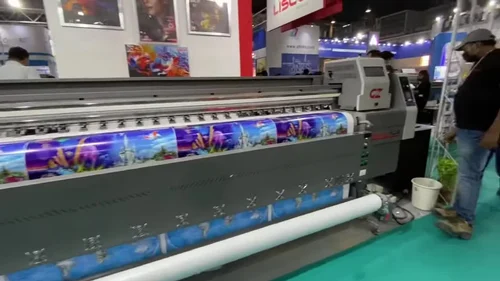
Comparing Eco Solvent Inks to Other Ink Types
When evaluating the safety of eco solvent inks, it’s helpful to compare them to other common ink technologies:
- Traditional Solvent Inks: These contain aggressive solvents and release high levels of VOCs, requiring strong ventilation and personal protective equipment. They are not recommended for indoor use or for environments where people are present for extended periods.
- Water-Based Inks: Generally regarded as the safest option, water-based inks emit minimal VOCs and are often used for indoor applications and packaging. However, they may not offer the same durability for outdoor signage as eco solvent inks.
- UV-Curable Inks: These inks cure instantly under UV light and are popular for their versatility. While they emit little to no VOCs during printing, uncured ink can be hazardous, and UV lamps require additional safety precautions.
For a deeper dive into how eco solvent inks stack up against UV-curable inks, you can read this detailed comparison of UV ink vs. eco solvent.
Environmental Impact and Sustainability
One of the main selling points of eco solvent inks is their reduced environmental footprint. The solvents used are often biodegradable, and the inks are formulated to minimize hazardous waste. This makes them a preferred choice for businesses aiming to reduce their ecological impact without sacrificing print quality.
Proper disposal of ink cartridges and waste is still necessary, as even eco-friendly chemicals can be harmful in large quantities. Many manufacturers offer recycling programs for used cartridges, further supporting sustainable practices.
Best Practices for Safe Handling and Use
To maximize safety when working with eco solvent inks, consider the following recommendations:
- Ventilation: Even though emissions are lower, always work in a well-ventilated area to disperse any residual fumes.
- Protective Gear: Wear gloves when handling ink to avoid skin contact, and clean up any spills promptly.
- Storage: Keep ink containers tightly sealed and stored away from direct sunlight or heat sources.
- Disposal: Follow local regulations for disposing of ink waste and empty cartridges.
- Training: Ensure that all staff are familiar with the safety data sheets (SDS) provided by the ink manufacturer.
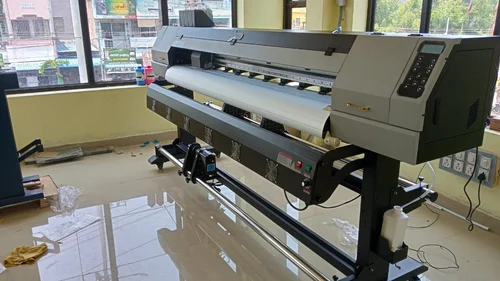
Applications and Where Eco Solvent Inks Excel
These inks are especially valued in the production of outdoor banners, vehicle graphics, and wall murals, where durability and weather resistance are critical. They are also suitable for indoor applications where reduced odor and lower emissions are important, such as in retail displays or office environments.
For brands focused on sustainability and color accuracy, integrating eco solvent inks with modern digital workflows can be beneficial. If you’re interested in optimizing color across locations, consider exploring the benefits of cloud-based color management for global brands.
Frequently Asked Questions
Are eco solvent inks completely non-toxic?
While eco solvent inks are formulated to be less hazardous than traditional solvent inks, they are not entirely non-toxic. They contain mild solvents and chemicals that can cause irritation if handled improperly. Always follow safety instructions and use protective gear when necessary.
Can eco solvent inks be used for indoor printing?
Yes, these inks are suitable for indoor use due to their lower VOC emissions and reduced odor. They are commonly used for indoor signage, wall graphics, and displays where air quality is a concern.
How should I dispose of eco solvent ink waste?
Dispose of ink waste and empty cartridges according to local environmental regulations. Many manufacturers offer recycling programs to help minimize waste and promote sustainability.
Conclusion: Making Informed Choices About Ink Safety
Eco solvent inks offer a balanced combination of print quality, durability, and improved safety compared to traditional solvent-based options. While they are not entirely free from health or environmental risks, their lower emissions and biodegradable components make them a responsible choice for many print applications. By following best practices for handling and disposal, print professionals can enjoy the benefits of these inks while minimizing potential hazards.
For those seeking to stay ahead in print technology, understanding related innovations such as what is holographic lamination or what is electron beam curing in printing can further enhance your production capabilities and sustainability efforts.