
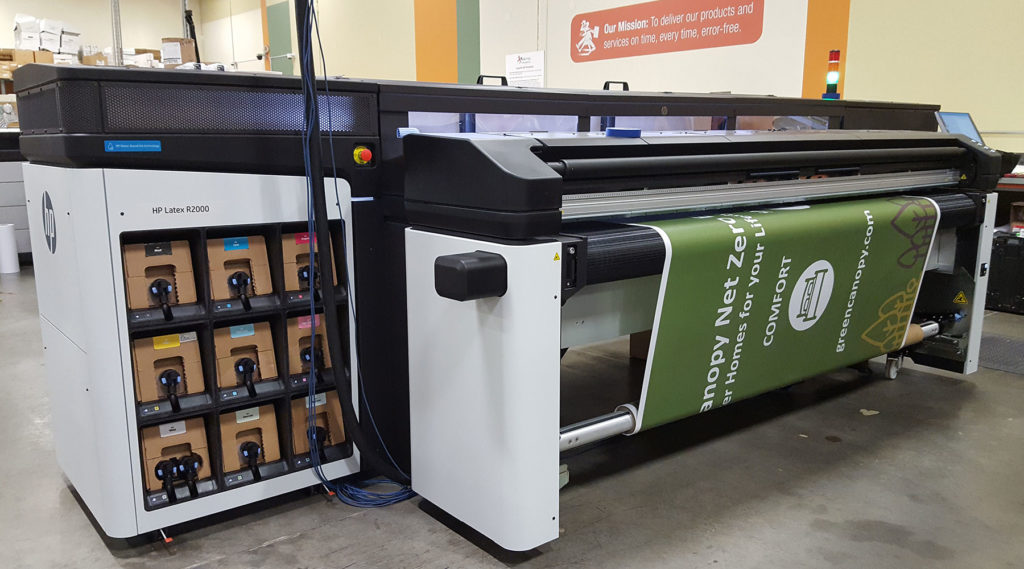

Printing on non-absorbent surfaces such as glass, metal, plastics, and certain coated papers requires specialized techniques and materials. Traditional inks often fail to adhere or dry properly on these substrates, leading to smudging, poor image quality, or even complete print failure. Latex ink technology has emerged as a reliable solution for achieving vibrant, durable prints on these challenging surfaces. This article explores the essential steps, equipment, and best practices for those seeking to master how to print on non-porous materials with latex ink.
Whether you’re a print service provider, packaging designer, or a business owner looking to expand your product offerings, understanding the nuances of latex printing on non-porous substrates can open up new creative and commercial opportunities. For those interested in related innovations, you may also find value in learning about what is digital prototyping for packaging to further streamline your production process.
Understanding Latex Ink Technology for Non-Absorbent Surfaces
Latex inks are water-based dispersions containing pigments and polymer particles. Unlike solvent or UV inks, latex formulations are designed to adhere to a wide range of substrates, including those that do not absorb liquids. The key to their performance lies in the way the ink forms a film on the surface, which is then cured using heat. This process allows for strong adhesion and flexibility, making latex ideal for printing on glass, metals, plastics, and other slick materials.
The versatility of latex ink is further enhanced by its eco-friendly profile. These inks emit low levels of volatile organic compounds (VOCs) and are often certified for indoor use, making them suitable for signage, displays, and packaging that require both durability and safety.
Preparing Non-Porous Materials for Printing
Achieving optimal results when printing on non-absorbent substrates starts with proper preparation. Surface contaminants such as dust, oils, or residues can interfere with ink adhesion and image quality. Here are the key steps to prepare your material:
- Cleaning: Use lint-free cloths and appropriate cleaning agents (such as isopropyl alcohol) to remove any contaminants from the surface.
- Handling: Wear gloves to prevent fingerprints and oils from transferring to the substrate after cleaning.
- Priming (if needed): Some materials, especially certain plastics or metals, may benefit from a primer or adhesion promoter. Check the substrate manufacturer’s recommendations.
Choosing the Right Equipment for Printing on Non-Absorbent Substrates
Not all printers are suitable for latex ink or for handling rigid, non-porous materials. Most latex printing systems are designed for flexible media, but some advanced models can accommodate rigid boards or sheets with the right accessories. Key equipment considerations include:
- Printer Compatibility: Ensure your printer is designed for latex inks and can handle the thickness and rigidity of your chosen substrate.
- Heating System: Latex inks require precise curing temperatures. Your printer should have adjustable heaters to ensure proper ink film formation without damaging the substrate.
- Media Handling: For rigid materials, look for printers with flatbed capabilities or specialized rollers to prevent warping or misfeeds.
Optimizing Print Settings for Non-Porous Applications
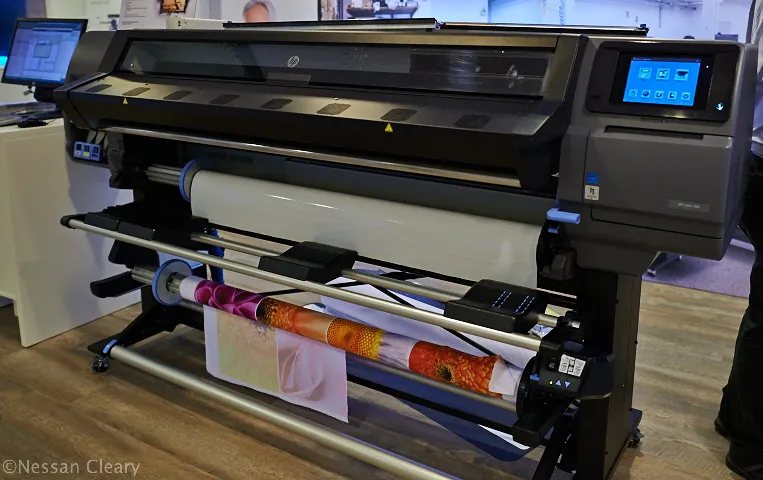
Fine-tuning your print settings is essential for achieving crisp, durable results on non-absorbent surfaces. The following adjustments can make a significant difference:
- Ink Density: Non-porous substrates do not absorb ink, so excessive ink laydown can cause pooling or smudging. Reduce ink density as needed.
- Temperature and Curing: Set the curing temperature according to the substrate’s tolerance. Too much heat can warp plastics or damage coatings, while too little may result in poor adhesion.
- Print Speed: Slower print speeds allow more time for ink to level and cure, improving image quality on slick surfaces.
- Color Management: Use a calibrated monitor and color profiles tailored to your substrate and ink combination. Tools like monitor calibrators help ensure color accuracy from screen to print.
Best Practices for Durable and High-Quality Prints
To maximize the longevity and visual appeal of your prints on non-absorbent materials, consider these best practices:
- Test Prints: Always conduct a test run on a sample piece to verify adhesion, color, and finish before committing to a full production run.
- Environmental Controls: Maintain stable temperature and humidity in your print area to prevent condensation or static, which can affect ink performance.
- Post-Processing: For added durability, consider applying a clear overlaminate or protective coating, especially for items exposed to abrasion or outdoor conditions.
- Storage and Handling: Allow prints to cool and fully cure before stacking or packaging to avoid sticking or surface damage.
Common Challenges and Troubleshooting Tips
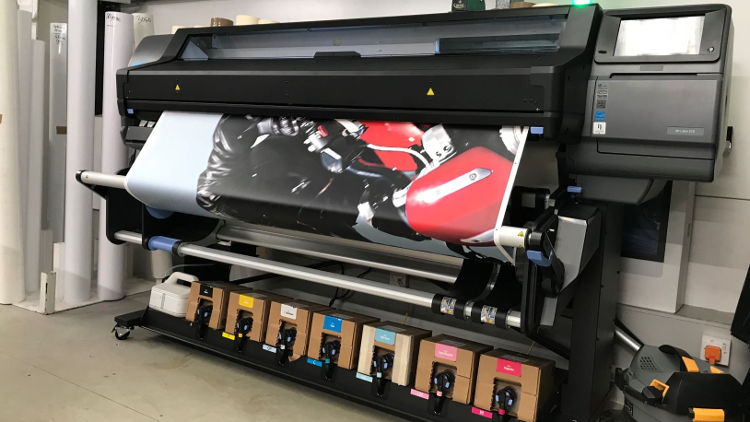
Even with the right equipment and preparation, printing on non-absorbent surfaces can present unique challenges. Here are some common issues and how to address them:
- Poor Adhesion: If the ink is peeling or scratching off, double-check your cleaning process and consider using a primer. Increasing curing temperature slightly may also help.
- Color Shifts: Non-porous substrates can reflect light differently, affecting perceived color. Use color management tools and profiles specific to your material.
- Banding or Smudging: Reduce ink density and slow the print speed. Ensure the substrate is flat and properly supported during printing.
- Warping or Melting: Lower the curing temperature and use substrates rated for the heat levels required by latex inks.
For a deeper dive into the science and advantages of this technology, you can read this comprehensive explanation of latex printing.
Expanding Your Print Capabilities
Mastering latex ink printing on non-absorbent materials allows you to offer a broader range of products, from custom signage and promotional displays to packaging prototypes and decorative panels. By following the preparation, equipment, and process guidelines outlined above, you can consistently deliver high-quality, durable prints that meet the demands of modern clients.
If you’re interested in other advanced printing techniques, consider exploring topics such as what is holographic lamination or what is electron beam curing in printing for even more ways to differentiate your offerings.
Frequently Asked Questions
What types of non-porous materials can be printed with latex ink?
Latex ink is suitable for a wide variety of non-absorbent substrates, including glass, metals (such as aluminum and steel), acrylics, polycarbonate, PVC, and coated papers. Always check the substrate’s compatibility with latex ink and perform a test print before full production.
How do I ensure strong adhesion of latex ink on slick surfaces?
Proper surface cleaning is essential. Use lint-free cloths and isopropyl alcohol to remove contaminants. For some plastics and metals, applying a primer or adhesion promoter can further improve ink bonding. Adjusting curing temperature and ink density also helps.
Is latex ink printing environmentally friendly?
Yes, latex inks are water-based and emit low levels of VOCs, making them a safer and more sustainable choice compared to solvent-based inks. They are often certified for indoor use and are suitable for applications where environmental considerations are important.




