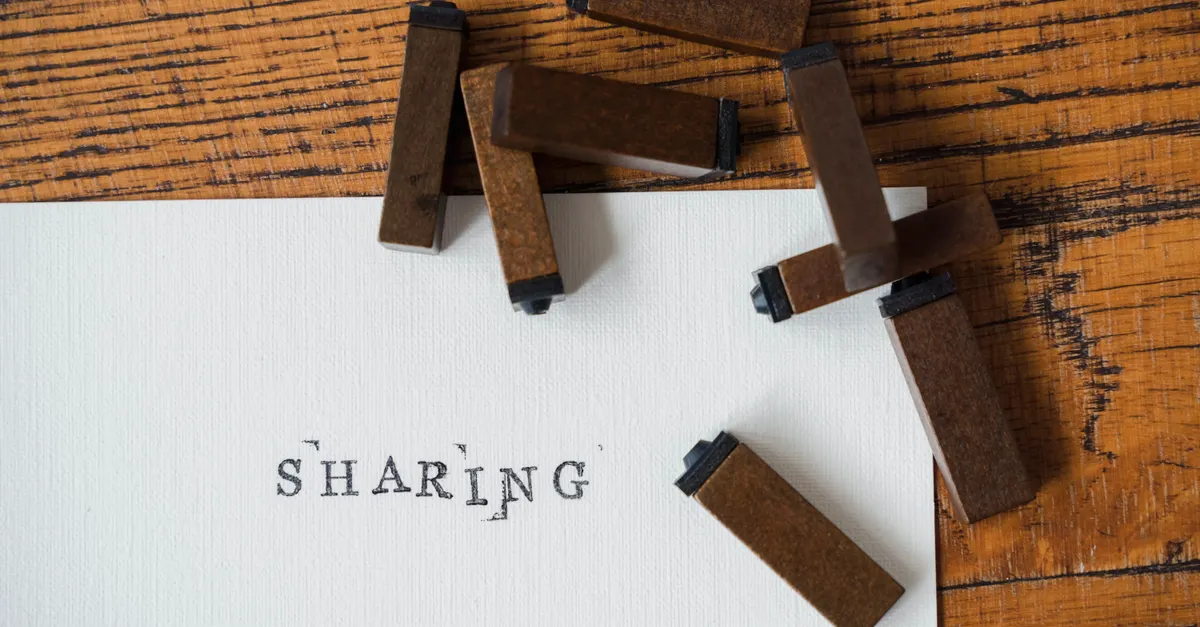

Letterpress printing is a centuries-old craft that has experienced a revival among artists, designers, and print enthusiasts. At its core, this process uses a raised, inked surface to transfer designs onto paper, creating tactile impressions that digital methods cannot replicate. Whether you’re interested in traditional techniques or modern adaptations, understanding the essential letterpress printing equipment is the first step toward producing beautiful, professional-quality prints. This guide covers the main types of presses, crucial tools, and practical considerations for anyone looking to set up their own letterpress workspace.

Understanding the Basics of Letterpress Printing
Letterpress is a form of relief printing, where ink is applied to a raised surface and then pressed onto paper. According to the School of Visual Arts, this method involves a printing press and an inked, raised plate or type. Historically, movable type was set by hand, but today, both traditional and modern materials—such as photopolymer plates—are used to create designs. This blend of old and new allows for a wide range of creative possibilities, from classic invitations to contemporary art prints.
Core Equipment Needed for Letterpress Printing
Setting up for letterpress requires several key pieces of equipment. Each plays a unique role in the process, from preparing the design to making the final impression.
- Printing Press: The central piece of any letterpress setup. Options range from compact tabletop models to large floor-standing machines.
- Movable Type or Plates: Traditional letterpress uses metal or wooden type, but modern printers often use photopolymer plates. These plates are made from light-sensitive plastic and allow for custom designs, making them popular for contemporary work.
- Chase: A metal frame that holds the type or plate in place during printing.
- Composing Stick: A handheld tool used to assemble lines of type before locking them into the chase.
- Inking System: Includes rollers (brayers) and ink, which are used to apply a thin, even layer of color to the raised surface.
- Paper: Letterpress works best with thick, soft papers that can capture the impression of the press.
- Registration Tools: Devices or guides that help align the paper for consistent results.
Modern advancements, such as photopolymer plate kits, have expanded the creative potential of letterpress, allowing printers to easily produce custom graphics and text.
Comparing Types of Letterpress Machines
Choosing the right press is one of the most important decisions for any printer. There are several main types of letterpress machines, each with its own strengths and limitations. Below is a detailed comparison to help you decide which might suit your needs.
Platen Press
The platen press is a classic design where a flat plate (the platen) presses the paper against the inked form. These presses come in both tabletop and floor-standing versions.
Pros:
- Compact models are suitable for small spaces.
- Efficient for short to medium print runs.
- Good for invitations, cards, and small-format work.
Cons:
- Limited print area compared to larger presses.
- Manual operation can be physically demanding for large runs.
Flatbed Press
A flatbed press features a flat surface that holds the type or plate, while a cylinder or roller moves across it to make the impression. This design is often used for larger prints and posters.
Pros:
- Handles larger paper sizes and print areas.
- Consistent pressure, ideal for detailed work.
Cons:
- Requires more space than a platen press.
- Heavier and less portable.
Tabletop Platen Press
A subset of the platen press, the tabletop version is popular among hobbyists and small studios. It offers a balance between functionality and space-saving design.
Pros:
- Portable and easy to store.
- Affordable entry point for beginners.
Cons:
- Limited to small print sizes.
- May require more frequent adjustments for even printing.
For a deeper dive into how these machines compare to other printmaking methods, you might find the discussion of letterpress vs lithography helpful, especially if you’re weighing different print technologies.
Essential Tools and Materials for Letterpress Printing
Beyond the main press, several additional tools and materials are required to ensure smooth operation and high-quality results.
- Movable Type: Individual letters and characters, traditionally made from metal or wood, used to compose text.
- Chase: The frame that holds type or plates securely in the press.
- Ink: Specially formulated letterpress ink is needed for crisp, clean impressions.
- Rollers/Brayers: Used to evenly distribute ink across the type or plate.
- Paper: Choose thick, soft paper designed for letterpress to achieve the signature debossed effect.
- Cleaning Supplies: Solvents, rags, and brushes are necessary to keep equipment in good working order.
- Gauge Pins and Registration Guides: Help align paper for multi-color or multi-pass printing.
Each tool plays a specific role in the process. For example, the composing stick is essential for setting type by hand, while a roller brayer ensures even ink coverage. Proper materials and tools not only improve print quality but also make the workflow more efficient and enjoyable.
Where to Find Letterpress Printing Equipment
Sourcing letterpress printing equipment can be a challenge, especially for those new to the craft. Here are some practical tips for finding what you need:
- Specialty Retailers: Many online shops and brick-and-mortar stores specialize in printmaking supplies, offering everything from presses to letterpress paper.
- Used Equipment Marketplaces: Vintage presses and tools are often available through auction sites, classified ads, and printmaking forums.
- Printmaking Organizations: Local art centers and print studios sometimes sell surplus equipment or can connect you with sellers.
- Workshops and Classes: Participating in a letterpress workshop can provide hands-on experience and access to supplier recommendations.
When purchasing, consider the condition of used equipment, the availability of replacement parts, and the support offered by the seller. It’s wise to start with a tabletop letterpress press if you’re new to the craft, as these are more affordable and easier to maintain.
Cost Considerations for Letterpress Equipment
The cost of setting up a letterpress studio can vary widely. Entry-level tabletop presses are generally the most affordable, while larger floor-standing models and flatbed presses command higher prices. Additional expenses include movable type, photopolymer plates, ink, paper, and maintenance supplies.
- Tabletop Press: Lower upfront cost, ideal for beginners and small projects.
- Floor-Standing Platen or Flatbed Press: Higher investment, suited for larger print runs and professional studios.
- Consumables: Ongoing costs for ink, paper, and cleaning supplies.
It’s important to budget not just for the press itself, but also for the essential accessories and materials that make high-quality printing possible.

Conclusion: Getting Started with Letterpress Printing
Building a successful letterpress practice starts with understanding the core equipment and how each piece contributes to the process. From choosing the right press to gathering the necessary tools and materials, careful planning will help you achieve the best results. As you gain experience, you may want to explore different letterpress printing projects to expand your skills and creativity. Whether you are drawn to the tactile beauty of traditional type or the flexibility of modern plates, investing in quality equipment is the foundation for producing memorable, professional-grade prints.
Frequently Asked Questions
What are the most important pieces of equipment for letterpress printing?
The essentials include a printing press (such as a platen or flatbed press), movable type or photopolymer plates, a chase, composing stick, inking system, and suitable paper. Additional tools like rollers, registration guides, and cleaning supplies are also necessary for consistent, high-quality results.
How do I choose between different types of letterpress machines?
Consider your available space, budget, and intended projects. Tabletop platen presses are compact and affordable, making them ideal for beginners or small studios. Flatbed presses offer a larger print area and more consistent pressure, but require more space and investment. Evaluate the pros and cons of each based on your needs.
Where can I buy letterpress equipment and supplies?
You can find letterpress printing equipment through specialty printmaking retailers, online marketplaces for used gear, and local art organizations. Attending workshops or joining printmaking communities can also connect you with reputable sellers and valuable advice.